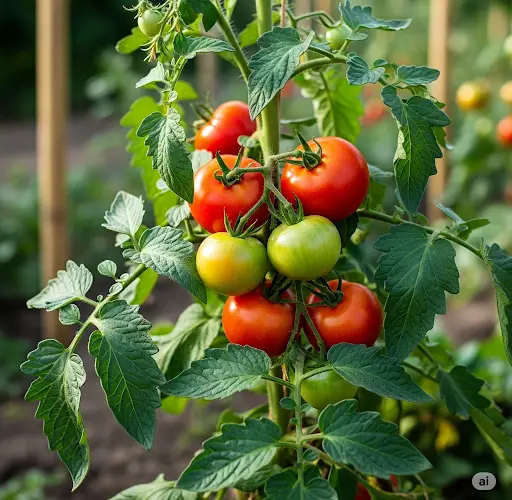
Tomato plants are among the most rewarding crops to grow at home. Whether you’re cultivating them in pots, raised beds, or open soil, tomatoes are heavy feeders and require a steady supply of nutrients to thrive. One of the best ways to support healthy growth and high yields is by using liquid organic fertilizer—especially one made at home using natural ingredients.
Homemade liquid fertilizer is not only cost-effective but also eco-friendly. It provides essential nutrients in a form that tomato plants can quickly absorb through their roots or leaves. With the right blend, you can ensure your plants grow vigorously, produce plenty of blossoms, and yield juicy, flavorful fruit.
In this guide, we’ll explore how to create a super strong liquid organic fertilizer for tomato plants using ingredients that are readily available, affordable, and highly effective.
Why Choose Liquid Organic Fertilizer?
Unlike granular or slow-release fertilizers, liquid fertilizers work faster. The nutrients are dissolved in water, making them easily accessible for plant roots and even usable as a foliar spray. Organic liquid fertilizers also support microbial activity in the soil, improve soil structure, and enhance overall plant health.
Benefits include:
-
Fast nutrient absorption
-
Improved fruiting and flowering
-
Strengthened root systems
-
Better resistance to pests and diseases
Key Nutrients Tomatoes Need
Before mixing your fertilizer, it’s important to understand what nutrients tomatoes require most:
-
Nitrogen (N): Promotes leafy growth, especially in early stages.
-
Phosphorus (P): Vital for flowering, root development, and fruit production.
-
Potassium (K): Enhances fruit quality and overall plant vigor.
-
Calcium, magnesium, and trace elements also play key roles in preventing blossom end rot and other deficiencies.
The goal of your homemade fertilizer is to provide a balanced but strong dose of these nutrients using organic sources.
Ingredients for a Super Strong Liquid Organic Fertilizer
Here’s a powerful blend of ingredients that work well together:
1. Banana Peels
Rich in potassium and phosphorus, banana peels boost flowering and fruiting.
Use: 2–3 peels per batch
2. Used Coffee Grounds
Provides nitrogen and small amounts of phosphorus and potassium. It also supports microbial activity.
Use: 1–2 tablespoons
3. Crushed Eggshells
An excellent source of calcium, which is essential to prevent blossom end rot.
Use: Shells from 2–3 eggs, crushed or powdered
4. Molasses (or brown sugar)
Feeds beneficial microbes and enhances nutrient uptake.
Use: 1 tablespoon
5. Compost or Vermicompost Tea
Packed with beneficial bacteria and nutrients in liquid form.
Use: 1–2 cups of well-steeped compost tea
6. Garlic and Ginger (optional)
Used in small amounts, these can act as natural antifungal agents and stimulate root growth.
Use: 1 small clove of garlic and a thumb-sized piece of ginger, finely chopped
How to Prepare the Fertilizer
Step 1: Blend the solids
In a blender, combine banana peels, coffee grounds, garlic, ginger, and eggshells. Add a bit of water to help blend the mixture into a thick slurry.
Step 2: Combine with compost tea
Pour the blended slurry into a large container. Add the compost tea and stir well.
Step 3: Add molasses or brown sugar
Mix in the molasses to support microbial growth.
Step 4: Top up with water
Fill the container with water until you have about 2–3 liters of liquid. Mix thoroughly. Let it sit for 24–48 hours to allow the nutrients to infuse and beneficial microbes to multiply.
Application Instructions
Dilution: Before use, dilute the mixture with water at a 1:5 ratio (1 part fertilizer to 5 parts water). This prevents root burn and ensures gentle, even feeding.
When to Apply:
-
Early Growth Stage: Apply once a week to promote leafy development.
-
Pre-Flowering Stage: Switch to every 10 days to boost flowering.
-
Fruit Development Stage: Apply once every 7–10 days to support fruit production.
How to Apply:
-
Soil Drench: Pour around the base of each plant.
-
Foliar Spray (optional): Filter the solution well, then spray directly onto the leaves during early morning or late afternoon to avoid leaf burn.
Storage and Shelf Life
Store any leftover fertilizer in a sealed container in a cool, shaded place. Use within one week, as the organic materials will begin to break down and ferment. Shake or stir before each use.
Additional Tips for Success
-
Always water the plants lightly before applying fertilizer to avoid shocking the roots.
-
Avoid overfeeding—too much nitrogen can cause lush foliage at the expense of fruit.
-
Monitor your plants for signs of nutrient deficiency (yellow leaves, small fruits) and adjust application accordingly.
-
Rotate ingredients occasionally to provide a wider spectrum of nutrients.
Conclusion
Making your own super strong liquid organic fertilizer is not only easy and economical but also one of the best ways to keep your tomato plants thriving naturally. By using simple kitchen scraps and compost-based solutions, you’re not only nourishing your garden but also reducing waste and building healthier soil.
Try this recipe throughout your tomato-growing season and watch your plants respond with robust growth and a bountiful harvest.


