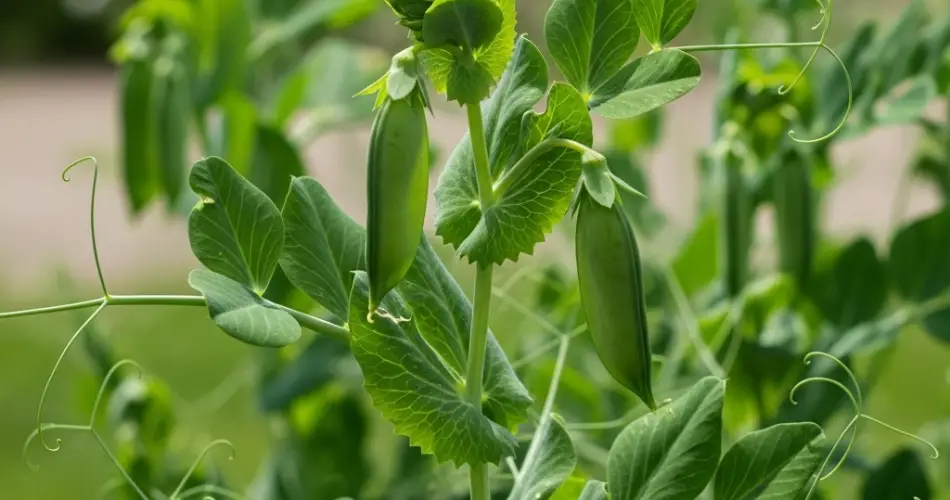
Peas are one of the most rewarding crops to grow in a home garden. Whether you’re cultivating snap peas, snow peas, or shelling peas, the key to enjoying their full sweetness and tender texture lies in harvesting them at just the right time. Pick them too early, and you’ll get underdeveloped pods; wait too long, and they may become starchy or tough. Knowing when and how to harvest peas properly ensures you get the freshest taste and maximum yield from your plants.
Here’s a complete guide to harvesting peas at their peak for the best flavor and texture.
1. Understand the Different Types of Peas
Before harvesting, it’s important to identify what type of pea you’re growing. Each variety has different maturity signs and flavor profiles:
-
Shelling peas (English peas): Grown for the sweet, round seeds inside the pods. The pods themselves are tough and not eaten.
-
Snap peas: Both the pods and peas inside are edible. These are harvested when the pods are plump but still crisp.
-
Snow peas: Grown primarily for their tender, flat pods. The peas inside are usually small and undeveloped when harvested.
Knowing your variety helps you time the harvest correctly for flavor and texture.
2. Check for Maturity Signs
The best time to harvest peas depends on the variety, but there are a few general indicators to watch for.
-
Shelling peas: Harvest when pods are bright green, plump, and rounded, but before they become dull or lumpy. The peas inside should fill the pod without causing it to bulge excessively.
-
Snap peas: Pick when the pods are crisp, bright green, and fully formed but not overly swollen. You should feel developed peas inside, but the pod should still snap when bent.
-
Snow peas: Harvest when pods are flat, tender, and about 2 to 3 inches long. The peas inside will be small, and the pod should be soft and edible.
Touch, sight, and feel are your best tools—check daily once the plants start producing.
3. Time Your Harvest Right
Peas taste best when harvested early in the morning. This is when sugar levels are highest, and the pods are the most crisp and hydrated.
-
Early morning harvests preserve the sweetness of peas, which can fade as the day heats up.
-
Harvest frequently—every 1 to 2 days—during peak production to encourage the plant to keep producing new pods.
-
Don’t wait too long, as mature pods quickly lose flavor and become starchy or woody.
4. Use the Proper Harvesting Technique
Harvesting peas gently is crucial to avoid damaging the plant or breaking tender stems.
-
Hold the vine with one hand to steady it.
-
Use the other hand to gently pull or pinch the pod off the stem.
-
Alternatively, use scissors or garden snips to cleanly cut the pods from the vine, especially if your plants are delicate.
Damaging the vines can reduce the plant’s productivity, so handle with care.
5. Store Peas Properly After Harvest
Peas are best when eaten fresh, but they can also be stored or preserved for later use.
Short-term storage:
-
Keep freshly harvested peas in the refrigerator.
-
Store them unwashed in a breathable bag or container to maintain moisture without causing rot.
-
Use within 2 to 3 days for optimal flavor and crispness.
Freezing for later:
-
Shell peas (for English peas) or trim snap/snow peas.
-
Blanch in boiling water for 1–2 minutes, then transfer to ice water.
-
Drain and freeze in airtight bags or containers.
This locks in their sweet flavor and allows for longer storage without significant loss of texture or taste.
6. Keep Your Plants Productive
Peas are more productive when picked regularly. If pods are left on the plant too long and begin to mature fully, the plant will slow down or stop producing altogether.
-
Continuous harvesting signals the plant to produce more pods.
-
Remove any yellowing or overripe pods to focus energy on new growth.
-
For bush varieties, harvest daily once pods appear; for climbing varieties, check every other day as they may produce over a longer period.
Regular care and harvesting result in a longer, more abundant harvest window.
7. Save Seeds from Overripe Pods (Optional)
If you want to save seeds for next season, allow a few pods to fully mature and dry on the plant. These pods will become brown, leathery, and brittle.
-
Once fully dry, remove the pods and extract the seeds.
-
Store in a cool, dry place in a paper envelope or jar.
-
Label them clearly with the variety and date.
Only save seeds from open-pollinated (non-hybrid) varieties for reliable results in the next season.
Conclusion
Harvesting peas at their peak ensures they’re sweet, tender, and bursting with fresh garden flavor. By identifying the right time to pick each variety, handling plants gently, and harvesting regularly, you’ll enjoy a longer season of crisp, delicious peas. Whether you eat them fresh, sauté them with butter, or freeze them for later, following these tips will help you make the most of your pea harvest.


