Salt is one of the most versatile ingredients found in every home. Beyond its traditional role in cooking and food preservation, it can also serve as a powerful natural cleaning agent—especially for maintaining the drains in your kitchen and bathroom. Few people realize that this simple, inexpensive product can help prevent the buildup of bacteria and even keep away unwanted pests like cockroaches.
The Hidden Problem in Your Drains
Drains in the kitchen sink and shower are some of the most neglected areas when it comes to household cleaning. Because they are constantly exposed to water, soap, grease, and organic waste, they become the perfect breeding ground for bacteria and insects. Among the most common invaders are cockroaches—highly resilient insects that thrive in dark, damp environments such as pipes and drains.
Cockroaches are not just unpleasant to see; they can carry and spread bacteria such as Salmonella and E. coli, contaminating surfaces and posing health risks to everyone in the home. Once they find their way into your pipes, they can multiply rapidly, making it difficult to get rid of them without strong intervention.
While many people turn to chemical drain cleaners or insecticides to address this issue, these products are not only toxic to humans and pets but also harmful to the environment. Fortunately, there’s a safer, more natural alternative—salt.
Why Salt Is So Effective
Salt, whether it’s common table salt or pink Himalayan salt, has powerful antibacterial and deodorizing properties. It can help clean and disinfect pipes, neutralize unpleasant odors, and reduce moisture—all of which make drains less hospitable to bacteria and insects.
In addition to being a natural disinfectant, salt is also mildly abrasive. This means that when it flows through your pipes, it can help scrub away grease, residue, and organic matter that might otherwise accumulate and cause blockages or bad smells.
Regular use of salt in your kitchen and bathroom drains can therefore prevent buildup, eliminate odors, and create an environment that discourages pest infestation—all without the need for harsh chemicals.
Cleaning and Maintaining Drains Naturally
To prevent the growth of bacteria and the presence of cockroaches, it’s essential to keep your drains clean on a regular basis. Focus especially on the kitchen, where food residues often get washed down the sink, and the bathroom, where moisture and hair can cause blockages and odors.
Here are some effective natural cleaning steps to follow:
-
Remove Surface Debris
Start by cleaning any visible residue or buildup from around the drain openings. In the kitchen, this may include bits of food; in the shower, it may be hair or soap scum. -
Use Hot Water and Dish Soap
Pour a generous amount of hot water mixed with dish soap down the drain. The heat helps dissolve grease, while the detergent breaks down oils and removes bacteria. This simple step already improves hygiene and reduces odors. -
Apply Salt for Deep Cleaning
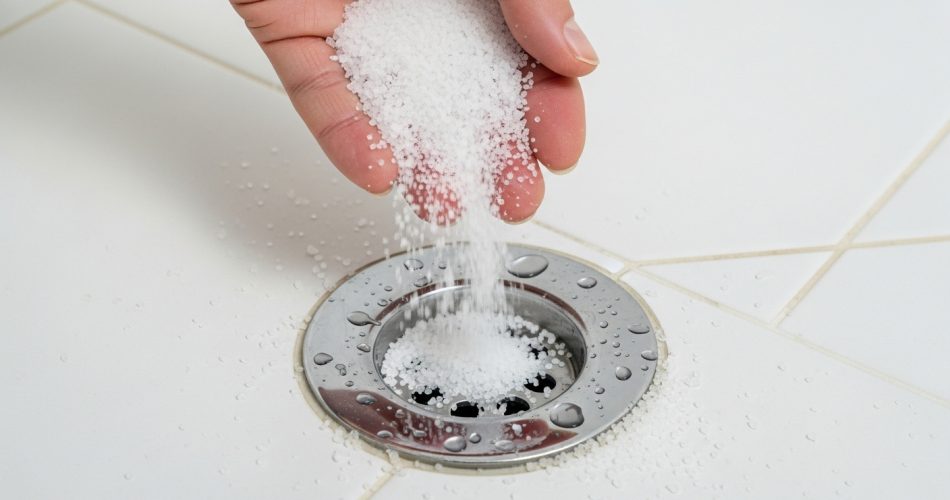
Sprinkle two tablespoons of salt directly into the drain. This can be regular table salt, coarse salt, or even pink Himalayan salt. The salt will act as a natural disinfectant and deodorizer, targeting bacteria that thrive inside the pipes. -
Add Boiling Water
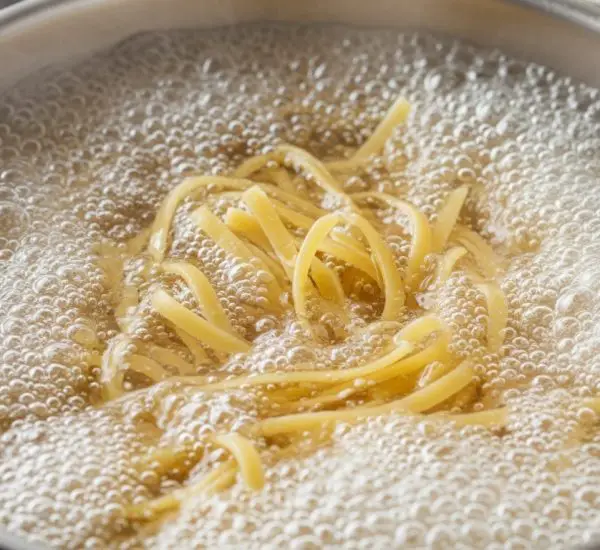
Immediately after the salt, pour a kettle of boiling water down the drain. The high temperature not only helps dissolve the salt and grease buildup but also kills any bacteria or insect eggs that might be clinging to the pipe walls. -
Finish with White Vinegar
To enhance the disinfecting effect, pour about half a cup of white vinegar down the drain after the hot water. The vinegar reacts with any remaining salt and residue, creating a gentle fizzing effect that further cleans and deodorizes the pipes.
This process can be repeated once a week or after preparing a particularly greasy meal, as fats and oils tend to stick to the inner surfaces of pipes, encouraging bacterial growth.
Precautions When Using Salt in Drains
Although salt is safe and natural, moderation is key. Using too much salt can lead to an accumulation of residue inside older or narrow pipes, which may eventually affect water flow. The recommended amount is around two tablespoons per cleaning session—no more is needed to achieve effective results.
When used correctly, salt poses no risk to your plumbing system or the environment. However, combining excessive amounts of salt with other harsh substances, such as strong chemical cleaners, should be avoided. Doing so can cause unwanted chemical reactions and potential pipe corrosion.
The Benefits of Using Salt Over Chemical Cleaners
Commercial drain cleaners often contain corrosive substances like sodium hydroxide or sulfuric acid. While effective at clearing clogs, they also release toxic fumes and can erode your pipes over time. Additionally, when flushed into the water system, these chemicals contribute to pollution and environmental damage.
By contrast, salt is entirely natural, biodegradable, and environmentally friendly. It offers a sustainable and cost-effective way to keep your home clean while minimizing exposure to harmful substances.
A Few Extra Tips for Cleaner, Safer Drains
-
Keep drains dry when possible. Moisture is the main attractant for bacteria and insects. After each use, pour a small amount of hot water to remove residues and then let the area dry completely.
-
Clean the drain covers regularly. Food particles and soap scum often accumulate here, providing the first point of attraction for pests.
-
Avoid pouring grease or oil into the sink. These substances solidify over time and can trap food particles, leading to bad smells and clogs.
-
Use salt and vinegar as a preventive treatment. Even if there’s no odor or clog, this simple routine helps maintain a clean and healthy drainage system.
The Natural Power of Salt
Salt is far more than a kitchen seasoning—it’s a powerful natural cleaner and disinfectant that can help you maintain hygiene in your home while protecting the environment. By sprinkling just a small amount of salt in your drains and following up with boiling water and vinegar, you can eliminate bacteria, neutralize odors, and prevent insects from taking over your pipes.
Next time you notice a foul smell coming from your sink or shower, reach for your salt container instead of a chemical cleaner. This simple, eco-friendly method is one of the most effective ways to keep your home fresh, hygienic, and pest-free—all with an ingredient you already have in your kitchen.