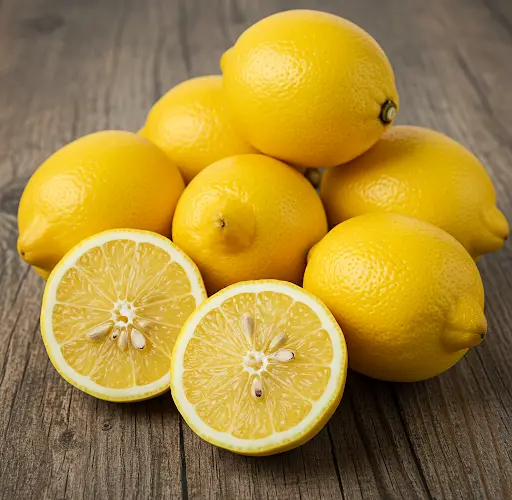
If you’ve been struggling to get your lemon tree to grow, bloom, or produce fruit, it might be due to improper care or lack of proper fertilization. In this article, I’ll show you an easy and effective way to fertilize your lemon tree to help it thrive and produce fruit throughout the year. By the end of this guide, you’ll be able to grow a healthy, beautiful lemon tree like the one in my garden.
Essential Fertilizers for Lemon Trees
To start, it’s important to understand the three key ingredients needed to properly fertilize a lemon tree. These fertilizers will provide the necessary nutrients to promote strong growth, healthy leaves, and an abundant harvest.
-
Chicken Manure: This is the first and most important fertilizer for lemon trees. Chicken manure is rich in nutrients that nourish the tree and help it grow healthy and strong. It’s especially great for promoting leaf growth. However, it’s important to use well-composted chicken manure, as fresh manure can burn the tree’s roots if applied directly.
-
Wood Ash: The second key ingredient is wood ash. Wood ash helps to support fruit retention and enhance the sweetness of the fruit. It also balances the soil’s pH, ensuring the tree gets the proper environment to thrive.
-
Compost or Organic Matter: The third ingredient is organic compost or other organic matter, which enriches the soil, improves its structure, and ensures the tree’s roots get the nutrients they need. This can be regular compost or even well-rotted animal manure.
How to Apply the Fertilizer
Now that you have your three essential fertilizers, it’s time to apply them to your lemon tree.
Step 1: Prepare the Soil
Start by loosening the soil around your lemon tree. Use a small shovel to gently loosen the top layer of soil in the pot or around the base of the tree. This will allow the fertilizers to mix in well and ensure they reach the tree’s roots.
Step 2: Apply Chicken Manure
Once the soil is prepared, take about 2 liters of well-composted chicken manure. Spread it evenly around the base of the tree, making sure to avoid direct contact with the roots, as it can be too strong. The manure should be spread in a wide circle around the tree, but keep it a little distance from the trunk to prevent root burn.
Step 3: Add Wood Ash
Next, sprinkle about 150 grams of wood ash around the base of the tree. Wood ash will help with flower and fruit retention, making your lemons sweeter and more flavorful. It also helps balance the soil, which is essential for healthy tree growth.
Step 4: Mix Everything Together
After adding the chicken manure and wood ash, mix everything together gently with the soil. Make sure it’s well mixed so the tree can absorb the nutrients efficiently.
Step 5: Water the Tree
Water the tree thoroughly to help the nutrients seep into the soil and be absorbed by the roots. It’s important to water deeply to ensure the soil is fully saturated. Watering helps activate the fertilizers and promotes their uptake.
When to Reapply the Fertilizer
You should repeat this fertilization process every two months. This regular application will keep your lemon tree healthy, strong, and producing fruit year-round. Be mindful to only apply this amount of fertilizer if your tree is in a pot of 25 liters or larger. If your tree is in a smaller pot, reduce the amount of fertilizer to avoid overfeeding the tree.
Extra Tips for Healthy Lemon Trees
-
Pruning: It’s also important to prune your lemon tree regularly. Cut away any dead or unnecessary branches, particularly those growing inward. This helps the tree maintain a good shape, promotes airflow, and encourages better fruit production.
-
Sunlight: Lemon trees need plenty of sunlight to grow and produce fruit. Make sure your tree is placed in a spot that receives at least 6 hours of sunlight each day. If your tree is indoors, try placing it near a south-facing window or use a grow light.
-
Watering: While lemon trees need a lot of water, they don’t like to sit in soggy soil. Make sure your pot has good drainage and water only when the soil feels dry to the touch. Over-watering can lead to root rot and other issues.
Conclusion
By using this simple, three-step fertilization process, your lemon tree will have all the nutrients it needs to grow strong and produce an abundant crop of delicious, sweet lemons. Remember to prune regularly, provide plenty of sunlight, and water appropriately to keep your tree healthy and productive. With these tips, you can enjoy fresh lemons all year round!


