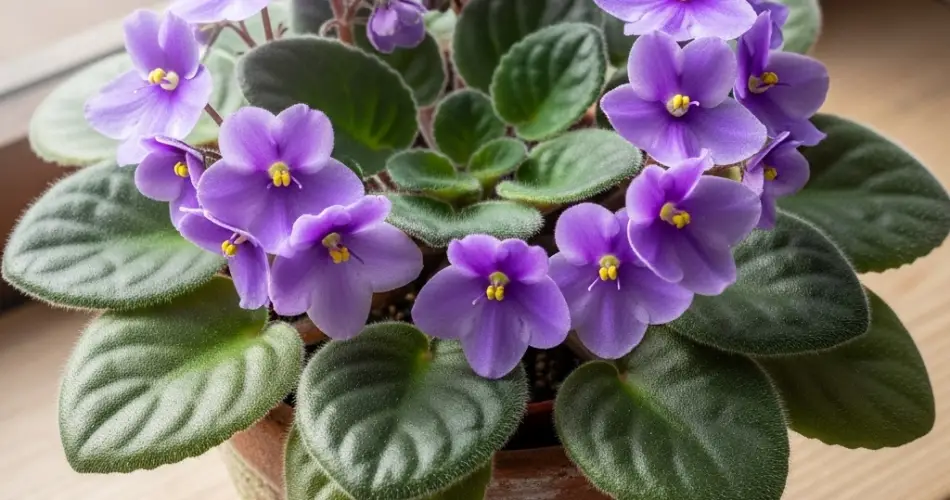
African violets (Saintpaulia species) are cherished houseplants, prized for their compact size, soft fuzzy leaves, and vibrant, long-lasting blooms. While they are generally easy to grow, these plants thrive best when they receive proper care tailored to their unique needs, particularly regarding watering and feeding. Incorrect watering or nutrient management can quickly lead to drooping leaves, yellowing, or poor flowering.
This guide offers detailed advice on watering and fertilizing African violets to promote healthy growth and abundant blooms year-round.
Understanding African Violet Needs
African violets are native to the tropical regions of East Africa, where they grow in filtered light under the canopy of larger plants. In their natural habitat, they receive consistent moisture but never sit in soggy soil, and they benefit from nutrient-rich organic matter. Replicating these conditions indoors requires attention to water, soil, and feeding practices.
Watering Techniques for Healthy Growth
Use the Right Water
African violets are sensitive to water quality. Tap water that contains high levels of chlorine, fluoride, or salts can damage leaves and hinder blooming. Using distilled, rainwater, or filtered water is ideal. Avoid using water that is too cold; lukewarm water helps prevent shocking the roots.
Bottom Watering vs. Top Watering
These plants have delicate leaves that can be easily damaged by water splashes, which may lead to spotting or rot. Bottom watering is the preferred method:
-
Place the pot in a shallow tray of water.
-
Allow the soil to absorb water through the drainage holes.
-
Remove the pot once the top of the soil feels moist.
If top watering is necessary, pour gently around the base of the plant and avoid splashing the leaves.
Maintain Consistent Moisture
African violets like soil that is evenly moist but not waterlogged. Overwatering is the leading cause of root rot, while underwatering leads to drooping leaves and poor flowering. Stick to a schedule of checking the soil with your finger: if the top layer feels dry, it’s time to water.
Pot and Soil Considerations
Proper soil and containers enhance watering efficiency. Use well-draining, lightweight soil, often labeled as African violet potting mix, which retains some moisture without becoming soggy. Pots with drainage holes are essential to prevent water accumulation.
Feeding African Violets
Regular feeding is key to promoting lush foliage and vibrant blooms. African violets require a steady supply of nutrients, particularly nitrogen for leaves, phosphorus for flowers, and potassium for overall health.
Choosing Fertilizers
Use a balanced, water-soluble fertilizer designed for African violets, typically in ratios such as 14-12-14. Fertilizers labeled specifically for African violets often contain the correct micronutrients to prevent deficiencies.
Frequency and Dilution
Feed your African violets every 4–6 weeks during the growing season. Always dilute fertilizer to half the recommended strength to avoid overfeeding, which can cause leaf burn or stunted growth. Fertilizing too often or with a concentrated solution can disrupt the plant’s natural development.
Seasonal Adjustments
During winter, African violets grow more slowly and require less fertilizer. Reducing feeding in colder months helps prevent nutrient buildup and encourages a natural growth cycle. Resume regular fertilization in spring and summer when new leaves and flowers emerge.
Signs of Improper Watering or Feeding
-
Yellow leaves: Often a sign of overwatering or nutrient deficiency.
-
Leaf spots: Caused by water on the leaves or excessive fertilizer.
-
Poor blooming: Indicates insufficient light, improper fertilization, or inconsistent watering.
-
Drooping leaves: Typically a symptom of underwatering or root stress.
Addressing these issues promptly—adjusting water, light, and fertilizer—can restore the plant’s health.
Additional Tips for Optimal Care
-
Humidity: African violets prefer humidity around 50–60%. If your indoor air is dry, use a humidity tray or room humidifier.
-
Light: Provide bright, indirect light to encourage blooms. Avoid direct sun, which can scorch leaves.
-
Leaf Cleaning: Dust can reduce photosynthesis. Wipe leaves gently with a soft, damp cloth.
Final Thoughts
Watering and feeding African violets correctly is crucial to maintaining their vibrant appearance and encouraging continuous flowering. By using clean, lukewarm water, watering consistently without overdoing it, and supplying balanced, diluted fertilizer, you can enjoy lush foliage and colorful blooms all year. With attention to soil, pot choice, and environmental conditions, these charming plants will thrive, making them a rewarding addition to any indoor garden.


