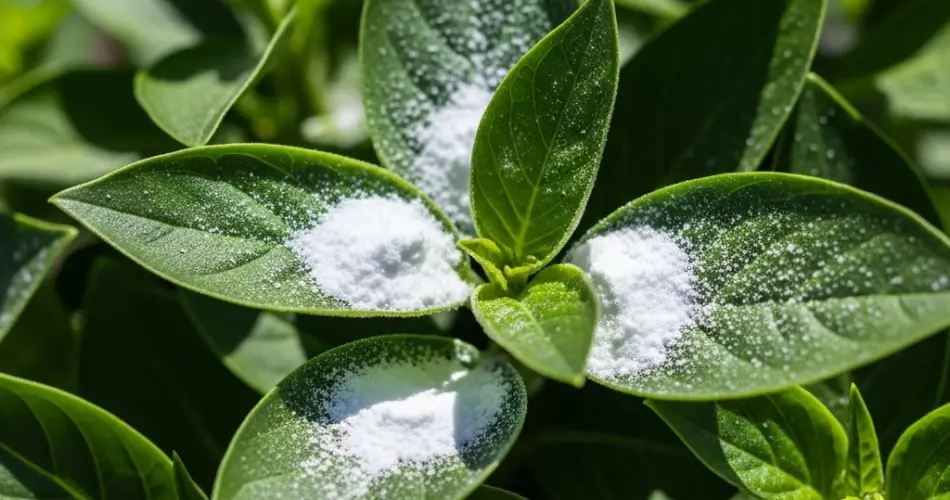
Baking soda, also known as sodium bicarbonate, is a versatile household item that extends its usefulness well beyond the kitchen. In the garden, baking soda can serve as a natural solution for several plant care issues—from fighting fungal diseases to deterring pests. However, it’s important to apply it correctly to avoid harming your plants. When used in the right way and in moderation, baking soda can promote plant health and reduce the need for synthetic chemicals.
This guide explains the safe and effective ways to use baking soda on plants to maximize its benefits without causing damage.
1. Fungus Control
One of the most common uses of baking soda in gardening is as a natural fungicide. It helps prevent the growth of powdery mildew, black spot, and other fungal infections that can damage leaves and reduce productivity.
How to make a baking soda antifungal spray:
-
1 tablespoon of baking soda
-
1 liter (about 4 cups) of water
-
Optional: 1 teaspoon of liquid dish soap (to help the solution stick to leaves)
-
Optional: 1 tablespoon of vegetable oil (to increase effectiveness against pests and fungi)
Instructions:
Mix all ingredients and pour into a spray bottle. Shake well before use. Spray the solution on affected plants every 7–10 days, focusing on the tops and undersides of leaves. Use early in the morning or late afternoon to avoid sunburn on leaves.
Effective for: Cucumbers, squash, roses, tomatoes, and grapes.
2. Pest Deterrent
While baking soda isn’t a strong pesticide, it can help deter certain pests like ants, aphids, and caterpillars when used as part of a garden spray. When combined with ingredients like soap and oil, it becomes more effective at discouraging pests from feeding on your plants.
DIY pest deterrent spray:
-
1 tablespoon baking soda
-
1 teaspoon neem oil or vegetable oil
-
1 teaspoon mild liquid soap
-
1 liter of water
Spray this mixture around the base of plants or directly onto leaves to discourage pests. Avoid spraying during the heat of the day, and always test a small area first.
3. Weed Control
Baking soda can be used to suppress weed growth in hard-to-reach or unwanted areas like cracks in sidewalks or driveways. It desiccates small, young weeds by drawing out moisture, making it a safer alternative to chemical herbicides in limited spaces.
How to apply:
-
Sprinkle dry baking soda directly onto weeds growing between patio stones or cracks.
-
Avoid using in garden beds, as high concentrations can harm surrounding plants.
Use caution—baking soda affects the soil’s pH and can be toxic to nearby beneficial plants if overused.
4. Sweetening Tomatoes
Some gardeners use baking soda to reduce soil acidity and enhance the flavor of tomatoes. Slightly alkaline soil may lead to sweeter tomatoes, though the results can vary depending on other soil conditions.
How to use:
-
Lightly sprinkle baking soda around the base of tomato plants (not on the leaves) once or twice during the growing season.
-
Water the area afterward to help the soda absorb into the soil.
Be conservative—too much can disrupt the soil balance and affect microbial life. A soil pH test is recommended before use.
5. Cleaning Garden Tools and Pots
Baking soda is a natural abrasive and deodorizer, making it ideal for cleaning tools, pots, and containers without the use of harsh chemicals.
How to clean with baking soda:
-
Mix baking soda with water to create a paste.
-
Use a sponge or brush to scrub tools or containers, then rinse thoroughly.
This helps prevent the spread of disease and maintains the condition of your gardening equipment.
Safety Tips for Using Baking Soda in the Garden
-
Avoid overuse: Baking soda is mildly alkaline and can alter soil pH if applied excessively.
-
Do not apply on hot, sunny days: Baking soda can cause leaf burn in high temperatures or intense sunlight.
-
Test before full application: Spray a small portion of the plant first and wait 24 hours to check for any adverse effects.
-
Use fresh mixtures: Baking soda solutions lose their effectiveness over time. Mix only what you need for each application.
-
Keep it away from young seedlings: Tender plants may be more sensitive to changes in soil or foliar treatments.
Final Thoughts
When used properly, baking soda can be an effective, inexpensive, and eco-friendly addition to your gardening routine. It helps control fungal diseases, deters certain pests, and even offers mild soil improvement benefits in select applications. The key is moderation and targeted use. By understanding how and when to apply baking soda, you can protect your plants naturally while maintaining soil health and plant vitality. With a little care, this common kitchen ingredient can become a trusted tool in your home garden.


