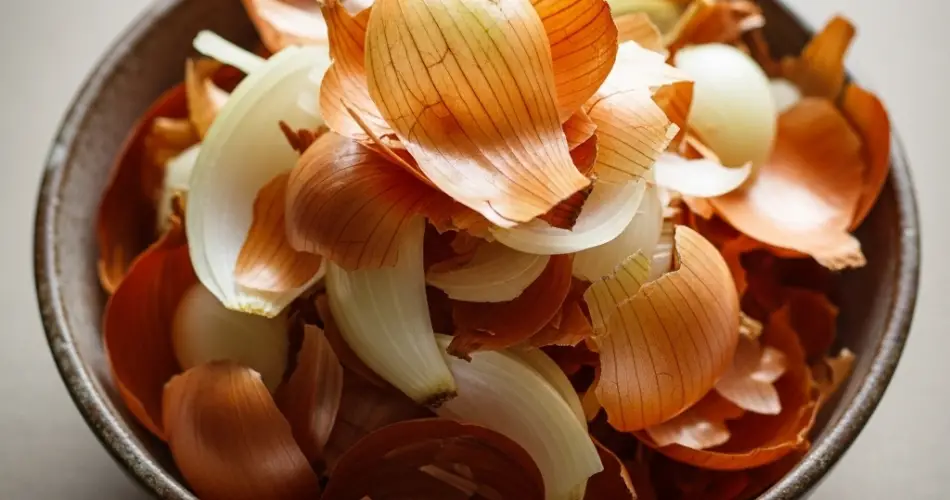
Most people discard onion peels without a second thought, but in the garden, they’re a hidden treasure. Rich in nutrients and full of beneficial compounds, onion skins can be transformed into powerful organic plant food. Whether used as mulch, compost material, or fertilizer tea, these humble kitchen scraps can boost plant health, improve soil quality, and reduce waste—all without costing a dime.
Here’s how onion peels can benefit your garden and how to use them effectively.
Why Onion Peels Are Good for Plants
Onion peels contain essential nutrients that plants love, including:
-
Potassium – Strengthens stems and roots, supports flowering and fruiting.
-
Calcium – Promotes strong cell walls, preventing diseases like blossom end rot.
-
Iron and Magnesium – Vital for chlorophyll production and photosynthesis.
-
Sulfur compounds – Offer natural antibacterial and antifungal properties.
These nutrients contribute to vigorous plant growth, stronger immunity, and healthier yields, especially when used regularly as part of an organic feeding routine.
Benefits of Using Onion Peels in the Garden
-
Improves Soil Fertility
As onion peels decompose, they enrich the soil with minerals and trace elements. Their organic matter improves soil texture and encourages beneficial microbial activity, creating a healthier environment for roots. -
Boosts Plant Immunity
Thanks to their sulfur content, onion peels act as a natural defense booster. Regular use can help plants resist pests and diseases, reducing the need for chemical treatments. -
Repels Harmful Insects
The strong smell of onion peels deters pests such as aphids, spider mites, and fungus gnats. While not a complete insect repellent, onion peels can help discourage infestations when used in combination with good garden hygiene. -
Zero-Waste Fertilizer
Instead of tossing onion skins in the trash, you can put them to work in your garden. This not only reduces kitchen waste but also provides a cost-free fertilizer option.
How to Use Onion Peels in the Garden
There are several simple, effective ways to incorporate onion skins into your gardening routine:
1. Onion Peel Fertilizer Tea
This liquid fertilizer is an easy and efficient way to feed your plants with the nutrients found in onion skins.
How to make it:
-
Collect a handful of dry onion peels (red, yellow, or white).
-
Place them in a container and add about 1 liter (4 cups) of water.
-
Let it steep for 24 to 48 hours at room temperature.
-
Strain the liquid and use it to water the base of your plants.
How to use:
-
Apply once every 1–2 weeks during the growing season.
-
Suitable for vegetables, herbs, houseplants, and flowering plants.
This onion peel tea provides a gentle, nutrient-rich boost that supports strong roots and leafy growth.
2. Mulching with Onion Skins
Use dry onion peels as mulch around the base of your plants. They help retain moisture, regulate soil temperature, and gradually break down to feed the soil.
Tips:
-
Shred the peels slightly before applying to prevent wind scatter.
-
Use them in combination with other organic mulches like dried leaves or grass clippings for best results.
Avoid placing them directly against stems to prevent rot.
3. Add to Compost Piles
Onion peels break down well in compost and add valuable nutrients to your finished compost mix.
What to remember:
-
Add onion peels in moderation along with other green (nitrogen-rich) and brown (carbon-rich) materials.
-
Balance with dry materials like paper or straw to avoid strong odors.
Composted onion peels enrich your soil with potassium, sulfur, and other micronutrients.
4. Sprinkling in Potting Mix
Dried and crushed onion peels can be sprinkled into the soil or potting mix before planting. They slowly release nutrients and improve microbial activity in the root zone.
Use this method especially when transplanting seedlings or repotting indoor plants.
What Plants Benefit Most?
Onion peel fertilizer works well for many plants, but it’s especially useful for:
-
Leafy greens like spinach, lettuce, and kale
-
Root vegetables such as carrots, beets, and radishes
-
Tomatoes and peppers, which need potassium and calcium for fruiting
-
Indoor plants like pothos and spider plants
Avoid using onion peels near alliums (onions, garlic, leeks), as they can compete for similar nutrients and soil conditions.
Precautions and Tips
-
Don’t overuse: Onion peels are best used as part of a balanced feeding routine.
-
Avoid using spoiled onion bulbs: Moldy or rotten onions can introduce pathogens to the soil.
-
Strain well when using fertilizer tea to avoid clogging watering cans or spray bottles.
Final Thoughts
Onion peels are a natural, accessible, and effective way to nourish your garden. With their impressive nutrient profile and ability to enhance soil and plant health, they deserve a spot in every organic gardener’s toolkit. Whether brewed into tea, used as mulch, or composted, onion skins offer a sustainable solution to feeding your plants—while cutting down on kitchen waste.
Next time you peel an onion, think twice before throwing the skins away. Your garden will thank you for it.


