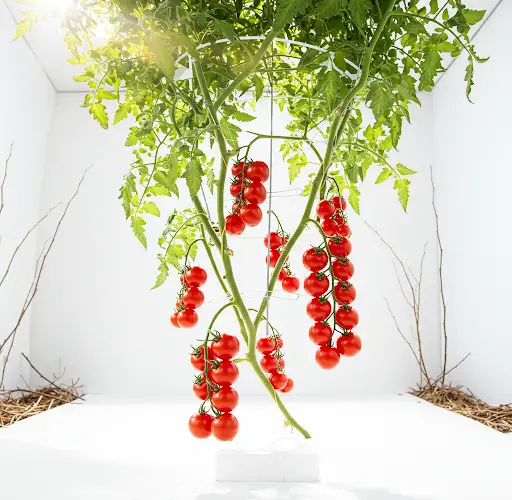
The Method of Growing Tomatoes Upside Down: A Bountiful Harvest
Growing tomatoes is a rewarding experience, but it can also require a significant amount of space, especially for traditional methods that involve growing them in the ground or in large containers. If you’re limited on space or want to try something new, growing tomatoes upside down can be an excellent solution. This method not only saves space but also allows for a high yield of fruit, as the plants have better air circulation and fewer pests. In this article, we will walk you through the benefits and step-by-step process of growing tomatoes upside down for a bountiful harvest.
Why Grow Tomatoes Upside Down?
Growing tomatoes upside down involves suspending the plant by its roots, allowing the fruit to hang beneath the container. This method has several advantages:
-
Space-Saving: Ideal for small spaces like balconies, patios, or even indoors, upside-down gardening maximizes vertical space.
-
Reduced Pest Problems: The fruits and foliage are elevated, reducing the risk of pests such as slugs, snails, and soil-borne diseases that typically affect ground-level plants.
-
Better Air Circulation: The plants benefit from increased airflow, which helps reduce the likelihood of fungal diseases and promotes healthy growth.
-
Improved Fruit Production: The inverted position allows the plant to focus more energy on producing fruit rather than growing excess foliage, leading to better yields.
Materials Needed
To start growing tomatoes upside down, you’ll need a few materials:
-
A large container (such as a bucket, hanging basket, or planter)
-
Tomato seedlings or small plants
-
A drill (if your container doesn’t already have drainage holes)
-
Strong twine or rope (for hanging the container)
-
Potting soil (a well-draining mix)
-
Fertilizer (preferably organic or slow-release)
-
Watering can (for regular watering)
Step-by-Step Guide to Growing Tomatoes Upside Down
1. Choose the Right Container
The container you use plays a crucial role in the success of growing tomatoes upside down. It needs to be large enough to accommodate the tomato plant’s root system. A typical container should be at least 12-16 inches in diameter and deep enough to hold a good amount of soil for proper root development. You can use a bucket, large hanging basket, or any sturdy container that has a drainage hole at the bottom.
2. Prepare the Container
Before planting your tomatoes, make sure the container has adequate drainage. If the container does not have a hole in the bottom, use a drill to make one. Proper drainage is essential for preventing root rot and allowing excess water to escape. You can also add a layer of rocks or gravel at the bottom to further improve drainage.
3. Create a Hole for the Tomato Seedling
Once your container is ready, you’ll need to create a hole at the bottom of the container, where the tomato plant’s stem will grow through. The hole should be large enough to comfortably fit the stem of the tomato seedling but small enough to hold it securely in place. You can use a sharp knife or scissors to cut the hole, making sure it is slightly smaller than the base of the plant to prevent the soil from spilling out when it’s hung upside down.
4. Prepare the Tomato Seedling
Choose a tomato seedling that is about 6-8 inches tall with a healthy root system. If you are starting from seed, allow the seedlings to grow to a suitable height before transplanting them into the container. Gently remove the seedling from its original pot, being careful not to damage the roots.
5. Plant the Tomato Seedling
Carefully insert the seedling into the hole at the bottom of the container, ensuring the stem passes through and the roots are inside the container. If necessary, add some soil around the base to secure the plant. Be sure to pack the soil gently but firmly, ensuring the plant is stable.
Once the seedling is in place, fill the rest of the container with potting soil. Ensure the soil is well-draining, as tomatoes do not thrive in soggy conditions. You may want to use a mix specifically designed for container plants or vegetables.
6. Hang the Container
Now that the plant is securely in the container, it’s time to hang it. Choose a sturdy location that receives full sunlight for at least 6-8 hours per day. This could be a hook on a balcony, a strong tree branch, or a specially designed hanger. Use a strong twine or rope to suspend the container. The height should allow the plant to dangle freely, with enough room for the tomatoes to grow without obstruction.
7. Watering and Fertilizing
Tomatoes grown upside down still need regular watering. The container will dry out faster than ground-grown plants, so be sure to check the soil regularly. Water the plant deeply but avoid overwatering, as this can lead to root rot. The soil should be moist but not waterlogged.
Fertilize your tomatoes regularly, as container-grown plants require more nutrients than those grown in the ground. Use a balanced, slow-release fertilizer or liquid fertilizer to encourage healthy growth and fruit production. Be sure to follow the instructions on the fertilizer packaging to avoid overfeeding.
8. Pruning and Supporting the Plant
As your tomato plant grows, you may need to prune it to remove any dead leaves or stems. This will help the plant focus its energy on producing fruit. You can also provide support to the plant by tying it to the container or using a small stake to help the plant stay upright as it grows.
9. Harvesting the Tomatoes
With proper care, your upside-down tomatoes should begin to produce fruit in about 50-70 days, depending on the variety. Tomatoes will ripen at different times, so be sure to check the plant regularly. Once the tomatoes are fully ripe, gently twist them off the vine or use garden shears to cut them. Be careful not to damage the plant when harvesting.
Benefits of Growing Tomatoes Upside Down
-
Space-saving: The upside-down method is perfect for those with limited garden space, such as apartment dwellers or people with small balconies.
-
Reduced risk of pests: Growing tomatoes off the ground reduces the chance of pests like slugs and snails affecting your plants.
-
Improved fruit yield: The method encourages more fruit production by allowing the plant to focus on its fruit rather than excessive foliage.
Conclusion
Growing tomatoes upside down is a simple yet effective method to maximize your harvest while saving space. This technique not only allows you to grow tomatoes in small areas but also offers benefits such as reduced pest problems and better air circulation. By following the steps outlined in this guide, you can enjoy a bountiful crop of homegrown tomatoes that are as delicious as they are easy to grow. Whether you’re an experienced gardener or a beginner, this method is sure to bring success to your gardening endeavors.


