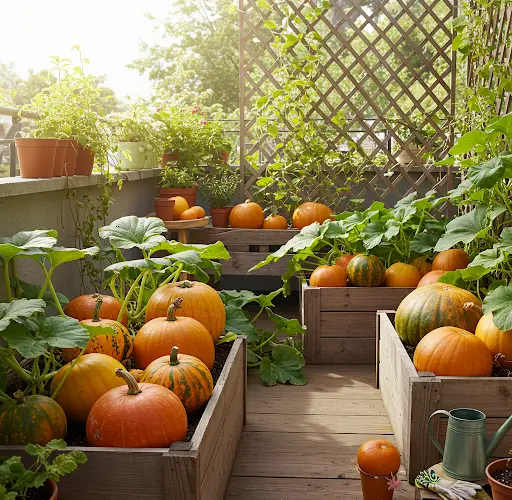
Pumpkins are a popular and versatile crop, known for their rich flavor and variety of uses. Traditionally grown on the ground, pumpkins can take up a lot of space and often require extra care to protect them from pests and disease. However, growing pumpkins on a trellis is an innovative and space-saving method that has gained popularity among gardeners. Not only does it maximize space, but it also encourages healthier vines and larger, sweeter fruits. In this article, we’ll explore the benefits of growing pumpkins on a trellis and how to do it successfully for a high yield and sweet harvest.
Why Grow Pumpkins on a Trellis?
Growing pumpkins on a trellis offers several advantages that make it an appealing option for gardeners, especially those with limited space. Here are some of the key reasons why this method is so effective:
-
Space Efficiency:
Pumpkins are sprawling plants that can take up a significant amount of space. By growing them vertically on a trellis, you can save valuable ground space for other crops. This method is especially useful for gardeners with small backyards, balconies, or raised beds who want to maximize the amount of food they can grow in a limited area. -
Improved Air Circulation:
When pumpkins grow on the ground, their leaves can become crowded, reducing airflow and increasing the risk of fungal diseases like powdery mildew. Growing them on a trellis promotes better air circulation around the plant, which helps to prevent these issues and encourages healthier growth. -
Cleaner and Healthier Fruits:
Pumpkins grown on the ground are prone to rot and pest damage due to direct contact with the soil. Trellising pumpkins lifts the fruits off the ground, reducing the risk of rot, pests, and soil-borne diseases. This also keeps the pumpkins cleaner, making them easier to harvest and store. -
Easier Harvesting:
Harvesting pumpkins from a trellis is much easier on the back and knees. As the fruits grow, they’ll hang down, making it simple to spot them and pick them without having to bend over or crawl through vines. -
Increased Fruit Size and Sweetness:
When pumpkins are grown on a trellis, the vines are better supported, which can lead to healthier plants and larger fruits. Moreover, the increased airflow and reduced moisture around the fruit can result in sweeter, more flavorful pumpkins.
How to Grow Pumpkins on a Trellis
Growing pumpkins on a trellis is a straightforward process, but it requires some planning and preparation. Here’s a step-by-step guide on how to do it successfully:
-
Choose the Right Pumpkin Variety:
Not all pumpkin varieties are suited for growing on a trellis. Some pumpkin types have long, heavy vines and large fruits that may not be suitable for vertical growth. For best results, choose smaller pumpkin varieties or those with compact, bush-like growth habits. Varieties like Bushkin, Sugar Pie, and Jack Be Little are ideal for trellising. If you want to grow larger pumpkins, make sure the trellis is sturdy enough to support their weight. -
Prepare the Growing Area:
Select a sunny spot in your garden for growing pumpkins. Pumpkins need full sun (at least 6-8 hours a day) to grow properly. If you’re growing pumpkins on a balcony or patio, ensure that the area receives enough sunlight throughout the day. -
Set Up the Trellis:
Choose a strong trellis or vertical structure that is tall enough to support the pumpkin vines. The trellis should be sturdy enough to handle the weight of mature pumpkins, which can range from 5 to 25 pounds depending on the variety. A trellis should be at least 5-6 feet tall and wide enough to provide space for the vines to spread.You can use various materials to build a trellis, such as wooden or metal frames, or even wire mesh. If you don’t have a permanent trellis, you can set up a temporary structure with garden stakes and twine or netting.
-
Plant the Pumpkins:
Once the trellis is set up, it’s time to plant the pumpkin seeds or seedlings. Start by planting the seeds directly into the soil or transplanting seedlings after the risk of frost has passed. Space the plants about 2-3 feet apart, depending on the variety. This gives the vines room to spread and climb the trellis.If you’re planting multiple pumpkins, consider spacing your plants in rows so that they have enough space to grow upward without overcrowding. Water the plants thoroughly after planting and keep the soil consistently moist, especially during dry spells.
-
Train the Vines:
As the pumpkin vines begin to grow, gently train them to climb the trellis. You can do this by tying the vines to the structure using soft garden twine or clips. Be careful not to damage the vines or restrict their growth when securing them to the trellis.As the vines grow longer, continue to guide them upward and tie them loosely to the trellis. This will help the plant develop a strong, upright structure and encourage the pumpkins to grow off the ground.
-
Support the Pumpkins:
As the pumpkins begin to grow, they will start to gain weight. Depending on the variety, the fruits may get quite large. To prevent the pumpkins from breaking off the vines or becoming deformed, it’s important to provide support for the fruits. Use small hammocks made of fabric, nylon, or old pantyhose to cradle the pumpkins. Tie the hammock to the trellis, ensuring the pumpkin is securely supported. -
Care for the Plants:
Keep the soil around your pumpkins moist but not soggy. Regular watering, especially during dry spells, is crucial for healthy growth. Fertilize the plants with organic compost or balanced fertilizer to provide the nutrients they need to grow large, sweet pumpkins.Additionally, watch for pests such as aphids, squash bugs, and vine borers, which can damage the plants. Use organic pest control methods like neem oil or insecticidal soap to keep the plants healthy.
Harvesting Pumpkins
When the pumpkins have fully matured and turned their characteristic color (orange, yellow, or whatever color the variety produces), it’s time to harvest. Cut the pumpkins off the vine with a sharp knife, leaving a few inches of stem attached to the fruit. This helps prevent rotting and extends the shelf life of the pumpkins.
Conclusion
Growing pumpkins on a trellis is a fantastic way to maximize your space, improve fruit quality, and enjoy a more manageable gardening experience. By following these simple steps, you can enjoy a plentiful harvest of sweet, healthy pumpkins right in your own backyard, patio, or balcony. This method not only makes the most of limited space but also provides cleaner, more flavorful fruits. Happy pumpkin growing!


