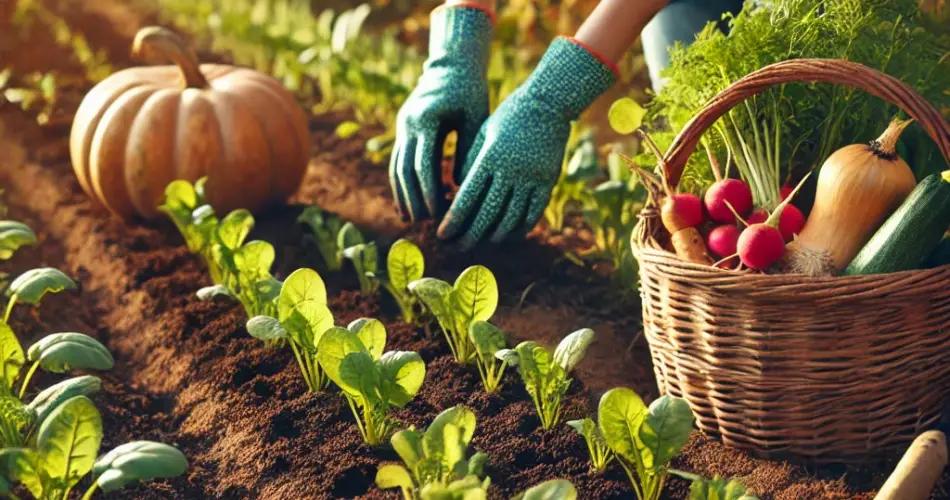
Summer passes quickly, leaving behind the vibrant colors of its fruits. While some vegetables like tomatoes, peppers, and zucchinis can still be harvested in September, others, such as sweet pumpkins, will provide sustenance throughout the winter. Pods can also be picked until the first frost. However, as the days grow shorter, there is a noticeable lack of fresh greens and salads that are crucial in supplying the body with essential vitamins and minerals before the winter months.
Just as people prepare for winter by stocking up on firewood in early summer, our bodies also need to be supplied with nutrients to maintain health and vitality through the colder months. This is why September is an excellent time to plant and sow vegetables that will grow quickly due to the warm soil, sufficient moisture, and continued exposure to sunlight.
Many gardeners have already begun planting and eagerly anticipate their first harvest. A reminder of what can still be sown in September is always useful. This month is perfect for sowing radishes, spinach, Swiss chard (including pink and yellow stem varieties), arugula, winter salad greens, and kale. Additionally, it is the right time to plant white and red onions, winter lettuce, and winter kale seedlings.
Spinach, particularly baby spinach, will be ready for harvest within 30 days of sowing. When harvesting, it is best to cut the leaves rather than pulling the entire plant, allowing the roots to produce a new crop in the spring. Spinach can be sown in rows or spread across the bed at a depth of approximately 2.5 cm. The same method applies to Swiss chard, which may have already self-seeded in the garden. Allow it to grow, and pick the young leaves as needed.
Radishes make an excellent companion to spinach and will mature quickly. The small, vibrant red bulbs will be ready for harvest within five to six weeks. Since radishes do not thrive in hot weather, if the temperatures remain high, it may be best to wait until the forecast indicates cooler days. Before sowing, prepare the soil by digging and loosening it thoroughly. Radishes are best sown in rows at a depth of 1.5 cm.
Kale, particularly narrow-leaf varieties, will begin to emerge in about 30 days and can be picked for consumption. It becomes even more flavorful after the first frost. Other salad greens, such as mâche, arugula, winter lettuce, and radicchio, also sprout quickly. These greens can be harvested when the leaves are about 5 cm long. Use scissors to trim the leaves rather than pulling the entire plant to allow for continued growth. Onions make great companions for these crops, providing additional nutrients and helping to deter pests.
This is also the ideal time to plant garlic and red onions. Their green shoots will not be as large or robust as they will be in the early spring, but they will still serve as an excellent source of vitamins and minerals. You can harvest scallions or use red onions while they are still young.
Proper land preparation is crucial, as is crop rotation. For leafy vegetables, dig or cultivate the surface layer of the soil before planting. These plants thrive when grown next to onions, making it beneficial to separate leafy vegetable rows with onion plants. Adding compost or humus can further enrich the soil. If your garden was previously mulched, simply remove the straw before sowing. Wood ash can also be added to the soil before planting red and garlic onions, as it provides valuable nutrients.
Leafy crops require ample nitrogen for healthy growth, making them ideal for planting in areas where peas were previously grown. Peas absorb atmospheric nitrogen and leave it in the soil, benefiting subsequent crops. When sowing these vegetables, plant them shallowly so they can break through the soil surface quickly. Be mindful not to plant them too densely. The recommended depth for these seeds is only a few centimeters, just enough to cover them lightly with soil.
Within a few days, the plants will begin to sprout, and it is important to watch for soil crust formation, which can occur after watering or rainfall. Because soil loses moisture rapidly, mulching between plants is highly beneficial. You can use straw or dried grass clippings as mulch. We have observed that plants grow significantly better when mulched, as the mulch helps retain soil moisture and regulate temperature, which is particularly important during winter.
We always recommend mulching for these reasons. If you are new to gardening, you can find detailed guidance on our channel, where we provide useful video tutorials covering various aspects of gardening and orchard maintenance. If you enjoy our content, we encourage you to support our work by liking our videos, leaving comments, and asking questions—we are always happy to help.
For those in colder climates, it may be beneficial to cover garden beds with simple greenhouse structures as winter approaches. A basic frame with plastic sheeting can effectively protect plants and extend the growing season, ensuring a steady supply of fresh greens throughout the winter.
If you haven’t yet started growing winter vegetables, there is still time to sow and plant a variety of crops. Maintaining flower beds is also important during this period. Remove dead flowers, especially from perennials and roses, as the production of seeds unnecessarily drains the plant’s energy. Summer flowers will continue to bloom until the first frost, so be sure to fertilize them, as their prolonged growth will require additional nutrients.
However, do not fertilize ornamental trees, hedges, roses, and perennials at this time, as doing so may stimulate new growth that could be damaged by frost. By mid-October, summer flowers should be removed, and flower beds should be prepared for new plantings in the fall or spring.
If frost damages your summer plants, consider replacing them with cold-resistant flowers such as pansies or violets. Late September is also the right time to plant evergreen trees and shrubs. Additionally, this period is perfect for planting cold-resistant bulb and tuber flowers, such as hyacinths, daffodils, and crocuses.
If you have allowed some flowers to dry and go to seed, now is the time to collect those seeds before the autumn rains arrive. Store them in a dry, dark place so they remain viable for the next planting season. Many perennials and strawberries can be propagated and transplanted at this time, along with roses and shrubs like blackberries and raspberries.
Empty, clean, and sterilize flower containers to prepare them for autumn or spring plantings. You can also use these containers immediately by planting herbs, which can be kept indoors and used throughout the winter for cooking and making teas.
So, make the most of September and the beautiful autumn days ahead. Enjoy the sunlight, dig into the soil, and in a few weeks, take pride in the fruits of your labor. And, of course, once you harvest your crops, you can use them to prepare delicious meals. Check out our channel for cooking inspiration, where we share footage of our home-cooked dishes made from freshly harvested produce. We look forward to continuing this gardening journey with you!


