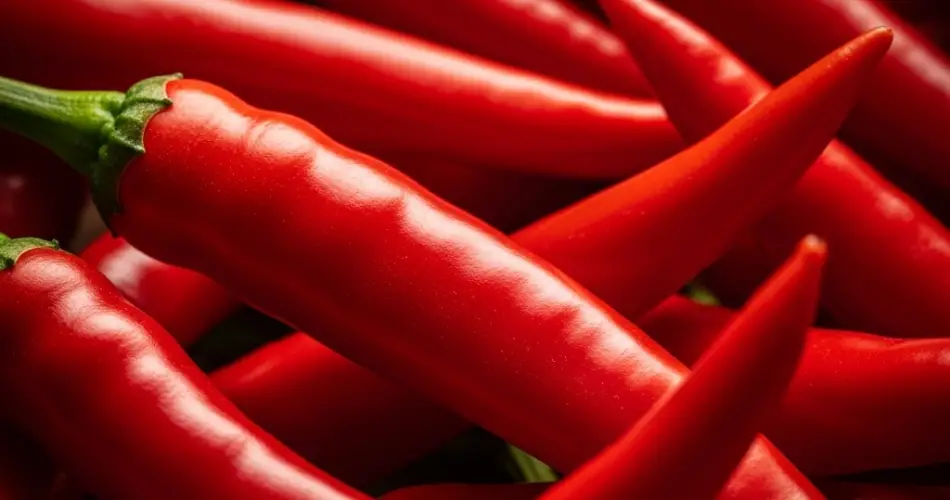
Chili peppers are one of the most popular and versatile plants to grow at home. Whether you love a mild kick or blazing heat, growing your own chili peppers can be a rewarding experience that adds fresh flavor to your meals. The best part? Chili peppers are surprisingly easy to cultivate, even for beginner gardeners.
If you’re wondering how to get started or how to simplify the growing process, this guide offers the easiest method to grow chili peppers successfully, right from seed to harvest.
Why Grow Your Own Chili Peppers?
Homegrown chili peppers are fresher, more flavorful, and often spicier than store-bought ones. Plus, growing your own means you can experiment with different varieties—from mild bells to superhots like habaneros or ghost peppers.
Chili peppers also:
-
Are compact and suitable for container gardening.
-
Require minimal care once established.
-
Can thrive indoors or outdoors depending on your climate.
Step 1: Choosing the Right Seeds
The journey to easy chili pepper gardening begins with selecting seeds. Some pepper varieties are more forgiving and faster-growing than others, making them ideal for beginners.
Recommended easy-to-grow varieties:
-
Jalapeño
-
Cayenne
-
Anaheim
-
Poblano
-
Banana pepper
You can find seeds online, at garden centers, or even harvest seeds from store-bought peppers (though this can be less predictable).
Step 2: Starting Seeds Indoors
Chili peppers need a warm environment to germinate and thrive, so starting seeds indoors is often the best approach.
How to start:
-
Fill small pots or seed trays with seed-starting mix or light potting soil.
-
Plant seeds about 0.5 cm (¼ inch) deep.
-
Keep the soil moist but not waterlogged.
-
Maintain temperatures around 24–30°C (75–86°F), as warmth speeds up germination.
Seeds typically sprout within 7–14 days. Using a seed heat mat or placing trays near a warm window can improve success rates.
Step 3: Provide Plenty of Light
Once seedlings emerge, they need bright light to grow strong and healthy. A south-facing window is ideal, but supplemental grow lights can be very helpful, especially in winter months.
Without enough light, seedlings become leggy and weak. Aim for 12–16 hours of light daily during the seedling stage.
Step 4: Transplanting and Potting Up
When your seedlings develop two or more sets of true leaves, transplant them into larger pots. This encourages strong root development.
Use well-draining potting soil rich in organic matter. If planting outdoors, wait until after the last frost and when nighttime temperatures stay consistently above 13°C (55°F).
Step 5: Choosing the Right Location
Chili peppers love the sun. For outdoor growing, choose a spot that receives 6–8 hours of direct sunlight daily.
If space is limited, peppers do well in containers on balconies, patios, or windowsills.
Step 6: Watering and Feeding
Chili peppers prefer consistent moisture but do not like soggy soil. Water deeply when the top inch of soil feels dry.
Fertilize regularly using a balanced liquid fertilizer or one formulated for vegetables. Start feeding every two weeks once plants begin to flower.
Step 7: Caring for Your Plants
Here are some simple care tips to keep chili plants healthy and productive:
-
Support tall plants: Some varieties grow tall and benefit from stakes or cages.
-
Pinch early flowers: To encourage stronger growth, pinch off the first few flowers after planting; this helps the plant build roots and foliage.
-
Watch for pests: Aphids, spider mites, and whiteflies can occasionally be a problem. Use natural insecticidal soap or introduce beneficial insects if needed.
-
Avoid overwatering: Overly wet conditions can lead to root rot or fungal diseases.
Step 8: Harvesting Your Chili Peppers
Chili peppers can be harvested when they reach full size or when they change color, depending on the variety. Use scissors or garden shears to avoid damaging the plant.
Harvesting regularly encourages more fruit production.
Bonus Tips for Success
-
Warmth is key: In cooler climates, start peppers indoors early and keep them in a warm spot.
-
Use mulch: Mulching helps retain soil moisture and reduces weeds.
-
Rotate crops: If planting in the garden, avoid planting peppers where other nightshades (like tomatoes or potatoes) were grown last year to reduce disease risk.
Final Thoughts
Growing chili peppers doesn’t have to be complicated or time-consuming. By selecting easy varieties, providing warmth and light, and following basic care, anyone can grow flavorful and spicy peppers at home.
Whether you want to spice up your kitchen or enjoy gardening as a hobby, chili peppers offer an accessible and rewarding project that requires minimal fuss.
Start your chili pepper garden today and enjoy the fiery fruits of your labor!


