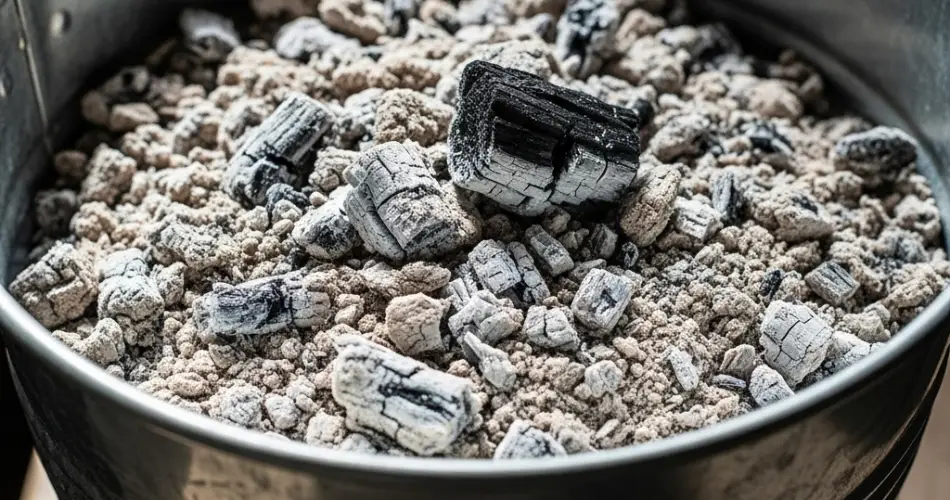
Wood ash, the gray powdery residue left after burning untreated firewood, has long been used by gardeners to enrich soil and improve plant health. It’s packed with valuable minerals like potassium, calcium, and magnesium, and it can help neutralize acidic soil. However, like any soil amendment, it needs to be used correctly to avoid harming your plants or altering the soil balance too much. Here are the key do’s and don’ts to help you use wood ash effectively and safely in your garden.
The Do’s of Fertilizing with Wood Ash
1. Do Use Ash from Untreated Wood Only
Always use ash from clean, untreated hardwood or softwood. Burning treated wood, painted lumber, or charcoal briquettes can leave behind toxic substances such as heavy metals or chemicals that are harmful to plants and soil microbes.
2. Do Test Your Soil First
Before adding wood ash, check your soil’s pH. Wood ash raises soil pH, so it’s best suited for acidic soils. A simple soil test will tell you if your garden actually needs this amendment. If your soil is already neutral or alkaline, adding ash could cause nutrient imbalances and harm plant growth.
3. Do Apply Moderately
Less is more when it comes to wood ash. A good rule of thumb is about 10 to 15 pounds (or roughly a 5-gallon bucket) of wood ash per 1,000 square feet of soil per year. Spread it thinly and evenly, then mix it into the topsoil to avoid surface concentration and runoff.
4. Do Wear Gloves and a Mask
Wood ash is highly alkaline and can irritate the skin, eyes, and lungs. When handling it, wear gloves, a mask, and safety goggles—especially on windy days—to protect yourself from dust.
5. Do Store Ash Properly
Keep your wood ash dry in a sealed metal container with a tight-fitting lid. Wet ash can form lye, a caustic substance that can damage plants and soil. Store it in a cool, dry place and keep it out of reach of children and pets.
6. Do Use Wood Ash on the Right Plants
Many plants benefit from the nutrients in wood ash, especially those that prefer slightly alkaline soils. These include tomatoes, garlic, onions, brassicas (like cabbage and broccoli), fruit trees, and flowering shrubs like lilacs and roses.
The Don’ts of Fertilizing with Wood Ash
1. Don’t Use Wood Ash on Acid-Loving Plants
Some plants require acidic soil to thrive. Avoid using wood ash near blueberries, azaleas, rhododendrons, camellias, gardenias, and hydrangeas (if you want blue flowers). The ash will raise the soil pH and interfere with nutrient uptake, potentially stunting growth or causing yellowing leaves.
2. Don’t Mix Ash with Fertilizers That Contain Nitrogen
Wood ash can react chemically with fertilizers that contain nitrogen, such as urea or ammonium nitrate, releasing ammonia gas and reducing the fertilizer’s effectiveness. Apply wood ash and nitrogen fertilizers at different times, ideally a few weeks apart.
3. Don’t Apply Too Much at Once
Overapplication of wood ash can lead to overly alkaline soil and may result in nutrient lockout, especially for iron and phosphorus. Excessive ash can also cause salt buildup, which may burn plant roots. Always follow the recommended application rates and retest your soil regularly if you use ash frequently.
4. Don’t Use Around Young Seedlings
Wood ash is too strong for tender seedlings and can damage their delicate root systems. It’s best to apply ash before planting and work it into the soil well ahead of sowing or transplanting.
5. Don’t Let Ash Pile Up
Never dump wood ash in a heap or leave it in concentrated spots. This can create pockets of very high pH and salt concentration that may harm soil structure and nearby plants. Always spread it evenly and mix it into the top few inches of soil.
6. Don’t Rely on Ash as a Complete Fertilizer
While wood ash is a good source of potassium and some trace minerals, it lacks nitrogen and has only small amounts of phosphorus. It should be used as part of a balanced fertilizing strategy, not a complete replacement for well-rounded compost or organic fertilizers.
Conclusion
Wood ash can be a valuable, sustainable addition to your garden when used with care. It helps correct acidic soil, supplies essential minerals, and boosts the productivity of plants that enjoy alkaline conditions. However, improper use can lead to soil imbalances and harm certain plants. By following these simple do’s and don’ts—testing your soil, applying moderately, and avoiding sensitive plants—you can safely harness the power of wood ash to enrich your garden naturally.


