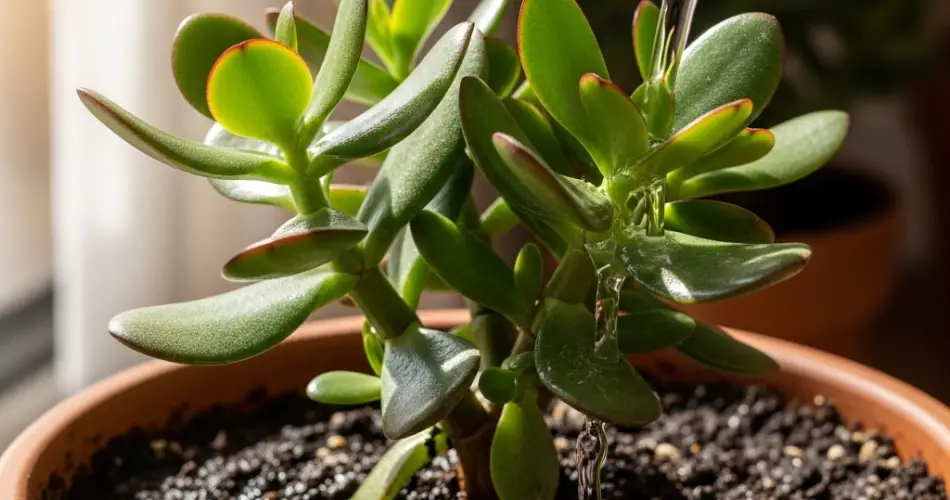
Jade plants (Crassula ovata), also known as money plants or lucky plants, are beloved for their thick, glossy leaves and easygoing nature. As succulents, they store water in their leaves and stems, which means they don’t require frequent watering. But when and how you water them plays a crucial role in their overall health. With the right watering schedule, you can keep your indoor jade plant thriving with minimal effort.
In this article, we’ll break down the ideal watering frequency, signs of over- and underwatering, seasonal care adjustments, and tips to tailor your schedule to your specific indoor environment.
Why Jade Plants Need Less Water
Jade plants originate from arid regions of South Africa and Mozambique, where rainfall is infrequent. To survive in such conditions, they evolved to store water in their leaves. This adaptation makes them ideal for indoor spaces and low-maintenance plant lovers.
However, this also means they’re highly sensitive to overwatering. Too much water can cause root rot, one of the leading causes of jade plant failure indoors. Striking the right balance is key.
How Often to Water a Jade Plant Indoors
The best watering schedule depends on several factors including the time of year, the plant’s size, pot material, and how much light it receives. As a general guideline:
-
Spring and Summer (active growing season): Water every 2 to 3 weeks.
-
Fall and Winter (dormant period): Water every 4 to 6 weeks or when the soil is completely dry.
The key is to always check the soil first. Only water when the top 1 to 2 inches (2.5–5 cm) are completely dry. In cooler, lower-light conditions, jade plants need even less frequent watering.
How to Check Soil Moisture
To avoid guesswork, test the soil using one of these methods:
-
Finger test: Insert your finger into the soil up to the second knuckle. If it feels dry, it’s time to water.
-
Wooden skewer test: Stick a wooden skewer or chopstick into the soil. If it comes out clean and dry, watering is due.
-
Moisture meter: These inexpensive tools give a more accurate reading and are useful if you have many houseplants.
Avoid watering on a fixed day each week unless you’re also monitoring soil dryness. Jade plants don’t follow a rigid schedule—and neither should your watering.
The Right Way to Water a Jade Plant
When it is time to water your jade plant, do so thoroughly:
-
Water deeply until it starts to drain from the bottom of the pot.
-
Allow excess water to drain completely. Never let the pot sit in standing water.
-
Use room-temperature water to prevent shocking the roots.
Bottom watering can also be effective, especially in compact soil. Place the pot in a shallow container of water for 10–15 minutes, allowing the roots to soak up moisture. Then let it drain well.
Common Signs of Overwatering
Jade plants show very clear symptoms when they’re receiving too much water:
-
Yellowing leaves, especially at the base
-
Mushy or translucent foliage
-
Soft stems
-
Black or rotten roots (if you inspect the root ball)
-
Soil that stays wet for too long
If overwatering has occurred, hold off on watering for several weeks. Remove any rotting roots and replant in dry, well-draining soil if necessary.
Common Signs of Underwatering
Underwatering is easier to correct, but still important to monitor:
-
Shriveled or wrinkled leaves
-
Dry, brittle leaf tips
-
Leaf drop from the top or outer edges
-
Slow or stunted growth
To help a thirsty jade plant recover, water slowly and deeply, allowing moisture to reach all parts of the root system. Resume a consistent schedule based on soil dryness.
Best Soil and Pot for Healthy Watering
A fast-draining soil mix is essential. Use cactus or succulent potting mix, or create your own by combining:
-
2 parts potting soil
-
1 part coarse sand or perlite
-
1 part pumice or small gravel
Choose a pot with drainage holes—this is non-negotiable for jade plant care. Terracotta pots are ideal because they allow excess moisture to evaporate faster than plastic or glazed ceramic.
Seasonal Adjustments
In winter, jade plants slow their growth and require significantly less water. Cooler temperatures and lower light levels mean the soil stays moist longer. Always check the soil and avoid watering too soon.
In spring and summer, resume regular watering as new leaves emerge and growth picks up.
Conclusion
A jade plant’s watering needs are simple but specific. Overwatering is the biggest threat, while underwatering is easy to spot and correct. The most reliable method is to observe your plant and check the soil before every watering. With the right schedule, proper soil, and a container that promotes drainage, your jade plant will stay healthy, happy, and beautifully green all year long.


