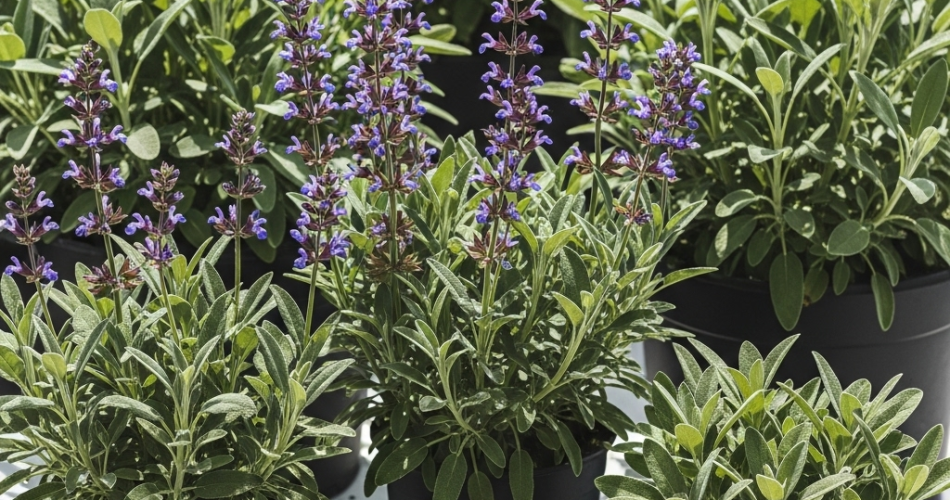
Sage (Salvia officinalis) is a popular perennial herb known for its aromatic leaves and culinary versatility. Whether you grow it for its earthy flavor, ornamental beauty, or pollinator-friendly blooms, sage thrives when planted in the right soil—especially in containers. While sage is relatively low-maintenance, its performance in pots depends heavily on using a well-suited soil mix that supports healthy roots, prevents disease, and promotes vibrant growth.
If you’re planning to grow sage in pots, here’s everything you need to know about creating the best soil mix for long-term success.
Why Soil Mix Matters for Potted Sage
Sage naturally grows in the Mediterranean, where the soil is dry, rocky, and low in nutrients. Mimicking these conditions in containers is key to growing strong, flavorful sage. Unlike garden soil, which can become compacted and poorly drained in pots, a custom soil mix ensures your sage gets exactly what it needs: excellent drainage, moderate fertility, and a structure that allows air to reach the roots.
Poor-quality soil or soil that retains too much water is the most common cause of root rot and fungal problems in potted sage. On the other hand, a balanced, breathable soil mix leads to healthier plants with more aromatic leaves.
Characteristics of Good Soil for Sage
To choose or create the right soil mix for sage in containers, focus on these essential traits:
-
Well-draining: Sage dislikes soggy roots. A soil that holds water will lead to root rot quickly.
-
Loosely structured: Air circulation in the root zone prevents disease and encourages growth.
-
Moderately fertile: Sage doesn’t need rich, nutrient-heavy soil. Overfeeding can reduce the intensity of its flavor.
-
Slightly alkaline: Sage prefers soil with a pH between 6.5 and 7.5.
Recommended Potting Soil Mix for Sage
A well-balanced soil mix for potted sage includes a combination of organic matter, drainage-enhancing materials, and a touch of compost. Here’s a reliable recipe you can make at home:
DIY Soil Mix for Potted Sage:
-
2 parts high-quality potting soil (peat-free if possible) – Acts as the base and holds moisture without becoming too compact.
-
1 part coarse sand or perlite – Improves drainage and aeration.
-
1 part compost or aged manure – Provides light nutrients and microbial life to support healthy growth.
Optional Additions:
-
A handful of crushed eggshells or garden lime – Helps raise the pH slightly and adds calcium.
-
A spoonful of worm castings – Adds slow-release nutrients without overwhelming the plant.
Mix thoroughly before planting, ensuring even distribution of materials. This blend creates a lightweight, porous soil that mimics the well-drained Mediterranean conditions sage prefers.
Choosing the Right Container
Your container matters just as much as the soil. Sage roots are prone to rot if they sit in water, so your pot must allow excess moisture to drain away.
Container tips:
-
Always use a pot with drainage holes at the bottom.
-
Choose unglazed terracotta or clay pots, which allow moisture to evaporate and help regulate soil moisture levels.
-
Select a pot that’s at least 8–10 inches wide and deep to allow root expansion.
Watering Considerations
With the correct soil mix in place, watering becomes easier to manage. Even with good drainage, overwatering is still a risk.
Watering tips:
-
Allow the top 1–2 inches of soil to dry out before watering again.
-
Water thoroughly, allowing excess to drain from the bottom of the pot.
-
In cooler months or periods of slow growth, reduce watering frequency.
Overly wet soil is the main enemy of potted sage. A proper soil mix helps, but it must be paired with smart watering habits.
Fertilizing Sage in Pots
Sage is not a heavy feeder and often grows best in soil with moderate nutrient levels. Too much fertilizer, especially nitrogen, can cause rapid leafy growth at the expense of flavor and essential oil content.
Fertilizer tips:
-
Apply a diluted organic liquid fertilizer once a month during active growth (spring and summer).
-
Avoid feeding in winter when the plant is dormant.
-
Consider adding a light top-dressing of compost in spring for a gentle nutrient boost.
Refreshing the Soil Annually
Even with the best mix, soil in pots becomes compacted and nutrient-depleted over time. To keep your sage healthy year after year:
-
Replace the top 2–3 inches of soil each spring with fresh mix or compost.
-
Repot the entire plant every 1–2 years, refreshing the soil and trimming back roots if needed.
-
Clean the container thoroughly before reuse to prevent disease buildup.
Final Thoughts
Growing sage in containers is an excellent way to enjoy this fragrant, culinary herb even if you have limited space. The key to success lies in the soil mix: it must be fast-draining, light, and not overly rich. By mimicking sage’s native environment with a well-balanced DIY soil blend and pairing it with good watering and fertilization habits, you’ll enjoy a healthy, flavorful plant season after season.
Whether on a balcony, patio, or sunny kitchen window, potted sage thrives when its roots are given the right foundation. With just a little care and the proper soil, you’ll be rewarded with fresh leaves and beautiful blooms for cooking, tea, or garden charm.


