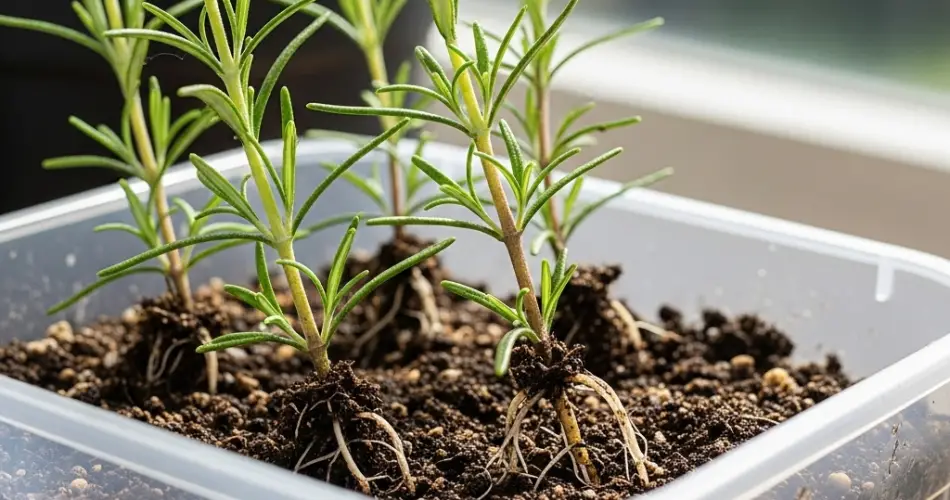
Rosemary is a hardy, aromatic herb beloved for its culinary uses, ornamental value, and natural resistance to pests. While growing rosemary from seeds can be slow and unreliable, propagating it from cuttings—especially woody cuttings—is a faster, more dependable method. Woody cuttings come from the mature, hardened parts of the plant, and although they require a bit more care than soft stem cuttings, they often yield stronger, more resilient plants.
If you want to multiply your rosemary plants or preserve a particular variety you love, propagating from woody cuttings is a practical and cost-effective solution. Here’s a step-by-step guide to help you successfully propagate rosemary using woody cuttings.
Why Choose Woody Cuttings?
Woody cuttings are taken from the mature, brown stems of a rosemary plant—usually near the base, where the growth has toughened over time. Compared to soft green stems, these cuttings:
-
Are more disease-resistant.
-
Produce hardier plants.
-
Root more slowly but have better long-term survival.
This method is ideal if you’re pruning back an older rosemary plant or if the herb has gone slightly woody at the base.
Step 1: Select Healthy, Mature Stems
The best time to take rosemary cuttings is in late spring through early fall, when the plant is actively growing but not stressed by extreme heat or cold. Choose a healthy, well-established rosemary plant that shows no signs of disease or pest damage.
Look for stems that are:
-
At least 4–6 inches long.
-
Brown and woody at the base.
-
Still green and pliable at the tip.
Avoid very old or brittle stems, as they may struggle to root.
Step 2: Take and Prepare the Cuttings
Using a clean, sharp pair of pruning shears or scissors, cut the stem just below a leaf node—the point where leaves attach to the stem. Each cutting should be about 5–6 inches long.
Next:
-
Strip the lower half of the cutting of its leaves, leaving only a few leaves at the top.
-
Gently scrape a small section of bark off the base of the cutting to expose the cambium layer. This can encourage quicker root development.
-
Optional: Dip the scraped end in rooting hormone powder to further boost the chances of success, although rosemary can root without it.
Step 3: Choose a Rooting Medium
Rooting rosemary in soil is the most common method, especially for woody cuttings. You’ll need:
-
A small pot or tray with drainage holes.
-
A light, well-draining soil mix—cactus mix or a 50/50 blend of perlite and peat moss works well.
Moisten the soil before planting. Then, insert the cuttings into the soil about halfway, ensuring that at least two inches are buried. Press the soil gently around the stem to keep it stable.
Alternatively, rosemary cuttings can be rooted in water, but woody cuttings tend to perform better in soil because they are more susceptible to rotting in water.
Step 4: Create the Right Environment
Once planted, place the cuttings in a warm, bright location with indirect light. Avoid direct sunlight at this stage, as it can stress the cutting. Maintain consistent moisture in the soil—damp but not soggy.
To increase humidity, you can:
-
Cover the pot with a plastic bag or a clear dome.
-
Use a humidity tray or mist the cuttings daily.
Ensure there’s some airflow to prevent mold, especially under a plastic cover.
Step 5: Monitor and Wait for Roots
Rooting woody rosemary cuttings can take 4 to 8 weeks. You’ll know roots are forming when you see new growth on the cutting or feel resistance when you gently tug on the stem.
Avoid disturbing the cutting during this time. Patience is key.
Once the cuttings have established roots:
-
Remove any humidity dome or plastic cover.
-
Gradually expose the plant to more light.
-
Water less frequently but more deeply to encourage root development.
Step 6: Transplant and Care for the New Plant
After about two months, or once the roots are well developed, you can transplant the rosemary cutting into a larger container or directly into your garden.
Choose a sunny location with well-drained soil. Rosemary thrives in full sun and prefers dry conditions over excessive watering. Be careful not to overwater young plants—they’re still adjusting and are more vulnerable to root rot.
Tips for Success
-
Always start with sterile tools and clean pots to reduce the risk of disease.
-
If you’re propagating multiple cuttings, expect a few to fail—this is normal.
-
If you’re growing indoors, provide supplemental lighting during darker months to keep the plant healthy.
-
Pinch off the growing tips once the plant is established to encourage bushier growth.
Conclusion
Propagating rosemary from woody cuttings is a simple and satisfying way to expand your herb garden. While it may take a little patience, the reward is a hardy new plant that can be used in the kitchen, as an ornamental shrub, or even as a fragrant hedge. With the right care and environment, your cuttings will root successfully and flourish for years to come.


