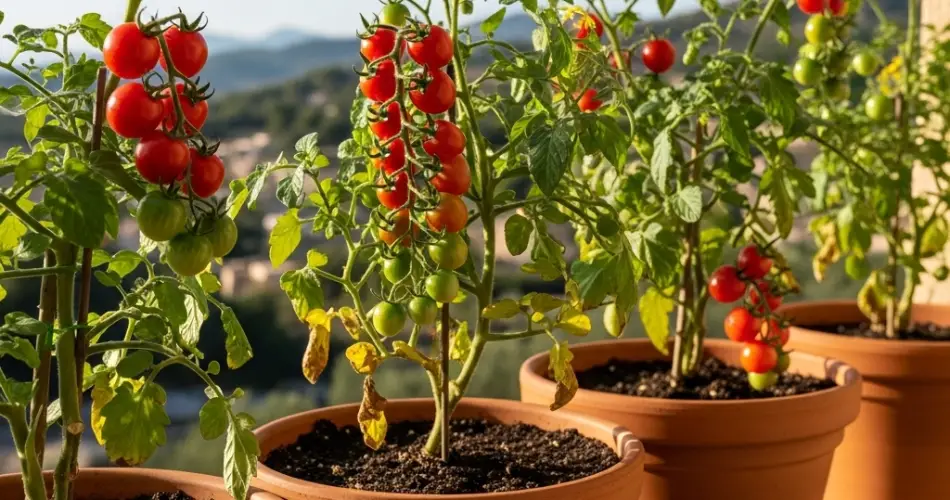
Tomatoes are one of the most popular vegetables (technically fruits) to grow at home, and container gardening offers a flexible and space-efficient way to cultivate them. Whether you’re working with a sunny balcony, small patio, or rooftop, choosing the right pot is essential for growing healthy tomato plants and producing a bountiful harvest. The ideal pot allows for proper root development, efficient water drainage, and stable support for growing plants.
Here’s a complete guide to selecting the best pots for growing tomatoes at home, along with helpful care tips for maximizing your yield.
Why Pot Size Matters for Tomatoes
Tomatoes have deep root systems and are heavy feeders, which means they need enough space to grow both above and below the soil. Using a container that’s too small can lead to poor root development, stunted growth, and reduced fruit production.
Minimum pot size recommendations:
-
Determinate varieties (bush types): At least 5 gallons (20 liters)
-
Indeterminate varieties (vining types): At least 10 gallons (40 liters)
-
Depth: A minimum of 12 inches, but deeper is better
Larger containers provide more room for root expansion, which helps the plant access more nutrients and moisture, ultimately resulting in stronger plants and more tomatoes.
Best Pot Materials for Tomato Plants
Tomato containers can be made from various materials, each with its pros and cons:
1. Plastic Pots
Lightweight, affordable, and widely available, plastic pots retain moisture well and are easy to move. However, they can heat up quickly in direct sun, which may affect root health in hotter climates.
2. Fabric Grow Bags
These offer excellent drainage and aeration, preventing root rot and promoting air pruning (a process that encourages stronger root systems). They’re foldable for storage, though they may require more frequent watering.
3. Clay or Terracotta Pots
Attractive and naturally breathable, these pots allow excess moisture to evaporate. However, they dry out faster and are heavier and more fragile.
4. Wooden Boxes or Crates
With proper lining and drainage holes, wooden containers can be both decorative and functional. Use untreated wood to avoid chemical leaching.
5. Self-Watering Pots
These are designed with a water reservoir at the bottom, which reduces the frequency of watering and keeps moisture levels more consistent—ideal for busy or forgetful gardeners.
Drainage is Non-Negotiable
No matter what type of container you choose, drainage is critical. Tomato plants hate soggy roots, and poor drainage can lead to root rot, fungal diseases, and nutrient deficiencies.
Look for containers with:
-
Multiple drainage holes at the bottom
-
A layer of gravel or coarse material at the base (optional)
-
A saucer or tray underneath to catch excess water (especially on balconies)
Avoid pots that trap water, and never allow the plant to sit in standing water for long periods.
Supporting Your Tomato Plants
Tomatoes, especially indeterminate types, need support as they grow. Your pot should be large and stable enough to anchor a support system without tipping over.
Support options include:
-
Tomato cages: Fit directly into the container and provide 360° support.
-
Wooden stakes or bamboo poles: Secure the plant with soft ties as it grows.
-
Trellis or strings: Useful if growing near a wall or vertical frame.
Install supports early while the plant is small to avoid damaging the roots later.
Pot Placement and Sunlight
Tomatoes require full sun—at least 6 to 8 hours of direct sunlight daily. Place pots in a sunny location, such as a south-facing balcony or patio.
If natural light is limited, consider using grow lights to supplement sun exposure, especially for indoor or shaded areas.
Soil and Watering Tips
Use a high-quality potting mix enriched with compost or organic matter. Avoid garden soil, which may compact and hinder drainage in containers.
Watering tips:
-
Water deeply and consistently.
-
Keep soil moist but not soggy.
-
Water at the base of the plant to avoid wetting the leaves.
During hot weather, daily watering may be needed, especially in smaller or porous containers.
Final Touches: Fertilization and Maintenance
Tomatoes in containers benefit from regular feeding. Use a balanced fertilizer or one formulated for tomatoes. Apply every 2–3 weeks, especially once the plants begin to flower and fruit.
Maintenance tips:
-
Prune lower leaves to improve air circulation.
-
Monitor for pests like aphids or whiteflies.
-
Rotate or reposition pots if one side is shaded for too long.
Final Thoughts
Choosing the right pot for your tomato plants is more than a matter of aesthetics—it directly impacts plant health, growth, and productivity. By selecting containers that offer the proper size, material, drainage, and support, you set your tomatoes up for success, even in small spaces. With consistent care, sunlight, and nutrients, your patio or balcony can become a thriving tomato oasis.


