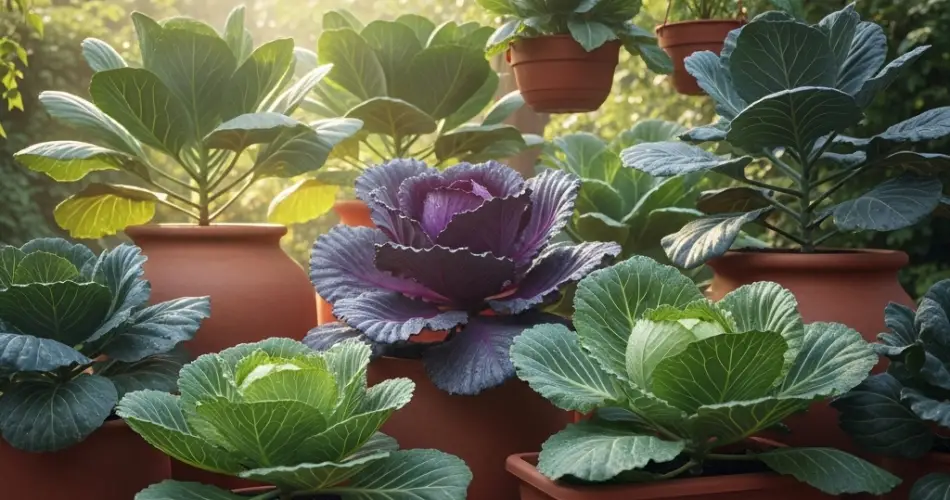
Growing cabbage at home is easier than you might think—even without a garden. With the right container, you can raise healthy, full-headed cabbage on balconies, patios, or sunny corners of your home. Container gardening offers flexibility, efficient space usage, and better control over soil quality and pests.
This guide explains how to choose the best pots for growing cabbage, what to fill them with, and how to give your plants everything they need to thrive from transplant to harvest.
Why Grow Cabbage in Pots?
Cabbage is a cool-season crop with compact roots, making it ideal for container gardening. Homegrown cabbage tends to be fresher, more flavorful, and healthier than store-bought versions. Growing it in containers also allows you to avoid soil-borne diseases and easily manage growing conditions like sunlight and moisture.
The Ideal Pot Size for Cabbage
Cabbage needs room to develop a dense head and a stable root system. The ideal pot should allow for deep root growth and wide leaf expansion.
Recommended pot size:
-
Minimum diameter: 12–14 inches (30–35 cm)
-
Minimum depth: 12 inches (30 cm)
-
Volume: At least 5 gallons (19 liters) per plant
Avoid crowding multiple cabbage plants in a single pot. One plant per pot ensures optimal space, airflow, and nutrition.
Best Pot Types for Cabbage
Various container materials can be used to grow cabbage, each with its advantages.
1. Plastic Pots
Lightweight, inexpensive, and readily available. They retain moisture well, which benefits cabbage, a crop that prefers consistently moist soil.
2. Fabric Grow Bags
Excellent for drainage and air pruning roots. These promote healthier root systems and prevent root binding. Choose a sturdy 5- to 7-gallon bag for best results.
3. Clay or Terracotta Pots
Aesthetic and breathable, though they dry out faster than plastic. Ideal if you live in a humid climate or can commit to regular watering.
4. Wooden Boxes or Crates (Lined)
Customizable and eco-friendly. Just make sure the wood is untreated and that you drill adequate drainage holes at the bottom.
5. Self-Watering Pots
These are ideal for beginners or those with busy schedules. The built-in reservoir provides a steady water supply, reducing the chances of under- or over-watering.
Drainage Is Essential
No matter which type of container you choose, good drainage is a must. Cabbage does not tolerate waterlogged roots. Ensure:
-
There are multiple drainage holes at the bottom.
-
The pot sits slightly elevated (on bricks or pot feet) to prevent blocked drainage.
-
A layer of coarse gravel or small stones at the bottom can aid drainage.
Choosing the Right Soil
Cabbage prefers loose, fertile, well-draining soil that holds moisture. A good mix should have:
-
60% high-quality potting mix
-
20% compost or aged manure
-
20% perlite or coarse sand for drainage
Add a handful of garden lime to balance pH if your mix is too acidic. Aim for a pH between 6.0 and 7.5.
Before planting, enrich the soil with a slow-release, balanced organic fertilizer.
Planting and Spacing
Start with young cabbage transplants or sow seeds indoors and transfer when seedlings are 4–6 weeks old. Plant one cabbage per pot to prevent overcrowding.
Bury the seedling up to the first true leaves to encourage strong root development. Press the soil gently around the base and water thoroughly after planting.
Light Requirements
Cabbage loves the sun. Choose a location that receives at least 6 hours of direct sunlight per day. Morning sun is best, especially in warm climates, as it prevents heat stress in the afternoon.
In hot regions, provide partial shade during the hottest part of the day to keep the plant from bolting.
Watering and Feeding
Cabbage in pots requires regular, even watering. The goal is to keep the soil consistently moist but never soggy.
-
Water 2–3 times per week depending on the weather.
-
Water at the base to avoid wetting the leaves, which can lead to fungal issues.
Feeding tips:
-
Use a balanced liquid fertilizer (10-10-10 or similar) every two weeks during the growing season.
-
As the head begins to form, switch to a fertilizer higher in potassium to support dense growth.
Common Issues and Solutions
Pests:
-
Cabbage worms, aphids, and whiteflies can affect potted cabbage.
-
Use neem oil spray or insecticidal soap as a preventative measure.
Diseases:
-
Watch for fungal diseases like downy mildew.
-
Avoid overhead watering and ensure good airflow between plants.
Leggy Growth:
-
This often results from inadequate sunlight. Move the pot to a sunnier location.
Harvesting Your Cabbage
Depending on the variety, cabbage is ready to harvest in 70–90 days. When the head feels firm to the touch and reaches the expected size (usually 4–8 inches in diameter), it’s time to harvest.
Use a sharp knife to cut the head at the base, leaving the outer leaves and root system in place. Sometimes, smaller secondary heads may grow from the remaining stem.
Final Tips
-
Rotate pots occasionally for even sun exposure.
-
Mulch the soil with straw or shredded leaves to retain moisture and suppress weeds.
-
Clean and disinfect pots after each growing season to prevent disease buildup.
With the right pot and a bit of care, homegrown cabbage can thrive in containers and reward you with fresh, flavorful heads right from your patio.


