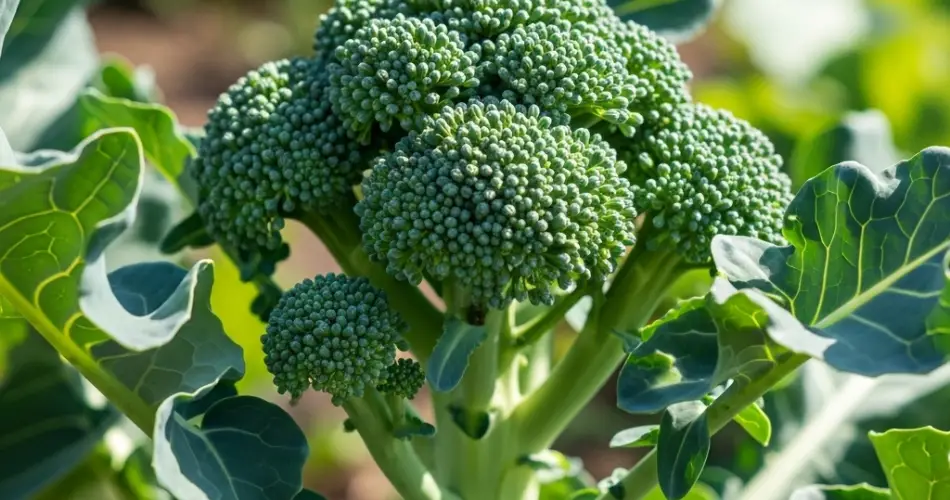
Broccoli is a highly nutritious and rewarding vegetable to grow at home, but to get a dense head and lush green leaves, it needs proper fertilization at the right times. This cool-season crop is a heavy feeder, meaning it demands a steady supply of nutrients throughout its growth. Without adequate fertilization, broccoli may produce small heads, poor leaf development, or bolt prematurely. This guide explains the best fertilizer schedule and techniques to keep your broccoli thriving from seedling to harvest.
Understanding Broccoli’s Nutrient Needs
Broccoli (Brassica oleracea var. italica) belongs to the brassica family, which includes cabbage, cauliflower, and kale. These vegetables require rich, well-drained soil with a balanced nutrient profile, particularly high in nitrogen to support leafy growth.
The three main nutrients essential for broccoli growth are:
-
Nitrogen (N): Promotes leaf development, essential for photosynthesis.
-
Phosphorus (P): Supports root development and early plant vigor.
-
Potassium (K): Helps with stem strength, flower formation, and disease resistance.
Broccoli also benefits from secondary nutrients like calcium, magnesium, and sulfur, which aid in overall plant health and head formation.
Pre-Plant Fertilization (2–3 Weeks Before Planting)
Start with soil preparation. About 2–3 weeks before planting, amend your garden bed with organic matter such as compost or well-rotted manure. This improves soil texture and provides a baseline of nutrients.
If you’re using granular fertilizer, apply a balanced all-purpose blend such as 10-10-10 or 14-14-14 at a rate of about 1 to 2 pounds per 100 square feet. Work it into the top 6 inches of soil. This ensures that nutrients are available as the young plants establish roots.
If your soil test shows deficiencies in pH or specific nutrients, adjust accordingly. Broccoli prefers a pH between 6.0 and 7.0.
At Planting Time
When transplanting broccoli seedlings or sowing seeds directly into the ground, give each plant a little nutritional boost. Mix a small amount of starter fertilizer (high in phosphorus) directly into the planting hole. A handful of bone meal or a teaspoon of fish emulsion can help get the roots established quickly.
Water the area thoroughly after planting to help the nutrients penetrate the soil and reach the young roots.
Early Growth Stage (2–3 Weeks After Planting)
Once the broccoli plants are well-established and growing steadily, begin feeding them with a nitrogen-rich fertilizer. This is especially important during the vegetative stage when the plant is developing leaves and stems.
Use a high-nitrogen fertilizer such as blood meal, fish emulsion, or a synthetic fertilizer with a nitrogen-heavy ratio like 21-0-0. Apply every 2–3 weeks at the base of the plant, being careful not to touch the leaves to avoid burning.
Water after feeding to help nutrients reach the roots and to prevent fertilizer burn.
Mid-Growth and Head Development
As your broccoli matures and starts forming heads (usually 6–8 weeks after transplanting), continue feeding, but switch to a balanced fertilizer such as 10-10-10 or one slightly lower in nitrogen. Too much nitrogen at this stage can cause excessive leaf growth and delay or reduce head formation.
Feed with a side-dressing of fertilizer every 2–3 weeks. You can also apply compost tea or a diluted liquid fertilizer around the root zone.
In addition, supplementing with calcium (such as gypsum or crushed eggshells) can help prevent issues like hollow stem or tip burn.
Organic Fertilizer Options
For those growing organically, consider the following:
-
Compost or worm castings: Add around the base of the plants to slowly release nutrients.
-
Fish emulsion or seaweed extract: Liquid feeds that can be applied every 10–14 days during active growth.
-
Manure tea: A homemade brew using aged manure and water, ideal for leafy vegetable crops.
-
Bone meal and kelp meal: Good sources of phosphorus and potassium, respectively.
Apply organic fertilizers more frequently, but at lower concentrations, as they tend to be slower acting than synthetic options.
Signs of Nutrient Deficiency
Monitor your plants regularly for signs of stress or nutrient imbalance:
-
Yellowing leaves: May indicate nitrogen deficiency.
-
Purplish stems or undersides of leaves: Often a sign of phosphorus deficiency.
-
Leaf curling or spotting: Could signal potassium or calcium problems.
Correct these issues quickly with appropriate fertilizer or amendments.
Final Feeding and Harvest Tips
Stop fertilizing broccoli about two weeks before harvest. This allows the plant to direct energy into maturing the head rather than producing new leaves.
Harvest the head while it is tight and firm, before the buds begin to flower. If you’ve kept up with a good feeding schedule, you may even get side shoots for additional harvests after the main head is removed.
Conclusion
A well-timed fertilization schedule is key to growing strong, productive broccoli. Start with rich soil, feed regularly with the right balance of nutrients, and adjust as the plant matures. With proper care, your broccoli plants will reward you with healthy, flavorful heads perfect for the dinner table.


