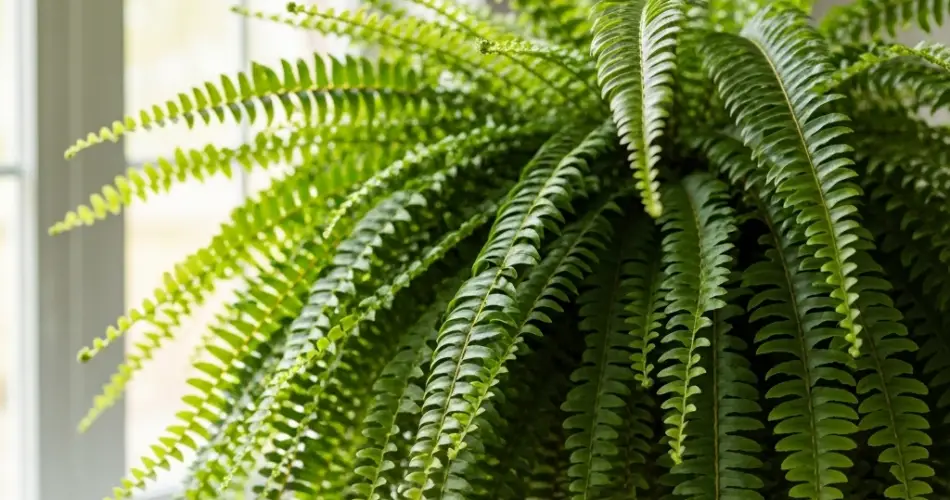
Boston ferns (Nephrolepis exaltata) are elegant houseplants known for their arching fronds and lush green foliage. These ferns add a touch of classic beauty to homes and shaded gardens, but to keep them looking full and vibrant, proper fertilization is key. Feeding your Boston fern the right nutrients helps maintain its health, supports lush growth, and prevents yellowing or thinning leaves. Understanding what kind of fertilizer to use—and when and how to apply it—will help your fern thrive.
What Nutrients Do Boston Ferns Need?
Like all plants, Boston ferns require a balance of the primary macronutrients:
-
Nitrogen (N): Promotes healthy green foliage and vigorous leaf production.
-
Phosphorus (P): Supports root development and overall plant vitality.
-
Potassium (K): Enhances resistance to stress and strengthens plant tissue.
Boston ferns are mainly foliage plants, so a fertilizer with a higher nitrogen content (such as a 3-1-2 or 20-10-20 NPK ratio) typically works best. However, it’s important to avoid overfeeding, as too much fertilizer can burn the roots or cause excessive salt buildup in the soil.
Best Types of Fertilizers for Boston Ferns
1. Water-Soluble Fertilizer
A balanced, water-soluble fertilizer is ideal for Boston ferns, especially during the active growing season in spring and summer.
How to use:
Dilute the fertilizer to half the strength recommended on the label and feed your fern every 4–6 weeks. Too much fertilizer can damage the plant, so it’s better to feed lightly and consistently.
2. Slow-Release Granules
Slow-release fertilizers offer a steady supply of nutrients over time and reduce the risk of overfertilization.
How to use:
Sprinkle the granules on top of the soil, following the instructions on the package. Most slow-release fertilizers work for 2–4 months. Watering activates the nutrients, so ensure the soil remains moist (but not soggy).
3. Organic Fertilizers
Organic options such as fish emulsion, seaweed extract, or compost tea are gentle on the plant and enrich the soil with micronutrients.
How to use:
Apply every 3–4 weeks during the growing season. Dilute according to package directions and apply directly to the soil. Organic options are less likely to cause fertilizer burn and help build long-term soil health.
4. Homemade Compost or Worm Castings
For an eco-friendly, sustainable option, topdress your Boston fern with a thin layer of compost or worm castings.
How to use:
Add a layer around the base of the plant in spring or early summer. These slow-release organic materials provide nutrients over time and help improve soil structure.
When and How Often to Fertilize
Boston ferns benefit from regular feeding during their growing season, which is typically from spring through early fall. During this time, aim to fertilize every 4–6 weeks using a diluted water-soluble or organic fertilizer.
In fall and winter, the plant’s growth naturally slows down, and it enters a semi-dormant phase. Fertilization during this period is generally not necessary. Overfeeding during the cooler months can lead to salt buildup in the soil, root damage, and leaf tip burn.
Signs Your Boston Fern Needs Fertilizer
If your Boston fern isn’t getting the nutrients it needs, it will show signs like:
-
Pale or yellowing fronds
-
Slowed or stunted growth
-
Leaf drop or thinning foliage
-
Brown tips despite proper humidity and watering
These symptoms can also result from improper watering or low humidity, so it’s important to consider the plant’s overall environment before adjusting fertilizer levels.
Fertilization Tips for Healthy Growth
-
Flush the soil: Every few months, water the plant thoroughly until water runs out the bottom of the pot. This helps wash away excess salts that can build up from fertilizers.
-
Avoid fertilizing dry soil: Always water your fern before applying liquid fertilizer to prevent root burn.
-
Watch for salt buildup: If you notice white crust on the soil surface or pot edges, reduce fertilization frequency and flush the soil.
-
Complement with humidity: Boston ferns love high humidity. Pairing proper fertilization with consistent misting or a humidity tray ensures optimal growth.
Final Thoughts
Fertilizing your Boston fern correctly is essential for maintaining its lush, full appearance. Choose a fertilizer high in nitrogen, apply it at reduced strength during the growing season, and avoid feeding during dormancy. Whether you opt for water-soluble solutions, slow-release formulas, or organic options, consistency and moderation are key. With the right care, your Boston fern will reward you with vibrant, cascading fronds all year long.


