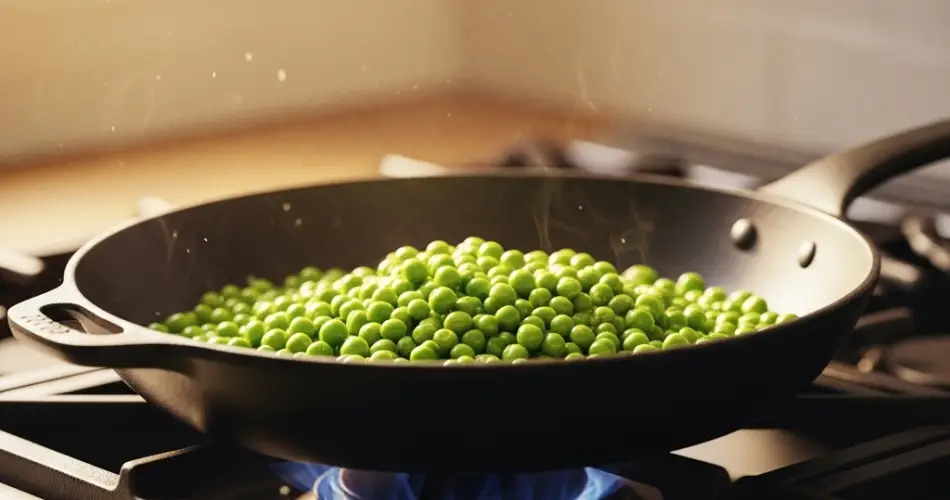
Fresh peas are a springtime treasure—tender, sweet, and bursting with flavor. Whether you’re shelling garden peas, snapping sugar snap peas, or slicing snow peas into a stir-fry, these little green gems bring a refreshing brightness to any dish. While frozen peas are convenient and available year-round, nothing quite compares to the vibrant taste and texture of peas harvested at their peak.
Types of Fresh Peas
Before cooking with peas, it’s helpful to understand the three main types commonly used in kitchens and gardens:
-
Garden Peas (English Peas): These need to be shelled before eating, as the pods are tough and fibrous. The peas inside are sweet and tender when fresh.
-
Snow Peas: Flat pods with tiny peas inside. The whole pod is edible and delicious, especially when lightly cooked.
-
Sugar Snap Peas: A cross between garden and snow peas. These plump, crisp pods can be eaten whole and are prized for their sweet crunch.
Each type has its own unique appeal, making peas a versatile ingredient in both raw and cooked dishes.
Selecting and Storing Fresh Peas
Fresh peas should be used as soon as possible after harvest to enjoy their peak sweetness. When shopping or picking, look for firm, bright green pods with no signs of wilting or yellowing.
-
Garden peas: Choose pods that are plump but not bulging. Overmature peas become starchy.
-
Snow and sugar snap peas: Pick pods that are crisp and free of blemishes.
If you’re not using them right away, refrigerate peas in a perforated bag. Garden peas can be stored unshelled for up to 3 days, while snow and sugar snap peas will keep their crunch for 4–5 days when properly stored.
How to Prepare Peas
For garden peas, remove the peas from their pods just before cooking. Simply snap off the stem and pull the string down to open the pod. Use your thumb to push the peas out.
For snow and sugar snap peas, trim the ends and pull off the strings that run along the seams. Rinse well before use.
Cooking Methods for Fresh Peas
Fresh peas cook quickly, so it’s best to use gentle methods that preserve their natural sweetness and bright green color.
1. Blanching
This is a simple technique to preserve the color and texture of peas, especially before adding them to salads or cold dishes.
-
Boil water with a pinch of salt.
-
Add peas and cook for 1–2 minutes (just until tender-crisp).
-
Immediately plunge into ice water to stop the cooking process.
2. Steaming
Steaming is ideal for garden peas and helps retain nutrients.
-
Place peas in a steamer basket over boiling water.
-
Steam for 2–4 minutes, depending on the size of the peas.
3. Sautéing
For snow and sugar snap peas, sautéing brings out their sweetness and adds a bit of char for flavor.
-
Heat oil or butter in a skillet.
-
Add peas and toss for 2–3 minutes over medium heat.
-
Season with salt, pepper, or a splash of lemon juice.
4. Stir-Frying
Snow peas and sugar snap peas are staples in stir-fry dishes.
-
Add to hot oil near the end of cooking to keep them crisp.
-
Pair with garlic, soy sauce, sesame oil, or ginger for a quick and tasty side.
Fresh Pea Recipe Ideas
Here are a few simple and delicious ways to enjoy fresh peas:
-
Spring Pea Salad: Combine blanched peas with mint, crumbled feta, lemon zest, and olive oil for a light side dish.
-
Creamy Pea Soup: Blend blanched peas with sautéed onions, garlic, and vegetable stock. Add cream or yogurt for richness.
-
Peas and Pasta: Toss steamed peas with pasta, parmesan, and a drizzle of olive oil or butter for a fast and flavorful meal.
-
Stir-Fried Pea Pods: Quick-fry snow or sugar snap peas with sliced bell peppers, garlic, and sesame oil for a colorful vegetable dish.
-
Peas on Toast: Smash blanched garden peas with lemon, herbs, and olive oil. Spread over toasted bread for a fresh appetizer.
Nutritional Benefits
Fresh peas are not only delicious but also packed with nutrients. They are a great source of fiber, protein, vitamin C, vitamin K, and several B vitamins. The natural sugars in peas give them their characteristic sweetness, while their fiber helps with digestion and satiety.
In addition to being low in fat and calories, peas also provide important antioxidants and anti-inflammatory compounds, making them a nutritious choice for any meal.
Final Thoughts
Cooking with fresh peas is one of the simplest joys of seasonal eating. Their sweet, crisp flavor and quick cooking time make them a natural fit in salads, soups, pastas, and side dishes. Whether tossed into a hot pan or blended into a silky soup, peas offer a burst of garden freshness that’s hard to resist. If you have access to fresh peas during their growing season, make the most of it—you’ll be rewarded with flavor that far surpasses anything from the freezer aisle.


