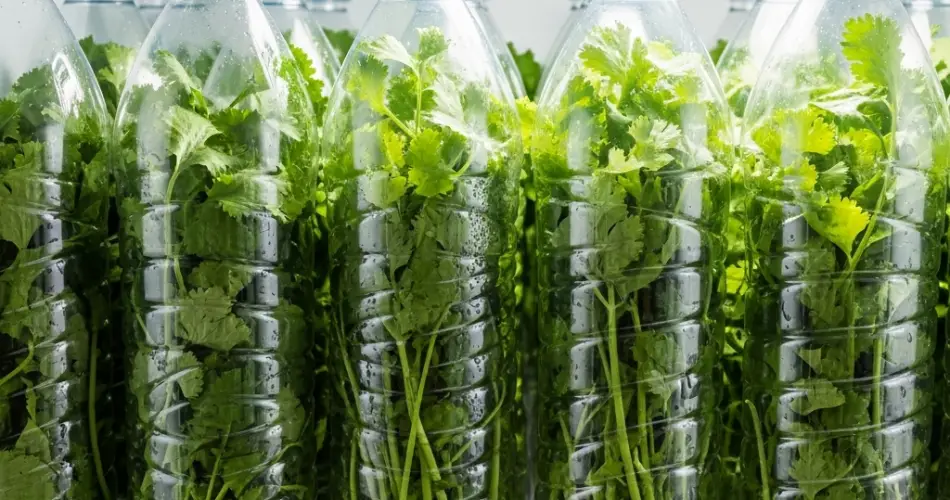
Cilantro, also known as coriander, is a beloved herb in many kitchens around the world. Its fresh, citrusy flavor enhances a variety of dishes, from salads and salsas to curries and soups. For gardeners with limited space or those who want an eco-friendly way to grow herbs, cultivating cilantro in recycled plastic bottles is a sustainable and practical option. This method allows you to maximize space, reduce plastic waste, and enjoy a continuous supply of fresh cilantro year-round.
Here’s a comprehensive guide to growing cilantro sustainably using plastic bottles, with tips that make the process simple and rewarding.
Why Grow Cilantro in Bottles?
Growing cilantro in recycled plastic bottles offers several benefits:
-
Sustainability: Repurposing plastic bottles helps reduce environmental waste.
-
Space Efficiency: Perfect for small balconies, kitchen windowsills, or compact gardens.
-
Controlled Growth Environment: Bottles retain moisture and warmth, supporting healthy herb growth.
-
Easy Monitoring: Transparent bottles allow you to track root and soil conditions.
-
Accessibility: This method is inexpensive and accessible to gardeners at all skill levels.
Materials You’ll Need
-
Clean, empty clear plastic bottles (1 or 2 liters)
-
Sharp scissors or a craft knife
-
Potting soil or seed-starting mix
-
Cilantro seeds
-
Water
-
Spray bottle for misting
-
String or hooks (if hanging)
-
Labels or markers
Step 1: Preparing Your Plastic Bottles
Start by washing the bottles thoroughly and removing any labels. Clear bottles make it easier to monitor plant health.
Using scissors or a craft knife, cut the bottle horizontally about one-third from the top. The bottom half will serve as the planter, while the top can be inverted to create a humidity dome or used as a funnel for watering.
Poke several small drainage holes in the base of the bottom half to prevent waterlogging.
Step 2: Filling and Sowing
Fill the bottom portion of the bottle with moist potting soil or seed-starting mix, leaving about an inch of space from the rim.
Sow cilantro seeds evenly across the soil surface, then cover lightly with about 0.5 cm (¼ inch) of soil.
Water gently using a spray bottle or watering can, ensuring the soil is moist but not soggy.
Step 3: Positioning and Care
Place the bottle planter in a location that receives at least 4 to 6 hours of sunlight daily. Cilantro prefers bright, indirect light, making a windowsill an ideal spot.
Maintain consistent moisture by watering regularly, but avoid waterlogging. Use a spray bottle to mist the soil surface and leaves to increase humidity.
If using the inverted bottle top as a dome, remove it once seedlings emerge to prevent mold and allow air circulation.
Step 4: Supporting Growth
Cilantro grows quickly, so thin seedlings to about 10 to 15 cm (4 to 6 inches) apart to provide ample room for leaf development.
Harvest cilantro leaves regularly by snipping the outer leaves near the base. This encourages bushier growth and extends the harvest period.
Step 5: Reusing and Recycling
Once your cilantro has matured or the soil is depleted, consider reusing the bottle planter by refreshing the soil and sowing new seeds. This cycle promotes sustainability and minimizes waste.
If the bottle becomes too worn or damaged, recycle it properly according to your local guidelines.
Tips for Successful Cilantro Growth in Bottles
-
Use fresh seeds to ensure better germination rates.
-
Avoid overwatering to prevent root rot; ensure drainage holes remain clear.
-
Maintain moderate temperatures between 18°C and 24°C (65°F to 75°F), as cilantro thrives in cooler conditions.
-
Rotate the bottle planters regularly for even sunlight exposure.
-
Use organic potting mixes free of chemical fertilizers to grow healthier herbs.
Advantages of Sustainable Bottle Growing
-
Eco-conscious gardening: Helps reduce single-use plastic pollution by repurposing bottles.
-
Cost savings: Eliminates the need to purchase pots or planters.
-
Flexibility: Bottles can be hung, placed on shelves, or arranged creatively to fit your space.
-
Continuous supply: Quick-growing cilantro allows for successive plantings and continuous harvest.
-
Educational: This method is excellent for teaching children and beginners about sustainable gardening.
Common Challenges and How to Overcome Them
-
Leggy seedlings: Ensure your plants receive enough light to prevent spindly growth.
-
Mold or mildew: Remove humidity domes promptly and maintain good airflow.
-
Slow germination: Soak seeds overnight before planting to improve sprouting.
-
Pest problems: Keep an eye out for aphids or spider mites and treat naturally with neem oil or insecticidal soap if necessary.
Conclusion
Growing cilantro in recycled plastic bottles is a practical, sustainable way to enjoy fresh herbs year-round while minimizing your environmental impact. This innovative method offers a simple approach for gardeners with limited space and those interested in eco-friendly gardening practices.
By following these bottle growing tips, you can cultivate vibrant, healthy cilantro plants that enhance your cooking and support sustainable living. Whether you’re a novice or seasoned gardener, this approach brings freshness, convenience, and environmental awareness right to your kitchen or balcony.


