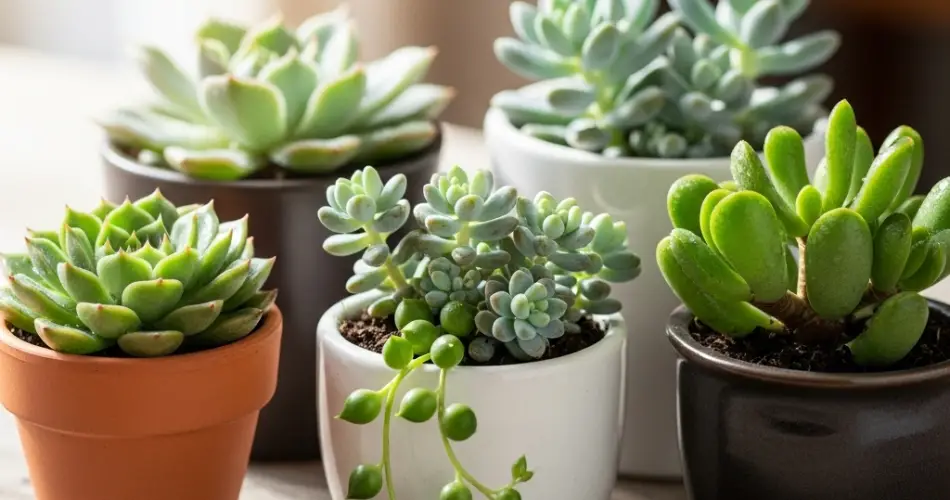
Succulents have captured the hearts of plant lovers worldwide, not only for their unique appearance and low-maintenance care but also for their rich symbolism and cultural significance. These hardy plants, capable of storing water in their thick leaves, stems, or roots, are often seen as emblems of resilience, endurance, and adaptability. Across different cultures and historical periods, succulents have been imbued with various meanings and used in practices ranging from spiritual rituals to decorative artistry. Understanding these stories adds depth to the appreciation of these charming plants beyond their aesthetic value.
Symbolism of Succulents
Succulents symbolize endurance and tenacity because of their ability to thrive in arid, challenging environments. Their water-storing capabilities represent the idea of preserving life and energy in difficult circumstances. Many people keep succulents indoors as reminders of perseverance and the importance of conserving resources, both in nature and in daily life.
Additionally, succulents often represent:
-
Prosperity and wealth: In Feng Shui, certain succulents, like the jade plant, are considered lucky symbols for attracting financial success.
-
Love and lasting relationships: Some succulents, due to their slow and steady growth, are associated with enduring love and commitment.
-
Protection and healing: In various folk traditions, succulents were planted near homes to ward off negative energy or used in remedies for minor skin ailments.
These symbolic meanings make succulents popular not only as decorative plants but also as thoughtful gifts for special occasions.
Cultural Significance
Succulents have a long history of cultural importance across the globe:
-
Ancient Egypt: Certain succulent varieties, such as aloe vera, were valued for their medicinal properties and used in skincare, healing, and religious rituals. Aloe gel was even buried with pharaohs to preserve their skin in the afterlife.
-
Native American traditions: Indigenous peoples used succulents like agave for food, fiber, and ceremonial purposes, recognizing both their practical and symbolic value.
-
Asian practices: In China and Japan, succulents are incorporated into Feng Shui and bonsai arrangements, promoting positive energy, balance, and prosperity in homes and offices.
These cultural associations show how succulents have been more than ornamental; they have been integrated into daily life, spirituality, and artistry.
Decorative and Practical Uses
Modern gardeners and interior designers embrace succulents for both beauty and practicality:
-
Indoor décor: Their varied shapes, colors, and textures make succulents ideal for tabletop displays, wall gardens, and terrariums.
-
Outdoor landscaping: Succulents are drought-tolerant and low-maintenance, making them perfect for xeriscaping and rock gardens.
-
Craft and art projects: Succulent arrangements, wreaths, and living walls serve as both artistic expressions and functional décor, often imbued with symbolic meanings depending on the context.
Their versatility ensures that succulents remain popular across different design styles, from minimalist modern interiors to traditional outdoor gardens.
Succulents in Contemporary Symbolism
In contemporary culture, succulents often represent mindfulness and self-care. The act of nurturing a succulent encourages patience, attentiveness, and appreciation of slow, steady growth. They also symbolize sustainability and eco-conscious living due to their low water requirements and resilience, reflecting a broader cultural shift toward environmentally responsible practices.
Many people incorporate succulents into events such as weddings, anniversaries, and housewarmings. As gifts, they convey wishes for longevity, prosperity, and stability, making them meaningful tokens beyond their visual appeal.
Conclusion
Succulents are more than just attractive plants; they carry deep symbolism, cultural significance, and practical uses that span centuries and continents. From representing resilience, prosperity, and love to serving in traditional medicine, rituals, and decorative art, succulents have earned a place not only in homes and gardens but also in human stories and traditions.
Understanding their symbolism and cultural roles enriches the experience of growing and caring for succulents, allowing plant lovers to appreciate these hardy plants on a deeper level. Whether displayed indoors, cultivated outdoors, or gifted to loved ones, succulents continue to inspire creativity, mindfulness, and connection across cultures. Their enduring charm lies not only in their beauty and hardiness but also in the rich meanings they carry, making every succulent a small, living emblem of resilience, balance, and life’s enduring rhythms.


