Cleaning the house can be a tiring and time-consuming task—especially when you don’t have the right products at hand. Among all the rooms, the bathroom is undoubtedly the one that demands the most attention when it comes to hygiene. Constant exposure to moisture makes it the ideal environment for the accumulation of dirt, bacteria, and, above all, limescale. Fortunately, there’s a simple, affordable, and eco-friendly product you probably already have in your kitchen that can solve the problem: white vinegar.
Why Limescale Forms and Where It Hides
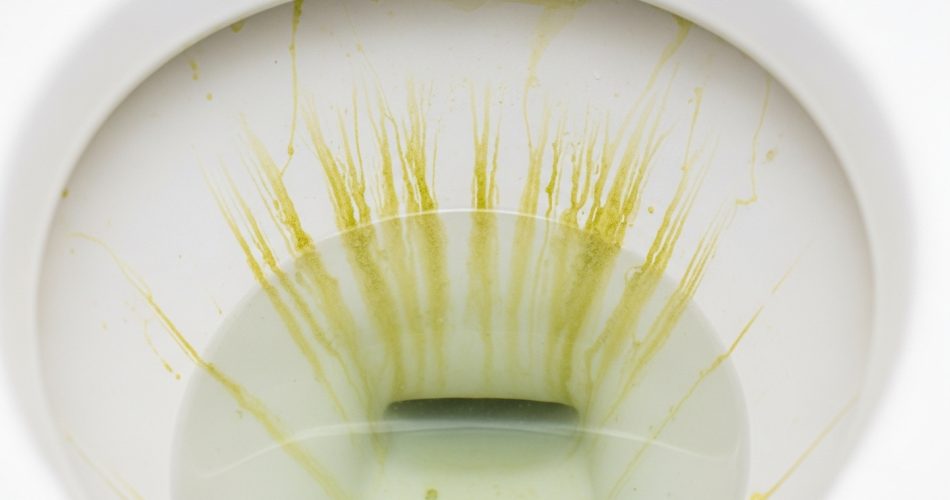
Limescale forms wherever water evaporates, leaving behind calcium and magnesium deposits. Over time, these minerals build up into stubborn white or brownish stains that are difficult to remove. In the bathroom, the toilet bowl is the area most prone to limescale buildup, as it’s constantly exposed to water and bacteria. If not cleaned regularly, these mineral deposits can harden and turn brown, making even a clean toilet look dirty.
The shower area comes in a close second. If you have glass doors, you’ve likely noticed how quickly water droplets dry into white spots, leaving a cloudy, neglected appearance. The same happens on tiles and chrome fixtures, which lose their shine and look dull over time.
While commercial cleaning products promise quick results, many are packed with harsh chemicals that are not only damaging to the environment but also release strong, irritating odors. For those looking for a natural and effective alternative, white vinegar stands out as one of the most versatile and powerful household cleaners—capable of tackling everything from grime to limescale.
White Vinegar: A Natural Cleaning Powerhouse
White vinegar is an all-around cleaning agent that can be used in countless ways around the house. Thanks to its mild acidity (acetic acid), it dissolves mineral deposits, removes soap scum, and kills many types of bacteria—all without the need for synthetic chemicals.
Let’s explore how this everyday kitchen ingredient can be used to deep-clean and disinfect your bathroom, restore shine, and even prevent future buildup.
How to Use Vinegar to Remove Limescale from the Toilet
If your toilet has dark stains or visible mineral rings, white vinegar can work wonders. Here’s how to use it:
-
Pour the vinegar directly onto the stains—focus on the areas most affected, including under the rim and at the bottom of the bowl. If the stains are below the waterline, pour a generous amount of vinegar directly into the water.
-
Let it sit for 20 to 30 minutes. During this time, the vinegar’s natural acidity will break down the mineral deposits and soften grime.
-
Scrub and rinse. Use a toilet brush, sponge, or old toothbrush to scrub the surface. Once finished, flush to rinse away any residue.
Not only does vinegar remove limescale, but it also disinfects the surface, eliminating bacteria and unpleasant odors. Repeating this process once or twice a week helps keep the toilet clean and prevents future buildup.
How to Use Vinegar on Shower Glass and Tiles
One of the most frustrating cleaning challenges in the bathroom is keeping the shower glass clear and free from water spots. Here’s a simple yet highly effective recipe that combines vinegar with another natural cleaning agent: baking soda.
For shower glass:
-
250 ml of warm water
-
2 tablespoons of white vinegar
-
2 tablespoons of baking soda
Mix these ingredients in a spray bottle. Shake gently to combine, then spray the solution evenly over the glass surface. Let it sit for about 20 minutes, allowing the solution to dissolve soap scum and limescale. Afterward, scrub with a sponge or soft cloth, rinse with warm water, and dry with paper towels or a microfiber cloth.
This method leaves your glass surfaces sparkling clean without streaks or cloudy residue.
For tiles:
If you’re cleaning bathroom tiles, you can simplify the formula by omitting the baking soda. Mix two parts vinegar to one part water and pour the solution into a spray bottle. Spray directly onto the tiles—especially where grime or mold tends to accumulate. Leave it to act for a few minutes, then scrub gently with a sponge or cloth. Finally, rinse with water and wipe dry.
This simple mixture removes limescale, kills bacteria, and prevents mold from forming in damp corners.
Vinegar Beyond the Bathroom: More Cleaning Uses
The versatility of white vinegar extends far beyond the bathroom. Here are a few additional ways you can use it throughout the house:
1. Neutralize Odors in the Refrigerator
To eliminate unpleasant smells in the fridge, pour a small amount of vinegar into a glass or bowl and leave it inside for a few hours. The vinegar absorbs and neutralizes odors naturally—no chemicals required.
2. Deodorize Rooms
In the same way, placing a small bowl of vinegar in rooms can help remove lingering smells from cooking, pets, or smoke. It’s a simple, non-toxic alternative to commercial air fresheners.
3. Soften Laundry and Boost Detergent Power
Adding a few tablespoons of white vinegar to your washing machine load can do wonders for your clothes. It acts as a natural fabric softener, removes detergent residue, and brightens fabrics. It also helps eliminate odors and prevents limescale from building up inside your washing machine, prolonging its lifespan.
4. Clean Kitchen Surfaces
White vinegar can also degrease countertops, sanitize sinks, and remove limescale from faucets and kettles. Simply mix equal parts water and vinegar in a spray bottle, apply it to the surface, let it sit briefly, and wipe clean.
An Eco-Friendly Alternative That Works
White vinegar is more than just a kitchen ingredient—it’s a powerful cleaning agent that’s eco-friendly, safe, and inexpensive. Unlike harsh chemical cleaners, it doesn’t pollute the air or harm your skin, and it’s safe to use around children and pets.
With just a bottle of vinegar, some water, and a little baking soda, you can clean your entire home—from the bathroom to the kitchen—leaving every surface fresh, shiny, and free of limescale.
So next time you face stubborn bathroom stains or cloudy glass, skip the chemical sprays. Reach for your bottle of white vinegar, and discover how this humble household staple can make your cleaning routine simpler, greener, and more effective than ever.