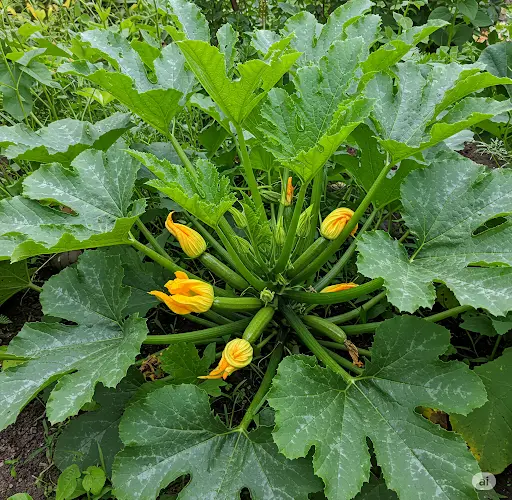
Zucchini is one of the most productive vegetables you can grow. With just a few plants, you can harvest plenty of tender, tasty fruits throughout the summer. But many gardeners are frustrated when zucchini fruits start to turn yellow, shrivel, or rot before reaching maturity. The good news is, this problem is common—and it can be fixed with a few simple adjustments to your gardening routine.
Here’s what causes zucchini to yellow and rot, and how to solve each issue for a thriving, healthy harvest.
1. Poor Pollination
The Cause:
One of the most common reasons young zucchini fruits turn yellow and fall off is poor pollination. Zucchini plants produce both male and female flowers. Female flowers (the ones with a small fruit at the base) need pollen from male flowers to grow properly. If this doesn’t happen, the fruit starts to grow but quickly yellows and rots.
The Fix:
-
Attract pollinators. Grow flowers nearby to draw in bees and other pollinators. Avoid using pesticides that harm them.
-
Hand-pollinate. Use a small paintbrush or cotton swab to transfer pollen from male to female flowers. Do this in the morning when the flowers are open.
-
Grow more plants. More zucchini plants mean more flowers and a better chance of successful pollination.
2. Blossom End Rot
The Cause:
Blossom end rot causes the bottom (blossom) end of the zucchini to turn brown or black and rot. This condition is often due to a calcium deficiency, but not necessarily because the soil lacks calcium—it’s usually caused by inconsistent watering, which prevents proper nutrient absorption.
The Fix:
-
Water consistently. Keep soil evenly moist. Avoid letting it dry out completely between waterings.
-
Mulch your plants. Add a 2–3 inch layer of straw, compost, or leaves to retain moisture and regulate soil temperature.
-
Avoid over-fertilizing. Excess nitrogen can affect calcium uptake. Use a balanced fertilizer with moderate nitrogen levels.
-
Apply calcium if needed. If your soil is deficient, add calcium-rich amendments like crushed eggshells, lime, or a calcium spray for quick absorption.
3. Overwatering and Poor Drainage
The Cause:
Too much water or poorly draining soil can lead to root problems and fruit rot. Zucchini needs moisture, but waterlogged roots can’t function properly, leading to yellowing leaves and rotting fruits.
The Fix:
-
Improve drainage. If water pools around your plants, amend the soil with compost or sand to improve drainage. Consider planting in raised beds or mounds.
-
Water deeply but less often. Instead of frequent shallow watering, soak the soil once or twice a week to encourage deep root growth.
-
Avoid wetting the foliage. Water at the base of the plant to prevent fungal diseases.
4. Disease and Fungal Infections
The Cause:
Diseases like powdery mildew, bacterial wilt, and fruit rot can cause yellowing and decay. Humid conditions, wet leaves, and poor air circulation encourage these problems.
The Fix:
-
Space your plants properly. Give zucchini plants enough room (at least 2–3 feet apart) to allow airflow.
-
Remove affected leaves or fruits. Dispose of them away from the garden to prevent spreading disease.
-
Use organic fungicides. Neem oil, baking soda spray, or sulfur-based products can help control fungal growth.
-
Water early in the day. This allows leaves to dry before nightfall, reducing the chance of fungal infection.
5. Pests and Insect Damage
The Cause:
Squash bugs, vine borers, and aphids can weaken the plant and damage developing fruits, which may lead to yellowing and decay.
The Fix:
-
Inspect plants regularly. Look under leaves for eggs, larvae, or pests.
-
Hand-pick or use traps. Remove pests manually or use sticky traps for flying insects.
-
Encourage beneficial insects. Ladybugs, lacewings, and parasitic wasps help control pest populations.
-
Apply neem oil or insecticidal soap. These treatments can deter many common garden pests without harming your plants.
6. Nutrient Deficiencies
The Cause:
Besides calcium, a lack of essential nutrients—especially nitrogen, phosphorus, and potassium—can cause weak growth, yellowing fruits, and overall poor plant health.
The Fix:
-
Use a balanced fertilizer. Apply one formulated for vegetables (e.g., 10-10-10 or 5-10-10).
-
Top dress with compost. Add compost around the base of the plant for a slow, steady nutrient release.
-
Conduct a soil test. If problems persist, a test will help identify any imbalances so you can adjust accordingly.
Final Thoughts
Zucchini is a rewarding plant when properly cared for, but yellowing and rotting fruits are a clear sign that something is off. Whether it’s a pollination issue, calcium deficiency, disease, or improper watering, identifying the cause early is key. With the right adjustments, your zucchini plants can bounce back and produce healthy, abundant fruit all season long.
Give these tips a try and enjoy a summer full of vibrant, fresh zucchini—straight from your garden.


