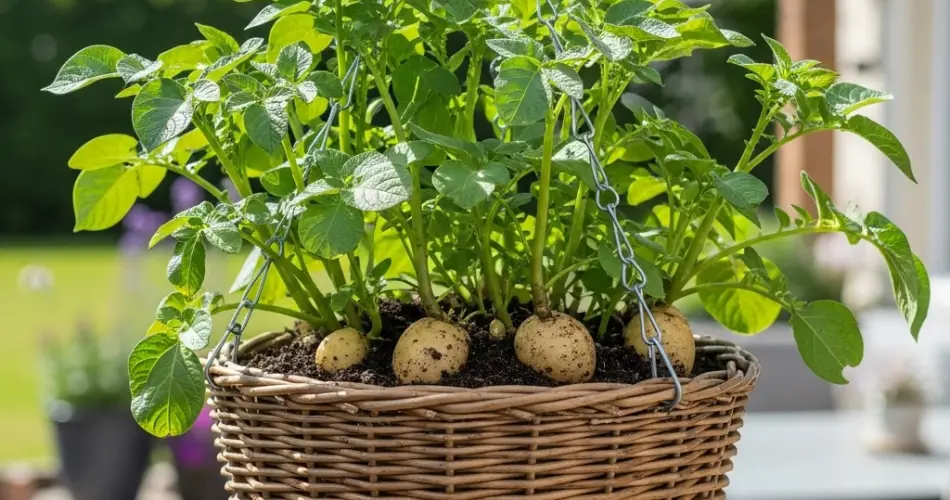
Potatoes are a versatile and rewarding crop, perfect for home gardeners seeking fresh, nutritious produce. While traditionally grown in garden beds, potatoes also thrive in baskets, making them an ideal option for small spaces, balconies, and patios. Growing potatoes in baskets is a practical solution that allows for excellent drainage, easy harvest, and a fun, hands-on gardening experience.
Basket planting is especially useful for urban gardeners or anyone with limited outdoor space. With the right setup and care, you can produce a bountiful harvest of tender, flavorful potatoes throughout the growing season, right from your own home.
Why Baskets Are Ideal for Potatoes
Baskets provide several advantages for potato cultivation:
-
Space-saving: Hanging or tabletop baskets make efficient use of vertical and horizontal space.
-
Drainage: Elevated containers prevent waterlogged soil, reducing the risk of rot and disease.
-
Ease of harvest: Baskets allow for easy access to tubers without heavy digging.
-
Pest protection: Growing above ground reduces exposure to slugs, snails, and other soil-dwelling pests.
These benefits make baskets an effective and attractive option for small-space potato gardening.
Choosing the Right Basket
Selecting the right basket is key to ensuring healthy growth and high yields:
-
Size: Choose a basket at least 12–16 inches deep and 14–16 inches wide. Potatoes need enough space for tubers to expand.
-
Material: Plastic, wire, or woven baskets lined with coconut coir, moss, or burlap work well. Linings help retain soil while allowing proper drainage.
-
Support: Ensure the basket’s handles, chains, or stands can support the combined weight of soil, water, and growing plants.
-
Drainage: Adequate holes in the basket prevent water accumulation and promote healthy root development.
A sturdy, well-chosen basket ensures optimal growing conditions and supports healthy tuber development.
Preparing Soil
Healthy, nutrient-rich soil is essential for productive potato baskets:
-
Lining: Use coconut coir, moss, or burlap to contain the soil and promote drainage.
-
Drainage layer: Add a thin layer of gravel or small stones at the bottom of the basket.
-
Soil mix: Use a loose, fertile potting mix combined with compost. Lightly adding perlite or vermiculite improves aeration and prevents compaction.
Proper soil preparation helps potatoes develop smooth, uniform tubers and reduces the risk of disease.
Planting Potatoes
Potatoes are grown from seed potatoes or small tubers:
-
Cutting seed potatoes: If using large seed potatoes, cut them into pieces with at least one or two “eyes” per piece and allow them to callus over for a day or two.
-
Planting depth: Place seed potatoes 3–4 inches deep in the soil, eyes facing up.
-
Spacing: Position 2–3 pieces per basket to ensure room for growth.
As potato plants grow, you will gradually add soil to cover emerging stems, encouraging the development of additional tubers underground.
Sunlight and Temperature
Potatoes require full sunlight and moderate temperatures to thrive:
-
Sunlight: Provide at least 6–8 hours of direct sunlight per day.
-
Temperature: Ideal growing temperatures range between 60–70°F (15–21°C).
-
Placement: Place baskets in a sunny location that is protected from strong winds.
Adequate sunlight ensures strong growth, healthy foliage, and abundant tuber development.
Watering and Care
Consistent care is essential for container-grown potatoes:
-
Watering: Keep soil evenly moist, but not waterlogged. Water regularly, especially during dry spells.
-
Earthing up: As stems grow, add additional soil or compost to cover them. This encourages tuber formation and prevents green potatoes.
-
Fertilizing: Apply a balanced liquid fertilizer every 2–3 weeks or use organic options like compost tea.
Regular attention ensures healthy plants and a high-quality harvest.
Harvesting Potatoes
Potatoes are typically ready to harvest 10–12 weeks after planting for new potatoes and 12–16 weeks for mature tubers:
-
New potatoes: Harvest when plants flower; these are small, tender, and ideal for immediate cooking.
-
Mature potatoes: Wait until foliage begins to yellow and die back, indicating the tubers are fully developed.
-
Harvest method: Simply tip the basket and gently remove the soil to collect tubers without damaging them.
Proper timing and gentle handling preserve the quality and flavor of your homegrown potatoes.
Common Challenges
-
Pests: Slugs, aphids, and potato beetles can damage plants. Natural sprays and protective covers can help.
-
Diseases: Avoid waterlogging and provide good airflow to reduce fungal infections.
-
Crowding: Ensure adequate spacing to prevent stunted growth and undersized tubers.
Monitoring plants and adjusting care ensures a productive, healthy potato crop.
Final Thoughts
Growing potatoes in baskets is a convenient, rewarding way to enjoy fresh, homegrown produce even in small spaces. By selecting the right basket, preparing fertile soil, planting carefully, and providing consistent care, you can enjoy a bountiful harvest of flavorful potatoes from your balcony, patio, or small garden.
This method maximizes vertical space while creating a productive and visually appealing feature. With proper sunlight, watering, and attention, basket-grown potatoes can provide a steady supply of nutritious, homegrown vegetables throughout the growing season.


