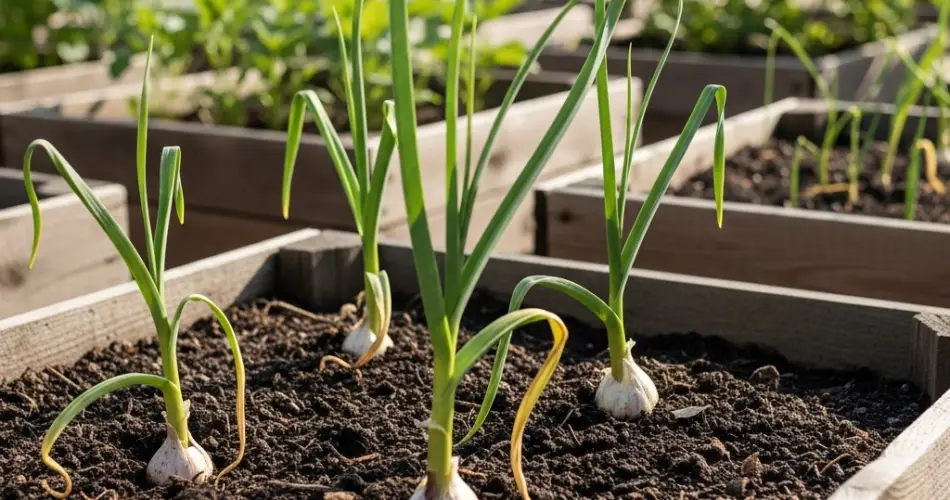
Garlic is a kitchen essential known for its robust flavor and numerous health benefits. Growing garlic at home in wooden boxes is an excellent solution for gardeners with limited space, providing a controlled environment for healthy growth. Wooden containers offer good drainage, mobility, and a rustic charm that enhances patios, balconies, or small garden spaces. By following a step-by-step approach, you can enjoy fresh, homegrown garlic year-round.
Choosing the Right Wooden Box
Selecting the right container is crucial for successful garlic cultivation. Garlic requires moderate soil depth for proper root and bulb development, so a box at least 8–12 inches deep is ideal. Untreated wood, such as cedar, redwood, or pine, naturally resists rot and avoids chemicals that could leach into the soil. Ensure your wooden box has drainage holes to prevent water accumulation, which can lead to bulb rot or fungal problems.
Preparing the Soil
Healthy, fertile soil is essential for garlic growth. Use a well-draining potting mix enriched with compost or organic fertilizer. Adding a small amount of sand or perlite improves drainage while retaining enough moisture for root development. Fill the wooden box with soil, leaving a few inches from the top to prevent overflow during watering. Rich, well-prepared soil encourages strong roots, robust leaves, and large, flavorful bulbs.
Selecting Garlic Cloves for Planting
Garlic is grown from individual cloves rather than seeds. Choose large, healthy cloves from certified disease-free bulbs, avoiding supermarket garlic treated with growth inhibitors. Separate the cloves carefully, keeping the papery skin intact. The largest cloves typically produce the most vigorous plants and sizable bulbs.
Planting Garlic Cloves
Plant garlic cloves with the pointed end facing upward, about 2 inches deep in the soil. Space cloves approximately 4–6 inches apart to allow room for bulb development. Lightly cover with soil and gently firm the surface. Water immediately after planting to settle the soil around the cloves. For a continuous harvest, consider staggered planting, spacing cloves in successive batches over a few weeks.
Sunlight Requirements
Garlic requires full sun to grow optimally. Place your wooden box in a location that receives at least six hours of direct sunlight each day. Sunlight promotes strong leaves and supports bulb development. If natural sunlight is limited, supplement with full-spectrum grow lights to ensure healthy growth indoors.
Watering and Moisture Management
Consistent moisture is essential for garlic, particularly during the early stages. Keep the soil evenly moist but avoid overwatering, which can lead to root or bulb rot. Watering in the morning allows excess moisture to evaporate during the day, reducing the risk of fungal diseases. Mulching with straw or shredded leaves helps retain moisture, regulate soil temperature, and suppress weeds.
Fertilizing Garlic
Regular feeding encourages strong growth and healthy bulb formation. Use a balanced, water-soluble fertilizer every three to four weeks, or mix slow-release organic fertilizer into the soil at planting. Compost or well-rotted manure can provide additional nutrients, ensuring robust stems, vibrant leaves, and flavorful bulbs.
Pest and Disease Management
Monitor garlic plants for common pests such as aphids and onion maggots. Inspect leaves regularly and remove pests manually or treat with mild insecticidal soap if necessary. Prevent fungal and bacterial diseases by spacing cloves properly, watering at the base instead of overhead, and maintaining good air circulation. Healthy plants produce higher-quality bulbs and better yields.
Harvesting Garlic
Garlic is ready for harvest when the lower leaves turn brown while the upper leaves remain green. Gently loosen the soil around each bulb with a garden fork and lift it out. Cure harvested bulbs in a cool, dry, well-ventilated area for several weeks to improve flavor and storage life. Once cured, trim the roots and tops, and store garlic in a dark, dry location.
Benefits of Wooden Box Garlic Gardening
Growing garlic in wooden boxes provides several advantages. Containers are portable, making it easy to move plants for optimal sunlight or protection from extreme weather. Raised boxes improve drainage, prevent soil compaction, and reduce exposure to soil-borne diseases. Additionally, wooden boxes add rustic charm to your garden or patio while providing a practical and efficient growing space.
Conclusion
Planting garlic in wooden boxes is a practical and rewarding method for home gardeners. With the right container, fertile soil, consistent watering, proper sunlight, and attentive care, garlic plants will thrive, producing flavorful bulbs year-round. Wooden box gardening combines functionality with aesthetic appeal, making it an ideal choice for small-space and urban gardening. By following these step-by-step instructions, you can enjoy fresh, homegrown garlic while enhancing the beauty and productivity of your outdoor or indoor garden space.


