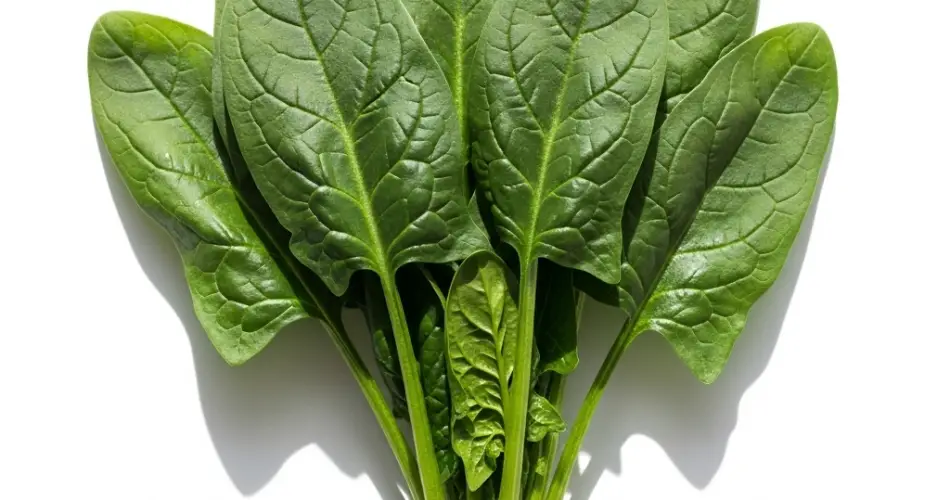
Spinach is a nutrient-packed leafy green that thrives in cooler temperatures and delivers a rich harvest when grown under the right conditions. While it’s generally easy to grow, achieving large, deep green leaves takes more than just putting seeds in the ground. The key to success lies in understanding spinach’s preferences—from soil preparation and watering techniques to the timing of planting and proper nutrition.
If you’ve ever ended up with stunted or pale leaves, you’re not alone. But with the tips outlined below, you’ll soon be harvesting vibrant, healthy spinach from your garden.
Choose the Right Variety
There are several spinach varieties, and the type you choose can significantly impact the size and quality of the leaves. For larger, smooth leaves, look for varieties like ‘Bloomsdale Long Standing’ or ‘Giant Noble.’ If you’re in a warm region, consider heat-tolerant options like ‘Tyee’ or ‘Space,’ which resist bolting and maintain leaf size even in rising temperatures.
Plant at the Right Time
Spinach prefers cool weather. For optimal growth, plant seeds in early spring or late summer. In most regions, fall-grown spinach produces the best leaves because the plant matures in cooler weather, which encourages lush, tender growth.
Planting too late in spring or during the heat of summer often leads to premature bolting—a process where the plant sends up a flower stalk and stops producing quality leaves. Once bolting begins, the leaves turn bitter and growth slows dramatically.
Prepare Nutrient-Rich Soil
Spinach is a leafy green, and like most greens, it thrives in nitrogen-rich soil. Start by working in well-rotted compost or aged manure into your garden bed to improve soil structure and fertility. For the best results, ensure the soil is:
-
Loose and well-draining: Spinach roots don’t like compacted soil.
-
Rich in organic matter: Compost improves moisture retention and provides nutrients.
-
Slightly acidic to neutral pH: A pH between 6.0 and 7.0 is ideal.
For extra nutrition, you can top-dress with a balanced organic fertilizer or use fish emulsion during the growing season to keep the plants well-fed.
Space Plants Correctly
Giving your spinach enough room to grow is essential for developing broad, healthy leaves. Overcrowding leads to poor air circulation, smaller leaves, and an increased risk of disease.
Sow seeds about half an inch deep and thin seedlings to 3–5 inches apart once they sprout. If you’re planting in rows, space the rows 12–18 inches apart to allow easy access and good airflow.
Water Consistently and Mulch
Spinach loves moisture but doesn’t do well in soggy conditions. Water consistently, aiming to keep the soil evenly moist without letting it dry out or become waterlogged. Typically, about 1 inch of water per week is enough, depending on your climate and soil type.
Mulching around your spinach plants helps in multiple ways:
-
Retains soil moisture
-
Keeps the roots cool
-
Suppresses weeds
-
Prevents soil splashing onto leaves, reducing disease risk
Use straw, shredded leaves, or compost as mulch around your plants.
Harvest Strategically
For continuous growth, harvest the outer leaves first, allowing the inner ones to keep developing. This “cut-and-come-again” method encourages the plant to produce more leaves and extends the harvest season.
Wait until the leaves are at least 3–4 inches long before harvesting. Avoid letting them get too large, as older leaves can become tough and bitter.
If you notice the plant is beginning to bolt—look for a central stem growing taller than the rest—it’s best to harvest the entire plant before the leaves lose their flavor and texture.
Provide Shade in Hot Weather
If you’re growing spinach in a warm climate or during a warm spell, offering partial shade can help reduce stress and delay bolting. Use row covers, shade cloth, or even a strategically placed taller plant to shield spinach from the harshest afternoon sun.
Watch for Pests and Diseases
Aphids, leaf miners, and fungal diseases like downy mildew can affect spinach. Inspect your plants regularly and remove any damaged leaves. You can spray neem oil or use insecticidal soap for aphids. Floating row covers can help prevent pest infestations from the start.
Keeping plants well-spaced, watering at the base, and avoiding overhead watering will also reduce the risk of fungal issues.
Final Thoughts
Growing bigger, greener spinach leaves isn’t complicated—it just takes some attention to timing, soil quality, and plant care. By selecting the right variety, planting during the ideal season, feeding your plants properly, and maintaining consistent moisture, you’ll set your spinach up for success. A little bit of planning goes a long way toward harvesting lush, vibrant greens straight from your own garden.


