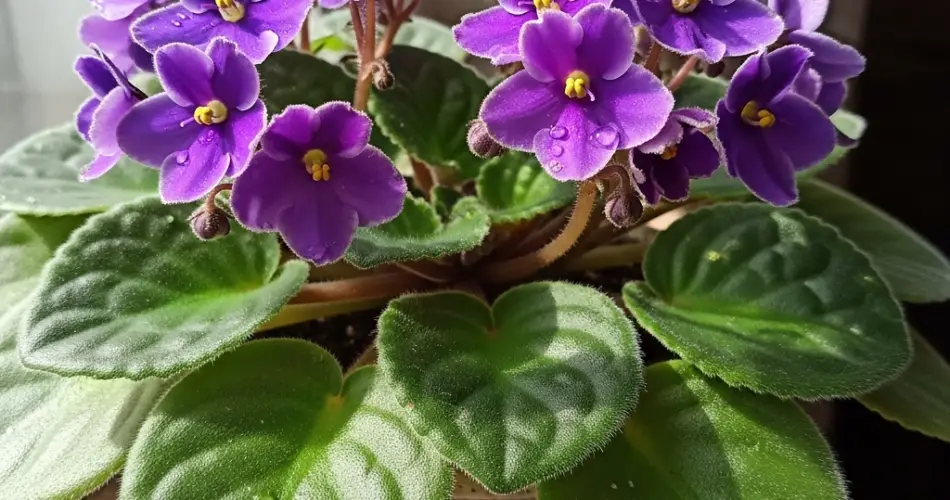
African violets (Saintpaulia spp.) are cherished for their velvety leaves and delicate, colorful blooms. Their compact size and stunning flowers make them a favorite for windowsills, indoor gardens, and office spaces. While relatively easy to care for, these plants are highly sensitive to watering practices. Overwatering or allowing water to touch the leaves can lead to leaf spotting, root rot, or poor flowering. Understanding how to water African violets correctly is essential for maintaining soft petals, strong roots, and healthy, thriving plants.
Understanding African Violet Water Needs
African violets prefer evenly moist, well-draining soil. Their roots require consistent moisture without being waterlogged. Too much water can suffocate roots and encourage fungal problems, while too little water can cause leaves to droop, curl, or develop brown edges. The key to successful watering is maintaining a balance that supports growth while protecting both foliage and roots.
-
Roots: Healthy roots absorb nutrients and water efficiently. Waterlogged roots may rot, leading to plant decline.
-
Leaves: Leaves are sensitive to water on their surfaces. Direct water can cause spotting or decay, particularly on velvety foliage.
-
Flowers: Proper soil moisture encourages consistent blooming and prolongs flower life.
By addressing these factors, you can ensure both leaf vitality and abundant flowering.
Best Watering Techniques
Several watering methods work well for African violets:
Bottom Watering
Bottom watering is often the safest and most effective approach:
-
Place the plant in a saucer or tray of water and allow the soil to draw water upward through capillary action.
-
Let the plant absorb water for 15–30 minutes, then remove excess water from the tray to prevent standing water.
-
This method prevents water from touching leaves, reducing the risk of spots or rot.
Top Watering
Top watering is suitable if done carefully:
-
Use room-temperature water to avoid shocking roots.
-
Water gently around the base of the plant, avoiding contact with leaves.
-
Apply water until it begins to drain from the bottom, ensuring even soil moisture.
Self-Watering Containers
Self-watering pots provide consistent moisture:
-
They maintain soil hydration through a reservoir, reducing frequent watering.
-
Monitor soil to prevent over-saturation and periodically flush to prevent salt buildup.
Each method has advantages, but all require attention to avoid overwatering and to maintain root health.
Tips for Watering Success
-
Check soil moisture: Insert your finger about one inch into the soil. Water only when the soil feels slightly dry.
-
Use lukewarm water: Cold water can shock roots, while hot water may damage them.
-
Water in the morning: Morning watering allows foliage to dry during the day, preventing fungal growth.
-
Maintain drainage: Ensure pots have adequate drainage to prevent standing water and root rot.
These practices help maintain a balance that promotes strong roots and healthy foliage.
Environmental Considerations
Watering practices work best when paired with the right environmental conditions:
-
Light: Place African violets in bright, indirect light. Adequate light supports photosynthesis and encourages flowering.
-
Humidity: Moderate indoor humidity (40–60%) helps prevent leaf desiccation and supports nutrient uptake.
-
Temperature: Keep daytime temperatures between 65–75°F (18–24°C) and nighttime temperatures above 60°F (16°C). Avoid cold drafts or hot spots near heaters.
Combining proper watering with suitable light, humidity, and temperature creates an optimal environment for growth and flowering.
Common Watering Mistakes to Avoid
-
Overwatering: Leads to root rot, yellowing leaves, and wilting flowers.
-
Water on leaves: Can cause brown or translucent leaf spots and fungal issues.
-
Using cold water: Shocks roots and slows growth.
-
Ignoring seasonal needs: African violets grow more slowly in winter and require less frequent watering.
Awareness of these pitfalls helps prevent common problems and ensures long-term plant health.
Encouraging Blooming
Consistent, careful watering directly influences flowering:
-
Adequate soil moisture provides energy for buds and flowers.
-
Avoiding water stress prevents premature flower drop.
-
Combine watering with balanced fertilization during the growing season to enhance bloom quality.
Healthy watering habits allow African violets to maintain vibrant flowers and robust foliage.
Final Thoughts
Watering African violets correctly is essential for preserving their soft petals and strong roots. Whether using bottom watering, careful top watering, or self-watering pots, the goal is to provide consistent soil moisture while protecting delicate foliage. Paired with proper light, humidity, and temperature, attentive watering ensures these indoor treasures thrive, producing lush leaves and abundant blooms. By mastering watering techniques, gardeners can enjoy vibrant, long-lasting African violets that bring beauty and life to any indoor space.


