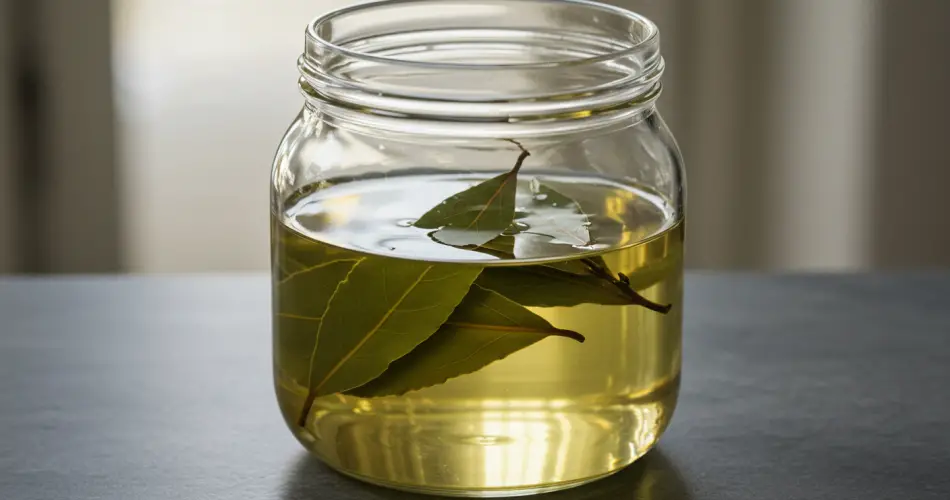
Have you ever tried putting bay leaves in vinegar? This simple yet powerful culinary trick has been passed down through generations and was often recommended by grandmothers. Beyond its aromatic charm, bay leaf-infused vinegar adds a unique depth of flavor to your dishes, making it a versatile and valuable ingredient in every kitchen.
Understanding Bay Leaves
Bay leaves come from the bay laurel tree (Laurus nobilis), a Mediterranean evergreen belonging to the Lauraceae family. While the tree can grow up to 20 meters tall, it is commonly found in smaller shrub-like forms suitable for home gardens. Its bark is grayish, and the leaves are smooth, glossy, and oval-shaped.
Bay leaves are more than just a culinary ingredient—they hold a historical and symbolic significance. In ancient Rome, the laurel tree was considered sacred, symbolizing wisdom, glory, and honor. This tradition lives on today in the form of the laurel wreath, awarded to graduates as a symbol of achievement and knowledge.
Uses of Bay Leaves
Bay leaves are widely recognized for their culinary and medicinal applications. In cooking, they are typically paired with red meats, fish, and stews, releasing a subtle aromatic flavor when simmered. They are also used to create herbal liqueurs, infused salts, and oils that enhance the aroma and taste of various dishes.
In herbal medicine, bay leaves are valued for their digestive and antiseptic properties. They are often used in teas, infusions, and tinctures to support digestion, alleviate respiratory discomfort, and promote overall wellness. Beyond the kitchen and medicine cabinet, bay leaves have been associated with spiritual and mental well-being, symbolizing clarity and protection.
Bay Leaf Vinegar: A Culinary Innovation
One of the simplest and most effective ways to use bay leaves in the kitchen is to infuse them into vinegar. This process transforms ordinary vinegar into a flavorful condiment, perfect for salads, marinades, and various recipes. The resulting vinegar carries a delicate herbal aroma, enhancing dishes without overpowering them.
Ingredients Needed
To prepare bay leaf-infused vinegar, you will need:
-
1 liter of white vinegar
-
15 fresh bay leaves
Ensure the bay leaves are clean and dry before use. Fresh leaves will impart the strongest aroma, though dried leaves can also work if fresh ones are unavailable.
Step-by-Step Preparation
-
Warm the Vinegar: Gently heat the white vinegar for a few minutes. Avoid boiling it, as excessive heat can diminish the flavor and volatile compounds of the bay leaves.
-
Add the Bay Leaves: Place the cleaned bay leaves into the warm vinegar. Let them steep, allowing the aromatic oils of the leaves to infuse thoroughly into the liquid.
-
Cool and Store: Once the vinegar has cooled slightly, pour it into a clean, airtight bottle. Store it in a cool, dry place for 3 to 4 weeks. During this time, the vinegar will fully absorb the bay leaf aroma and develop a nuanced flavor.
-
Filter and Use: After the infusion period, filter the vinegar to remove the leaves and any sediment. The resulting bay leaf vinegar is ready for culinary use and can be stored for months in a sealed bottle.
Versatility and Creative Variations
While bay leaves are classic and timeless, this infusion method can be adapted to other herbs and flavors. Some popular variations include:
-
Herbal Vinegars: Rosemary, thyme, sage, oregano, lavender, or elderflower can be used instead of—or alongside—bay leaves to create unique herb-infused vinegars.
-
Fruit-Infused Vinegars: Citrus fruits such as lemons, oranges, or limes can add a bright, tangy flavor. Berries like raspberries or blackberries provide a slightly sweet and aromatic twist.
Experimenting with different combinations allows home cooks to craft vinegars tailored to their favorite recipes, offering both aesthetic appeal and enhanced taste.
Practical Tips for Best Results
-
Choose High-Quality Vinegar: A mild white or apple cider vinegar works best, as it allows the herbal or fruit flavors to shine without being overpowered.
-
Use Fresh Herbs and Fruits: Fresh ingredients release more aromatic oils, resulting in a more fragrant and flavorful infusion.
-
Patience is Key: Allow sufficient time for the vinegar to steep. While it’s tempting to use it immediately, longer infusion periods produce a richer, more balanced flavor.
-
Proper Storage: Keep the bottle away from sunlight and heat sources to maintain the integrity of the flavors and prevent spoilage.
Culinary Applications
Bay leaf-infused vinegar is incredibly versatile. It can be used to:
-
Dress salads and raw vegetables with a subtle herbal note
-
Marinate meats, poultry, and seafood for enhanced depth of flavor
-
Add a unique touch to sauces, dips, and vinaigrettes
-
Preserve vegetables, such as cucumbers or onions, in pickling recipes
Not only does this infusion enhance taste, but it also introduces the natural health benefits of bay leaves into everyday meals, supporting digestion and adding antioxidants to your diet.
Conclusion
Infusing vinegar with bay leaves is a simple, time-honored practice that combines culinary creativity with healthful benefits. This method transforms a common pantry staple into a flavorful, aromatic, and versatile ingredient suitable for a variety of dishes. By following a few straightforward steps—heating, steeping, storing, and filtering—you can create your own artisanal vinegar at home.
Moreover, experimenting with other herbs, fruits, and spices expands your culinary possibilities, allowing you to craft unique flavors for every season and occasion. This humble practice, rooted in tradition, is a testament to the ingenuity of home cooks and the enduring wisdom of grandmothers who understood the power of simple, natural ingredients.
Bay leaf-infused vinegar is more than just a condiment—it is a flavorful tribute to the rich heritage of Mediterranean cuisine and an easy way to elevate everyday cooking with aromatic elegance.