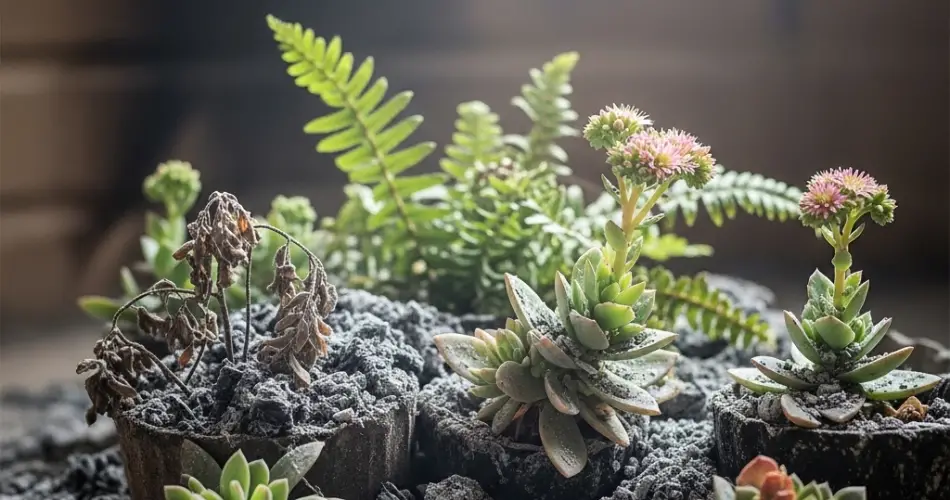
If you enjoy using a wood-burning fireplace or stove, you’re probably familiar with the pile of ash that builds up over time. While it might seem like a useless byproduct, wood ash is actually a valuable resource in the garden. Packed with essential minerals, fireplace ash can improve soil quality, repel pests, and even reduce disease when used wisely.
Gardeners have used wood ash for centuries as a natural fertilizer and soil conditioner. However, it must be applied with care—too much can alter soil chemistry and harm your plants. This article explores the safe and effective ways to use fireplace ash in your backyard garden to enhance plant growth, balance soil pH, and promote a healthier, more productive space.
What’s in Wood Ash?
Wood ash is what remains after wood is burned completely. Its composition depends on the type of wood burned, but generally includes:
-
Potassium (K): Essential for flower and fruit development.
-
Calcium (Ca): Supports strong cell walls and root development.
-
Magnesium (Mg) and Phosphorus (P): Crucial for photosynthesis and plant energy.
-
Micronutrients: Including iron, zinc, and manganese in trace amounts.
Ash from hardwoods (like oak or maple) contains more nutrients than softwoods (like pine). It’s also important to note that only untreated, natural wood should be used—ash from painted, stained, or chemically treated wood can be toxic to plants.
1. Use as a Soil Amendment
Wood ash is alkaline, meaning it can help raise soil pH levels—ideal for neutralizing acidic soils. If your garden soil is too acidic (below pH 6.0), adding wood ash can help restore balance and improve nutrient availability.
How to use:
-
Sprinkle ash thinly over your garden soil (no more than 20 lbs per 1,000 square feet per year).
-
Mix it lightly into the topsoil to prevent runoff.
-
Test your soil pH before applying; if it’s already neutral or alkaline, skip the ash.
Best for: Vegetables like broccoli, cabbage, kale, and spinach that prefer slightly alkaline soil.
2. Fertilize Fruit Trees and Perennials
Because wood ash contains potassium and calcium, it benefits fruiting and flowering plants that require these nutrients for optimal growth.
Application tips:
-
Apply 1–2 cups of ash around the drip line of fruit trees or large perennials.
-
Gently work it into the soil and water well.
-
Use once or twice per growing season.
Avoid getting ash directly on plant stems or leaves, as it may cause damage.
3. Boost Your Compost Pile
Wood ash is an excellent addition to compost bins. It adds valuable minerals and helps maintain a balanced pH, especially if your compost is heavy in acidic materials like coffee grounds, fruit peels, or pine needles.
How to incorporate:
-
Sprinkle a thin layer of ash every 6–8 inches as you build your compost pile.
-
Don’t add too much at once—ash is alkaline and may disrupt microbial activity if overused.
4. Repel Garden Pests Naturally
Ash can act as a physical barrier against some soft-bodied insects and crawling pests like slugs and snails. The fine powder irritates their bodies and discourages them from crossing treated areas.
Use as a barrier:
-
Create a thin ash ring around the base of vulnerable plants.
-
Reapply after rain or heavy watering, as ash loses effectiveness when wet.
5. Deodorize Garden Paths and Pet Areas
Ash has natural odor-neutralizing properties. You can use it to reduce smells in areas frequented by pets or where composting takes place.
How to use:
-
Sprinkle ash lightly over outdoor pet areas or garden pathways.
-
Sweep it into gravel or soil to mask unpleasant odors.
6. Clean and Sanitize Garden Tools
Baking soda isn’t the only natural cleaner—wood ash mixed with a bit of water can also be used to polish and sanitize metal gardening tools.
Instructions:
-
Mix ash with water to form a paste.
-
Use a cloth or brush to scrub dirt, rust, and residue from tools.
-
Rinse well and dry to prevent corrosion.
This method is especially helpful during end-of-season cleanup.
Important Cautions When Using Ash
While wood ash is useful, moderation is essential:
-
Avoid overuse. Too much can raise soil pH too high, which limits nutrient absorption.
-
Don’t use around acid-loving plants. Blueberries, azaleas, rhododendrons, and potatoes prefer acidic soil and may suffer if exposed to wood ash.
-
Always use clean ash. Only apply ash from untreated, unpainted, and chemical-free wood.
If in doubt, conduct a simple soil pH test before adding ash to your garden.
Final Thoughts
Fireplace ash is a hidden gardening gem that, when used wisely, can enrich your soil, support plant health, and deter pests naturally. Instead of throwing it away, put your wood ash to work in the garden. With just a few precautions and thoughtful application, this natural byproduct can become an eco-friendly ally in your backyard gardening routine.
So the next time you clean out your fireplace, consider setting that ash aside. Your plants might thank you for it.


