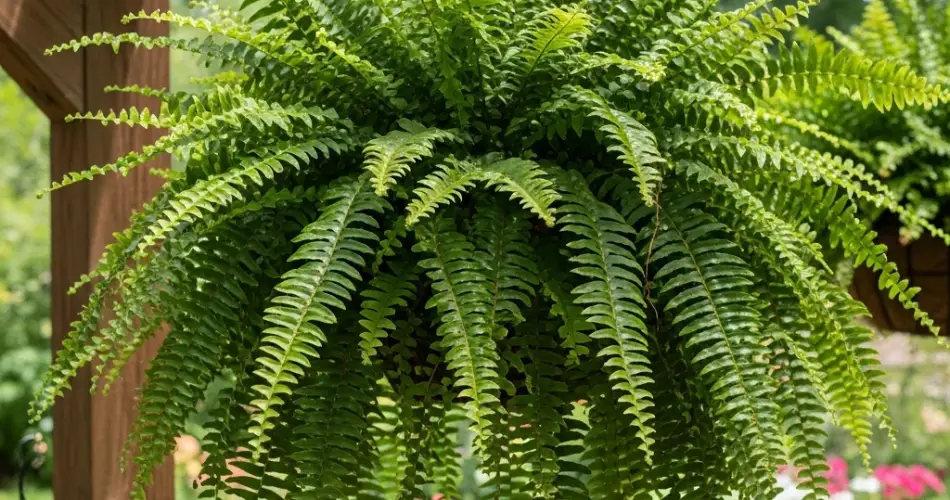
Ferns are a timeless favorite for indoor and patio gardening, valued for their delicate, lacy fronds and lush, green appearance. Whether displayed in traditional pots or suspended in hanging baskets, ferns require careful watering to thrive. Their natural preference for consistently moist soil means that both under- and overwatering can cause stress, resulting in drooping, browning, or wilting foliage. Developing smart watering habits tailored to the plant’s container type ensures healthy growth and vibrant fronds year-round.
Understanding Fern Water Needs
Ferns naturally grow in humid, shaded forest environments with consistently damp soil. Indoors or on patios, these conditions must be mimicked for optimal health:
-
Consistent moisture: Ferns need evenly moist soil. Allowing the soil to dry completely can lead to wilting or brown fronds.
-
Drainage: Excess water must be able to escape to prevent root rot. Both pots and hanging baskets require proper drainage systems.
-
Humidity: Ferns thrive in humid environments. Dry indoor air or windy outdoor conditions can cause fronds to curl or brown at the edges.
Recognizing these requirements is the first step in establishing effective watering habits.
Choosing the Right Potting Medium and Container
The container and soil mix influence how water is retained and distributed:
-
Soil mix: Use a lightweight, well-draining mix designed for ferns. A combination of peat moss, perlite, and compost retains moisture while preventing waterlogging. Avoid dense garden soil that can compact and suffocate roots.
-
Pot or basket type: Ensure containers have drainage holes to allow excess water to escape. Hanging baskets may dry out more quickly due to airflow, so choose a soil mix that retains some moisture and consider a liner that holds water without saturating the roots.
A proper container and soil combination lays the foundation for consistent moisture and healthy growth.
Watering Techniques for Potted Ferns
Potted ferns are generally more stable in terms of soil moisture than hanging baskets, but still require careful attention:
-
Top watering: Water evenly around the base of the fern until excess drains from the bottom. Avoid splashing water directly onto the fronds to reduce the risk of fungal disease.
-
Check soil moisture: Insert a finger one inch into the soil. Water when the top layer feels slightly dry. Adjust frequency based on temperature and humidity.
-
Consistent routine: During warmer months, potted ferns may require more frequent watering, while in cooler months, reduce watering to prevent oversaturation.
Regular monitoring ensures the soil remains moist without becoming soggy.
Watering Techniques for Hanging Baskets
Hanging baskets pose unique challenges because they tend to dry out faster due to airflow and exposure:
-
Frequent checks: Check soil moisture daily, especially in hot or windy conditions.
-
Deep watering: Water thoroughly until water drains from the bottom of the basket. Ensure water reaches the root zone rather than just wetting the top layer.
-
Use water-retentive liners: Coco liners or moss liners can help maintain moisture longer while still allowing drainage.
-
Adjust frequency: In hot, dry conditions, hanging baskets may need watering once or twice a day, while in cooler weather, watering can be less frequent.
These strategies prevent dehydration while avoiding waterlogging in elevated containers.
Enhancing Humidity
Ferns benefit from higher humidity, which can be a challenge for both pots and hanging baskets:
-
Indoor humidity trays: Place a shallow tray of water near potted ferns to boost local humidity.
-
Grouping plants: Position multiple plants together to create a microenvironment with higher moisture levels.
-
Misting: Lightly mist fronds in the morning, especially for hanging ferns exposed to wind or dry air. Avoid over-misting, which can promote fungal growth.
Maintaining adequate humidity keeps fronds lush and prevents leaf tip browning.
Seasonal Considerations
Watering needs change with seasonal shifts:
-
Spring and summer: Warm temperatures and active growth increase water requirements. Monitor soil moisture closely, especially for hanging baskets.
-
Fall and winter: Cooler temperatures and slower growth reduce water needs. Allow the top layer of soil to dry slightly between waterings to prevent root rot.
Adapting watering routines to seasonal conditions supports consistent growth and foliage health.
Monitoring and Maintenance
-
Observe fronds: Drooping or yellowing fronds indicate stress from under- or overwatering. Adjust watering practices accordingly.
-
Prune damaged foliage: Remove brown or wilted fronds to redirect energy toward healthy growth.
-
Consistent care: Regularly check soil moisture and adjust watering schedules as needed.
By staying attentive to these signs, you can maintain healthy, vibrant ferns in any container.
Final Thoughts
Smart watering habits are essential for keeping ferns in pots and hanging baskets lush and thriving. Selecting well-draining soil, choosing appropriate containers, and monitoring moisture consistently ensures fronds remain vibrant and healthy. Incorporating humidity support, adjusting watering seasonally, and pruning damaged foliage further enhances the plant’s vitality. With these strategies, both potted and hanging ferns can flourish, bringing natural beauty and a refreshing green presence to your indoor or outdoor spaces.


