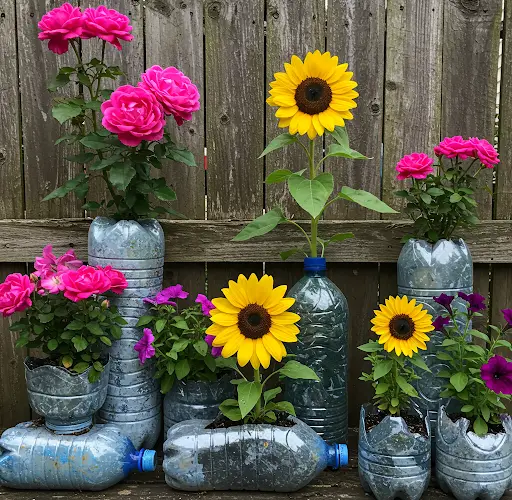
Smart Idea for Plastic Bottles: Recycling Plastic Bottles into Flower Pots
Plastic waste is one of the biggest environmental concerns today. Instead of throwing away used plastic bottles, why not turn them into something useful? Recycling plastic bottles into flower pots is an eco-friendly and cost-effective way to grow plants while reducing waste. In this guide, we will explore how you can easily transform plastic bottles into beautiful and functional flower pots.
Why Recycle Plastic Bottles into Flower Pots?
- Environmental Benefits: Reducing plastic waste helps in minimizing pollution and conserving natural resources.
- Cost Savings: Instead of buying expensive flower pots, you can create your own at no cost.
- Creativity and Personalization: DIY flower pots allow you to design them according to your preferences.
- Space-Saving Solution: Plastic bottle pots are great for small spaces, hanging gardens, and vertical gardening.
- Lightweight and Durable: Unlike traditional clay pots, plastic bottles are lightweight and can last a long time.
Materials Needed
- Plastic bottles (1-liter, 2-liter, or any available size)
- A sharp knife or scissors
- A marker or pen
- A drill or a heated needle (for making drainage holes)
- Soil or compost
- Seeds or plant cuttings
- Paint, brushes, or decorative items (optional)
- String or wire (for hanging pots, if needed)
Step-by-Step Guide to Making Plastic Bottle Flower Pots
Step 1: Choose and Clean the Bottles
Select plastic bottles that are sturdy and in good shape. Wash them thoroughly with soap and water to remove any residues. Let them dry completely before proceeding.
Step 2: Mark and Cut the Bottles
Using a marker, draw a cutting line on the bottle based on the type of flower pot you want to create:
- Vertical Pots: Cut off the top portion and keep the base for planting.
- Hanging Pots: Cut the bottle in half horizontally and use the bottom part.
- Side-Opening Pots: Lay the bottle on its side, cut an oval-shaped opening, and keep the top cap closed.
Using scissors or a sharp knife, carefully cut along the marked lines.
Step 3: Create Drainage Holes
To prevent waterlogging, use a drill or a heated needle to make a few small holes at the bottom of the bottle. This ensures proper drainage and healthy root growth.
Step 4: Decorate the Pots (Optional)
You can paint the plastic bottles with vibrant colors, add designs, or stick decorative materials to make them visually appealing. Let the paint dry before proceeding to the next step.
Step 5: Fill with Soil and Plant
Add nutrient-rich soil or compost into the bottle pots. Plant seeds, seedlings, or small plants inside. Make sure to press the soil gently around the plant roots to provide support.
Step 6: Water and Place the Flower Pots
Water the plants moderately and place the pots in an area where they get adequate sunlight. If you are using hanging pots, tie strings around the top and hang them securely from a hook or railing.
Creative Ideas for Plastic Bottle Flower Pots
- Hanging Bottle Garden: Create a hanging garden by attaching multiple bottles with string and hanging them on a wall or fence.
- Stacked Vertical Planters: Stack bottle pots in a tiered fashion for a space-saving vertical garden.
- Animal-Shaped Pots: Cut the bottles into shapes of animals like cats, owls, or rabbits and paint them accordingly.
- Self-Watering Pots: Use a wick system with an inverted bottle to make self-watering planters, reducing the need for frequent watering.
Best Plants to Grow in Plastic Bottle Pots
- Herbs: Basil, mint, coriander, parsley
- Flowers: Marigold, petunias, pansies, zinnias
- Vegetables: Lettuce, spinach, cherry tomatoes, peppers
- Succulents: Aloe vera, cacti, jade plant
Caring for Your Recycled Bottle Planters
- Watering: Avoid overwatering; check if the soil is dry before watering again.
- Sunlight: Place the pots where plants can receive adequate sunlight based on their requirements.
- Fertilization: Use organic fertilizers like compost or liquid fertilizer to ensure plant health.
- Pruning: Trim overgrown plants and remove dead leaves to promote healthy growth.
- Cleaning: Occasionally clean the bottles to prevent mold and algae buildup.
Conclusion
Recycling plastic bottles into flower pots is a simple yet impactful way to contribute to environmental sustainability while enhancing your home garden. This DIY project is perfect for beginners and gardening enthusiasts alike. With creativity and minimal effort, you can transform waste into something beautiful and functional. Start today and enjoy the benefits of your own eco-friendly garden!


