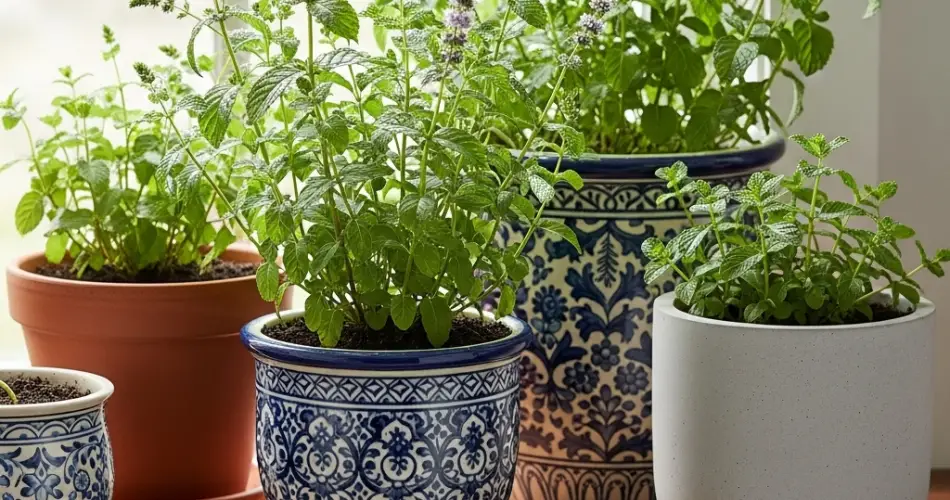
Mint is one of the most refreshing and versatile herbs you can grow at home. Its cooling flavor enhances teas, cocktails, salads, and desserts, while its aromatic leaves also serve as a natural air freshener. Many gardeners, however, hesitate to plant mint directly in their garden beds because of its invasive growth habit—it tends to spread rapidly and take over. Fortunately, growing mint in decorative pots offers the perfect solution. Not only does this method control its spread, but it also allows you to enjoy lush, fragrant greenery even if you have limited space, such as a balcony, patio, or small apartment.
Why Grow Mint in Pots?
Planting mint in containers offers several advantages:
-
Space-saving: Perfect for balconies, windowsills, and patios where ground planting isn’t possible.
-
Growth control: Mint has a reputation for taking over garden spaces. Containers confine its roots, preventing it from spreading uncontrollably.
-
Accessibility: Keeping pots near the kitchen or dining area means fresh mint is always within reach for cooking or drinks.
-
Decorative touch: Decorative pots transform this functional herb into a design feature, adding beauty to your living space.
Choosing the Right Pot
The container you select for your mint can influence both plant health and aesthetic appeal. Here’s what to consider:
-
Size: Mint roots spread quickly, so choose a pot at least 10–12 inches wide and 8 inches deep.
-
Drainage: Proper drainage is essential to prevent root rot. Ensure your pot has drainage holes at the bottom.
-
Material: Clay and ceramic pots provide breathability, while lightweight plastic pots are easier to move.
-
Style: Decorative pots come in endless varieties—modern minimalist, rustic terracotta, painted ceramics, or even upcycled containers like tin buckets. Choose one that complements your space.
Tip: If you want to use a decorative pot without drainage holes, place a smaller plastic pot with drainage inside, and empty excess water from the outer container as needed.
Soil and Planting
Mint thrives in rich, moist, and well-draining soil. Use a high-quality potting mix rather than garden soil, which may be too heavy and prone to compaction. For better aeration, mix in a little perlite or coarse sand.
You can grow mint from seeds, cuttings, or nursery transplants:
-
Seeds: Sow seeds thinly on the soil surface and cover lightly. Keep the soil moist until germination occurs in 7–14 days.
-
Cuttings: Take a healthy stem cutting about 4–6 inches long, place it in water until roots develop, then transfer it to soil.
-
Transplants: The easiest method is to buy a young mint plant and repot it into your chosen container.
Light and Location
Mint prefers bright, indirect sunlight. Outdoors, place pots in a location that receives partial sun, such as a patio corner or shaded balcony ledge. Indoors, set containers on a windowsill where the plant can get at least 4–6 hours of light daily. If sunlight is limited, consider using a small grow light.
Watering and Care
Mint loves moisture but dislikes soggy roots. Here’s how to balance its needs:
-
Watering: Check the top inch of soil; if dry, water thoroughly until it drains from the bottom. Avoid letting the soil dry out completely.
-
Humidity: Mint enjoys moderate humidity. Mist leaves occasionally if your indoor air is dry.
-
Fertilizer: Every 4–6 weeks, feed with a diluted liquid fertilizer or compost tea to encourage lush growth.
-
Pruning: Regularly pinch back stems to prevent legginess and to encourage bushy growth. Removing flower buds will also prolong leaf production.
Harvesting Mint Leaves
Harvesting is simple and rewarding. Pinch off the top leaves just above a pair of lower leaves. This encourages branching and keeps the plant compact. Don’t harvest more than one-third of the plant at a time, as this can stress it. With proper care, mint can provide fresh leaves for many months.
Styling Decorative Mint Pots
Part of the joy of container gardening is the ability to express creativity. Here are some styling ideas for your mint pots:
-
Windowsill herb garden: Arrange several decorative pots of mint and other herbs in a row for a functional and attractive kitchen display.
-
Hanging baskets: Grow mint in hanging containers for a lush, trailing effect.
-
Color-themed pots: Match pot colors with your interior or balcony décor. White pots give a clean, modern look, while colorful ceramics add a playful touch.
-
Upcycled charm: Use old teapots, wooden boxes, or metal tins for a rustic and eco-friendly setup.
Common Problems and Solutions
-
Yellowing leaves: Often caused by overwatering or poor drainage. Check your soil and pot setup.
-
Leggy growth: Usually a sign of insufficient light. Move your pot to a brighter spot.
-
Pests: Aphids or spider mites occasionally appear. Rinse leaves with water or apply a mild soap spray to control infestations.
Final Thoughts
Growing mint in decorative pots combines practicality with beauty. Not only do you gain easy access to fresh, aromatic leaves for cooking and drinks, but you also enhance your home with vibrant greenery. This method is especially useful for small-space gardeners who want to maximize both function and style.
With the right pot, soil, care routine, and a bit of creative flair, you can enjoy thriving mint plants that provide continuous harvests while brightening up your space. Whether on a balcony, windowsill, or kitchen counter, potted mint proves that gardening doesn’t require a large yard—just a little imagination and a stylish container.


