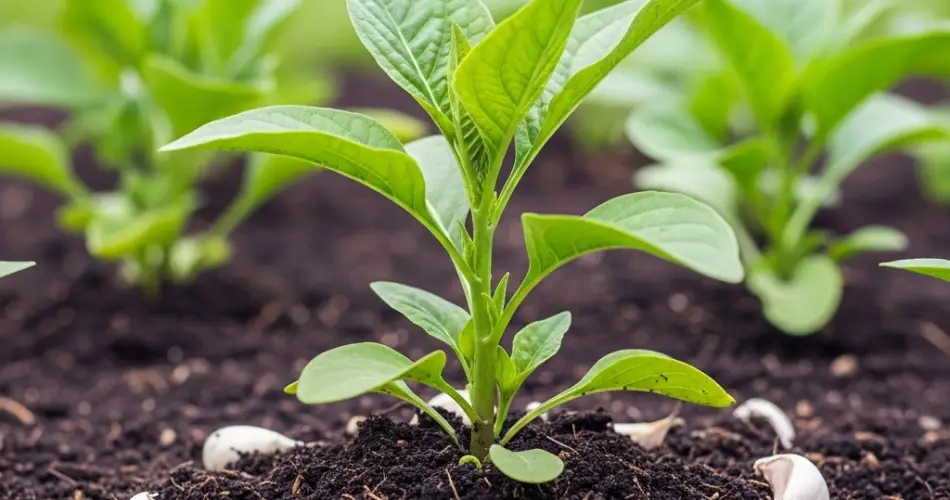
Garlic isn’t just a flavorful addition to your kitchen—it’s also a powerful natural ingredient that can benefit your garden. When used correctly, garlic can act as a mild organic fertilizer while also serving as a natural pest deterrent. Rich in sulfur and essential minerals, garlic helps strengthen plants, boost disease resistance, and promote healthier growth without the use of synthetic chemicals.
For home gardeners looking to enhance their plants naturally, a garlic-based fertilizer is easy to make, affordable, and incredibly effective. This guide will walk you through the benefits of using garlic in your garden and how to create and apply your own simple garlic fertilizer at home.
Why Use Garlic in the Garden?
Garlic offers a range of benefits beyond its culinary uses:
-
Natural Pest Repellent: Garlic’s strong aroma contains sulfur compounds that repel many common garden pests, including aphids, whiteflies, spider mites, and beetles.
-
Antifungal Properties: Garlic helps combat fungal issues like powdery mildew and rust by creating an environment where fungi can’t thrive.
-
Mineral-Rich: Garlic contains nutrients like potassium, phosphorus, and sulfur—essential for plant development and resistance to stress.
-
Safe and Organic: It’s non-toxic to pets, people, and beneficial insects when used properly.
Garlic fertilizer is especially helpful in organic gardens where chemical treatments are avoided.
Ingredients for Homemade Garlic Fertilizer
You don’t need any fancy tools or hard-to-find ingredients. Most of what you need is already in your kitchen.
What you’ll need:
-
2–3 garlic bulbs (not just cloves—use whole bulbs)
-
1 liter (4 cups) of water
-
1 teaspoon of mild liquid soap (optional, for better adherence to leaves)
-
A blender or mortar and pestle
-
Fine strainer or cheesecloth
-
Spray bottle or watering can
How to Make Garlic Fertilizer
Follow these simple steps to create your garlic-based plant tonic:
-
Peel the Garlic: Separate and peel 2–3 bulbs of garlic. The more garlic you use, the stronger the solution.
-
Blend or Crush: Place the peeled garlic into a blender with about 1 cup of water. Blend until it becomes a smooth paste. If you don’t have a blender, mash the garlic thoroughly using a mortar and pestle.
-
Dilute the Mixture: Pour the garlic paste into a container with the remaining water (about 3 more cups). Stir well.
-
Strain the Liquid: Use a fine strainer or cheesecloth to remove solid pieces. This prevents clogging when using a spray bottle.
-
Add Liquid Soap (Optional): Mix in a teaspoon of mild liquid soap if you plan to use the mixture as a foliar spray. This helps the solution stick to the leaves.
-
Transfer and Store: Pour the finished solution into a spray bottle or watering can. Use immediately or store in the refrigerator for up to one week.
How to Apply Garlic Fertilizer
This homemade garlic solution can be used in two main ways: as a soil drench or a foliar spray.
1. Soil Application:
-
Pour the solution around the base of your plants to enrich the soil and repel root-dwelling pests.
-
Use once every two weeks for best results.
2. Foliar Spray:
-
Spray the garlic fertilizer directly onto the leaves, especially the undersides where pests often hide.
-
Apply in the early morning or late afternoon to avoid sunburn.
-
Reapply after rainfall or every 7–10 days for ongoing protection.
Make sure to test the spray on a few leaves before wide application, especially for delicate plants.
Best Plants to Use Garlic Fertilizer On
Garlic fertilizer is suitable for a wide range of garden plants, including:
-
Vegetables: Tomatoes, peppers, cucumbers, lettuce, kale, and beans.
-
Herbs: Basil, rosemary, thyme, and oregano.
-
Flowers: Roses, marigolds, petunias, and zinnias.
-
Fruits: Strawberries, melons, and citrus trees.
Avoid using garlic fertilizer on onion-family crops like leeks or shallots, as too much garlic residue can interfere with their growth.
Extra Tips for Success
-
Use Fresh Garlic: Avoid pre-minced or preserved garlic from jars, as it may contain additives or lack potency.
-
Avoid Overuse: Although natural, garlic contains strong compounds. Using it too often can affect soil microorganisms. Stick to a bi-weekly schedule.
-
Combine with Other Natural Boosters: Garlic fertilizer pairs well with compost tea, banana peel water, or diluted fish emulsion for a comprehensive organic care routine.
Final Thoughts
Homemade garlic fertilizer is a simple, natural, and effective way to nourish your plants and protect them from pests and disease. With just a few cloves of garlic and some water, you can create a powerful garden ally that’s free from harmful chemicals and easy on the wallet.
By using what’s already in your kitchen, you support a more sustainable garden while keeping your plants strong, healthy, and productive. Whether you’re a beginner or an experienced grower, adding garlic fertilizer to your garden routine is a smart and eco-friendly choice.


