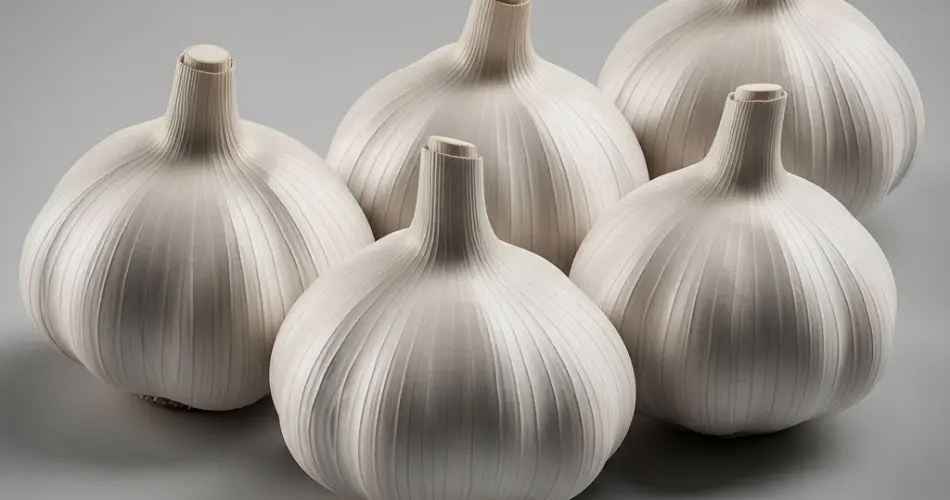
Garlic is widely celebrated for its culinary and medicinal properties, but it also plays a valuable role in gardening. Not only can you grow garlic as a flavorful crop, but you can also use it as a natural fertilizer and an effective pest repellent. For gardeners seeking chemical-free, eco-friendly methods to nourish plants and protect them from pests, garlic offers a two-in-one solution.
Here’s how garlic can help boost your garden’s health while reducing reliance on synthetic products.
The Power of Garlic in the Garden
Garlic contains sulfur-rich compounds like allicin, which are responsible for its pungent aroma and potent biological effects. These compounds make garlic a natural antibiotic and antifungal agent—not only for humans but for soil and plants too.
When used in the garden, garlic can:
-
Improve plant growth by enriching the soil
-
Strengthen plant immunity
-
Repel harmful insects and pests
-
Reduce fungal diseases naturally
Let’s explore each of these benefits and how to apply them in your garden.
Garlic as a Natural Fertilizer
While garlic isn’t a fertilizer in the traditional sense (like compost or manure), it can enhance soil fertility and boost plant health when used in the form of a garlic extract or “garlic tea.”
How Garlic Fertilizer Works
Garlic stimulates microbial activity in the soil, which aids nutrient cycling and root absorption. Its sulfur content may also help certain plants better resist disease and stress. Moreover, garlic extract, when applied as a foliar spray, provides a mild nutrient boost while also acting as a natural plant tonic.
How to Make Garlic Fertilizer Spray
You can create a simple garlic-based plant feed at home:
Ingredients:
-
3–4 garlic cloves
-
1 liter of water
-
Optional: a few drops of mild liquid soap (as a surfactant)
Instructions:
-
Crush the garlic cloves and steep them in water overnight.
-
Strain the liquid and add the soap (this helps the solution stick to leaves).
-
Pour into a spray bottle and apply to the leaves and base of your plants once a week.
This mixture not only nourishes the plant but also helps repel common pests (more on that next).
Garlic as a Pest Repellent
One of garlic’s most powerful uses in the garden is as a natural pest deterrent. Its strong scent and chemical makeup repel many insects that commonly damage crops, all without harming pollinators or beneficial bugs like ladybugs and bees.
Pests Repelled by Garlic:
-
Aphids
-
Whiteflies
-
Spider mites
-
Mosquitoes
-
Ants
-
Slugs and snails
-
Cabbage worms
By spraying garlic extract or planting garlic near vulnerable crops, you create a natural barrier that confuses and deters pests.
Companion Planting with Garlic
Garlic can also be planted alongside other crops to protect them from insect damage. This practice, known as companion planting, can be particularly effective when used with:
-
Tomatoes – Garlic deters red spider mites.
-
Cabbage family plants – Helps ward off cabbage loopers and whiteflies.
-
Carrots – Reduces the risk of carrot root fly infestations.
-
Roses – Repels aphids and prevents black spot fungus.
Garlic’s scent masks the smell of companion plants, making it harder for pests to locate their targets.
Controlling Fungal Diseases
Garlic’s antifungal properties can help control or prevent common plant diseases like powdery mildew, rust, and fungal blights. Applying garlic spray to infected plants can reduce the spread of the disease, especially when used early.
Repeat applications every few days during wet or humid periods to keep fungal spores at bay.
Long-Term Soil Benefits
After garlic has been harvested, its presence continues to benefit the soil. The plant residues—roots, skins, and leaves—can be returned to the garden as mulch or compost material. This adds organic matter and sulfur compounds back into the soil, further discouraging pathogens and supporting microbial life.
Tips for Using Garlic in the Garden
-
Use fresh garlic cloves for sprays—avoid pre-minced or preserved garlic in oil.
-
Test on a small area first before widespread application, especially on sensitive plants.
-
Do not overspray during peak sunlight hours to prevent leaf burn.
-
Reapply after heavy rain, as the solution can be washed away.
Garlic sprays are most effective when used preventatively rather than as a cure after infestations are well established.
Final Thoughts
Garlic is more than just a kitchen essential—it’s a valuable tool for any gardener looking to grow plants naturally and sustainably. By acting as both a gentle fertilizer and an effective pest repellent, garlic helps strengthen plant defenses while supporting healthy, vibrant soil. Whether used as a companion plant, foliar spray, or soil enhancer, garlic belongs in every organic gardener’s toolkit.
With just a few cloves and a bit of water, you can create a natural solution that promotes stronger plants and fewer pests—all without chemicals.


