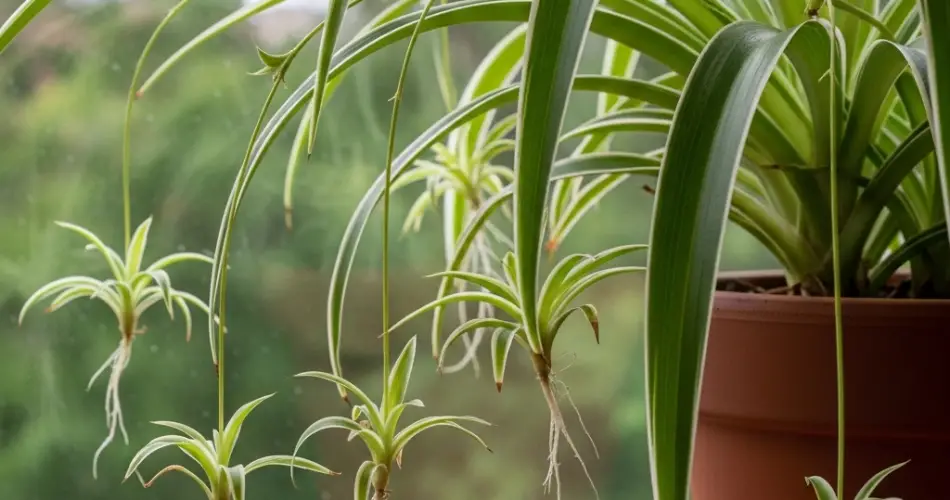
Spider plants (Chlorophytum comosum) are popular indoor plants, known for their long, arching leaves, cascading “spiderettes,” and tolerance of a variety of indoor conditions. While they are hardy and low-maintenance, maintaining the right humidity can enhance their growth and leaf health. One common question among indoor gardeners is whether misting spider plants is beneficial. Understanding the role of humidity, proper watering, and alternative strategies for maintaining moisture helps ensure your spider plant remains vibrant and healthy throughout the year.
Understanding Spider Plant Humidity Needs
Spider plants originate from tropical and subtropical regions, where moderate to high humidity is common. While they are adaptable to normal household humidity, they perform best in slightly higher levels. Dry indoor air—especially during winter months when heaters are running—can lead to brown leaf tips, curling, and slowed growth.
Spider plants are relatively forgiving, but maintaining moderate humidity levels improves overall health, supports leaf turgor, and encourages the development of new shoots and spiderettes.
Misting: Pros and Cons
Misting involves spraying a fine layer of water directly onto the leaves. While it may seem like a simple way to increase humidity, misting has both benefits and limitations:
-
Pros:
-
Temporarily increases humidity around the leaves.
-
Can clean dust off the foliage, improving photosynthesis.
-
May help prevent brown tips caused by dry air.
-
-
Cons:
-
Effects are short-lived; indoor air can quickly absorb moisture.
-
Frequent wetting of leaves may encourage fungal growth or leaf spotting.
-
Not a substitute for proper soil moisture or overall humidity management.
-
Because of these limitations, misting is generally considered a supplemental measure rather than a primary method for maintaining spider plant humidity.
Alternative Strategies for Maintaining Humidity
Several methods can provide more consistent humidity without the risks associated with misting:
-
Humidity Trays: Place a shallow tray filled with water and pebbles under the pot. As water evaporates, it increases local humidity around the plant.
-
Grouping Plants: Placing multiple plants together naturally raises the surrounding humidity through transpiration.
-
Room Humidifiers: Using a small indoor humidifier in dry rooms ensures consistent moisture for your spider plants and other tropical houseplants.
-
Avoiding Dry Heat: Position plants away from heaters, radiators, or air conditioners that create low-humidity conditions.
Watering and Soil Considerations
Maintaining proper soil moisture complements humidity management. Spider plants should be watered thoroughly but allowed to dry slightly between waterings. Overwatering in an attempt to compensate for dry air can lead to root rot, while underwatering may stress the plant and exacerbate leaf browning. Using well-draining soil and containers with drainage holes ensures roots remain healthy while supporting hydration.
Recognizing Signs of Low Humidity
Spider plants provide visual cues if their environment is too dry:
-
Browning leaf tips
-
Curling or drooping leaves
-
Slower growth and smaller spiderettes
Monitoring these signs allows timely intervention with humidity-boosting methods like misting, trays, or humidifiers.
Seasonal Adjustments
Humidity levels naturally fluctuate with the seasons, influencing how spider plants should be cared for:
-
Spring and Summer: Natural humidity is higher, reducing the need for supplemental measures. Water regularly and monitor for signs of stress.
-
Fall and Winter: Indoor heating lowers humidity, making trays, humidifiers, or occasional misting more useful. Reduce watering slightly to avoid waterlogged soil in cooler months.
Benefits of Proper Humidity Management
Maintaining appropriate humidity improves overall leaf health, encourages fuller growth, and enhances the production of spiderettes. It also reduces stress on the plant, minimizing leaf browning and promoting vibrant, green foliage. While misting can be a helpful supplemental practice, combining it with soil management and consistent environmental control is the most effective strategy.
By understanding your spider plant’s humidity needs and using a combination of misting, humidity trays, and proper watering techniques, you can create a thriving indoor environment. Healthy leaves, lush growth, and abundant spiderettes are the rewards of attentive care and effective moisture management.


