Coffee lovers around the world know that brewing the perfect cup is an art. From selecting high-quality beans to carefully controlling water temperature, every detail matters. But have you ever wondered whether there’s a “correct” way to stir your coffee? Specifically, should you turn your coffee spoon clockwise or counterclockwise? While it may seem like a minor detail, there’s more to this question than meets the eye.
The truth is that stirring coffee is not just about mixing sugar, cream, or milk into your cup—it’s about influencing taste, texture, and even aroma. The direction in which you stir can subtly affect how ingredients blend and how the flavors are experienced on your palate.
Clockwise vs. Counterclockwise: What’s the Difference?
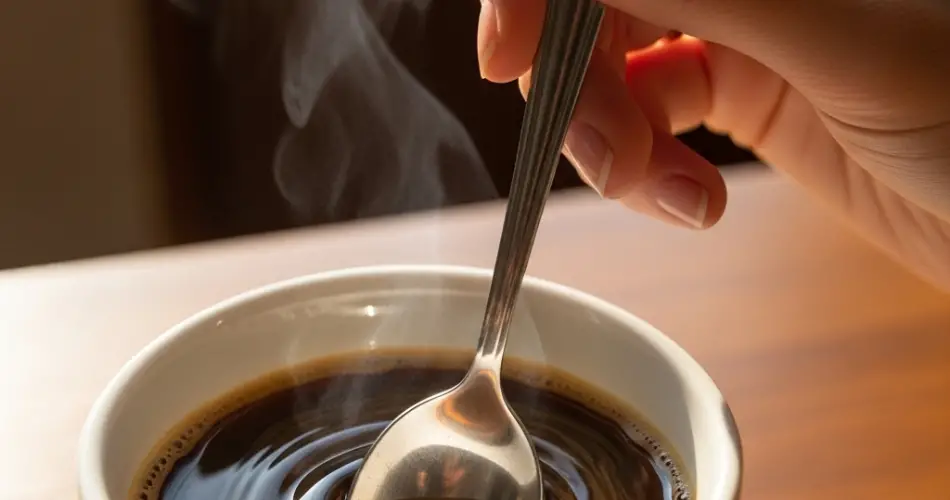
Most people stir their coffee out of habit, rarely thinking about which direction they are using. However, there is a subtle science behind stirring. Clockwise stirring—moving the spoon to the right in a circular motion—tends to create a vortex that pulls ingredients toward the center of the cup. This method is particularly effective when dissolving sugar or mixing cream, as it ensures a more even distribution throughout the coffee.
Counterclockwise stirring—moving the spoon to the left in a circular motion—creates a similar vortex but in the opposite direction. While it may seem identical in effect, studies in fluid dynamics suggest that subtle differences in how the liquid moves can affect texture. Some baristas argue that counterclockwise stirring allows for gentler blending, preserving the aroma of freshly brewed coffee and preventing overmixing, which can sometimes result in a slightly bitter taste.
The Role of Spoon Design
Interestingly, the design of your coffee spoon can also play a role in the stirring process. A long-handled spoon is ideal for reaching the bottom of deep mugs, while a short, rounded spoon works better in small cups. The curvature of the spoon’s bowl affects how liquid is displaced as you stir. Whether you stir clockwise or counterclockwise, using the right spoon ensures that your coffee is mixed evenly without spilling or splashing.
Barista Insights
Professional baristas often recommend stirring in a clockwise motion when adding sugar, as it helps the granules dissolve more quickly. On the other hand, when folding in delicate additions such as cream or flavored syrups, counterclockwise stirring is preferred to maintain the integrity of the coffee’s aroma and texture. In coffee competitions and tasting events, judges often use gentle, deliberate stirring to avoid disrupting the crema—the golden layer on top of espresso that holds intense flavor.
Practical Tips for Perfect Stirring
Regardless of the direction, the key to stirring coffee effectively is consistency and care:
-
Stir Slowly and Gently – Rapid stirring can create foam and splashes, which can cool your coffee faster or dilute flavors unevenly.
-
Focus on the Center – Start at the center and move outward in a circular motion, whether clockwise or counterclockwise. This ensures even blending.
-
Observe the Crema – If you’re making espresso, notice the crema as you stir. Gentle stirring preserves it, while aggressive stirring can break it down.
-
Taste as You Go – After stirring, taste your coffee. Adjust sugar, milk, or syrup gradually to avoid overcompensation.
Does Direction Really Matter?
At the end of the day, whether you stir clockwise or counterclockwise has a subtle effect rather than a dramatic one. The key is to be mindful of the process and use proper technique. Habit and personal preference play a big role, and some coffee enthusiasts even consider stirring direction a fun ritual or part of their daily routine. The most important factor is that your coffee is mixed evenly, providing a balanced and enjoyable flavor.
The Psychological Factor
Interestingly, some studies suggest that the direction of stirring can also influence perception. Clockwise stirring may feel more “natural” for right-handed individuals, while left-handed individuals may prefer counterclockwise motion. These preferences can affect how enjoyable the coffee experience feels, even if the actual taste difference is minimal.
Conclusion
So, should you stir your coffee clockwise or counterclockwise? The answer is: both work. Clockwise stirring is ideal for rapid sugar dissolution, while counterclockwise stirring is gentler and can help preserve aroma and texture. Ultimately, the most important aspect is your enjoyment. Stir slowly, use the right spoon, and pay attention to the balance of flavors. By doing so, you ensure that every cup of coffee is not only well-mixed but also a little moment of daily perfection.
Whether you are a casual coffee drinker or an aspiring barista, understanding the nuances of stirring can elevate your coffee ritual. After all, the small details—the angle of the spoon, the direction of the swirl—can make a surprisingly satisfying difference in the overall experience. Next time you brew a cup, take a moment to observe your stirring technique—it might just make your coffee taste a little better.