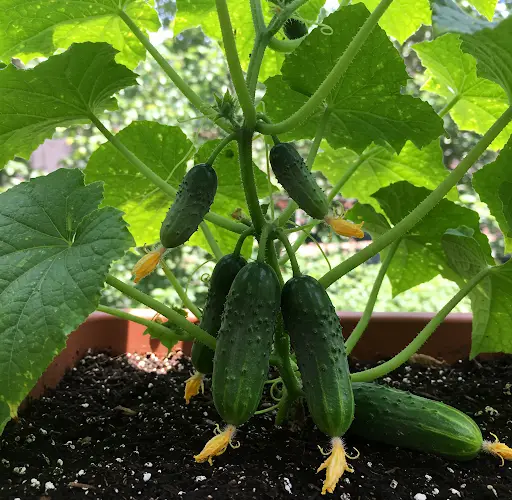
Shocking: How to Grow Cucumbers Without Fertilizer and Still Get a Bountiful Harvest!
Cucumbers are a favorite in many home gardens due to their refreshing taste, high water content, and numerous health benefits. Traditionally, fertilizers are used to enhance plant growth and maximize yield. However, did you know that cucumbers can still thrive and produce plenty of fruit without fertilizer? With the right natural methods, you can grow cucumbers successfully without relying on chemical or store-bought fertilizers.
This guide will reveal the secrets of growing cucumbers without fertilizer, using organic and sustainable techniques that keep your plants healthy and productive.
Why Grow Cucumbers Without Fertilizer?
✔ Natural and Chemical-Free: No synthetic fertilizers mean healthier, more organic cucumbers. ✔ Cost-Effective: Save money by using natural composting methods. ✔ Eco-Friendly: Reduces soil and water pollution caused by chemical fertilizers. ✔ Improved Soil Health: Encourages beneficial microbes and enhances soil fertility over time. ✔ Resilient Plants: Plants become stronger and more adaptive to their environment.
Step-by-Step Guide to Growing Cucumbers Without Fertilizer
Step 1: Choosing the Right Variety
Some cucumber varieties are more resilient and require fewer nutrients than others. Consider heirloom or organic varieties, such as:
- Marketmore 76 (disease-resistant and productive)
- Boston Pickling (compact and high-yielding)
- Lemon Cucumber (mild and easy to grow)
Step 2: Preparing the Soil Naturally
- Cucumbers thrive in loose, well-draining soil with plenty of organic matter.
- Instead of fertilizer, enrich the soil with natural compost and mulch before planting.
- Mix in materials like:
- Kitchen scraps (vegetable peels, coffee grounds, eggshells)
- Grass clippings and leaves (great for slow-release nutrients)
- Manure from herbivores (well-composted horse or cow manure)
Step 3: Planting Cucumbers the Right Way
- Direct Sowing: Plant cucumber seeds ½ inch deep into prepared soil.
- Spacing: Leave 12-18 inches between plants for proper airflow.
- Companion Planting: Grow cucumbers near beans, marigolds, or basil to naturally enhance growth and repel pests.
Step 4: Providing Natural Nutrients
Even without traditional fertilizers, cucumbers can still receive nutrients through natural alternatives: ✔ Banana Peels & Eggshells – Add potassium and calcium for stronger fruit development. ✔ Compost Tea – Soak compost in water for 48 hours and use it as a natural liquid feed. ✔ Wood Ash – Provides phosphorus and potassium for healthy root growth. ✔ Mulching with Grass or Leaves – Keeps the soil moist and supplies slow-release nutrients.
Step 5: Proper Watering Techniques
- Cucumbers need consistent moisture to produce fruit.
- Water deeply 2-3 times per week, preferably in the morning.
- Use rainwater or dechlorinated tap water for better plant health.
Step 6: Supporting the Plants for Better Yield
- Cucumbers grow best when trained on a trellis.
- Vertical growing improves airflow, reduces disease risk, and makes harvesting easier.
- Secure vines gently with soft garden ties or twine.
Caring for Cucumbers Without Fertilizer
✔ Weed Control: Keep the area weed-free to prevent competition for nutrients. ✔ Pollination: Encourage bees and butterflies with flowers like marigolds and lavender. ✔ Pruning: Remove dead leaves and weak shoots to improve fruit production. ✔ Natural Pest Control:
- Use neem oil or garlic spray to repel aphids.
- Introduce ladybugs to eat harmful pests naturally.
Harvesting Cucumbers for Maximum Yield
- Cucumbers are ready to harvest 50-70 days after planting.
- Pick cucumbers when they are firm, bright green, and about 6-8 inches long.
- Frequent harvesting encourages continuous fruit production.
Common Issues and Natural Solutions
1. Yellowing Leaves? ✔ Cause: Overwatering or poor drainage. ✔ Solution: Reduce watering and add organic mulch.
2. Small or Misshapen Cucumbers? ✔ Cause: Poor pollination or inconsistent watering. ✔ Solution: Hand-pollinate and maintain regular moisture levels.
3. Pests on Leaves? ✔ Cause: Aphids, spider mites, or caterpillars. ✔ Solution: Use natural sprays like soap water or neem oil.
Conclusion
Growing cucumbers without fertilizer is not only possible but also easy and rewarding! By using natural soil enrichment methods, proper watering, and organic pest control, you can achieve a bountiful harvest without relying on chemical fertilizers.
Start using this method today and enjoy fresh, homegrown cucumbers straight from your garden!


