Most of us are used to buying fabric softeners to make our clothes smell pleasant, feel soft, and look clean. We pour them into every wash, trusting that they’ll act like a conditioner for fabrics—protecting fibers, reducing wrinkles, and leaving behind that comforting fresh-laundry scent. But what if you could achieve the same results without relying on chemical products? Whether you want to cut down on costs or avoid synthetic ingredients that harm the environment, there are natural, eco-friendly ways to keep your laundry soft and fragrant. Let’s explore how you can replace conventional softeners with simple, effective household ingredients.
What Does Fabric Softener Actually Do?
Before discovering how to replace fabric softener, it helps to understand what it really does. As mentioned, softeners act like a balm for your clothes. They coat fabric fibers with a thin layer of chemicals designed to smooth them out. This reduces friction between fibers during washing and drying, making clothes feel softer and easier to iron.
When the fibers relax, the fabric dries with fewer wrinkles and feels smooth to the touch. Fabric softeners are also formulated with perfumes that give clothes their distinctive scent—sometimes floral, sometimes fruity or fresh.
However, these pleasant results come at a cost. Fabric softeners are made with synthetic ingredients that can harm both fabrics and the environment. Used in excess, they may damage clothes, reduce their absorbency, and cause buildup inside your washing machine. Moreover, the artificial fragrances and preservatives they contain are often allergens and pollutants. Over time, what seems like a small addition to your laundry routine can have long-term negative effects.
Why You Should Rethink Fabric Softeners
One of the main problems with traditional softeners is their chemical composition. Most commercial products contain quaternary ammonium compounds—known as “quats”—which are responsible for that soft, smooth feel. Unfortunately, these compounds are non-biodegradable and can accumulate in water systems, contributing to pollution and harming aquatic life.
In addition, softeners can alter the texture of certain fabrics. For example, towels might lose their absorbency because the chemical coating prevents water from penetrating the fibers properly. Athletic wear and microfiber items may also lose their moisture-wicking or cleaning abilities.
And let’s not forget about the cost. Fabric softeners aren’t cheap, especially if you use them frequently. So, finding an alternative that’s budget-friendly and eco-conscious isn’t just good for the planet—it’s good for your wallet too.
The good news? You can replace fabric softeners with natural ingredients that are safe, sustainable, and just as effective—sometimes even better.
Natural Alternatives to Fabric Softener
There are three powerful natural ingredients that can replace traditional softeners entirely. Each of them offers multiple benefits for your clothes and the environment. They’re inexpensive, easy to find, and can be used alone or in combination.
1. White Vinegar: The Classic Grandmother’s Trick
Before the age of modern detergents, white vinegar was the go-to product for softening laundry. It’s a natural disinfectant, deodorizer, and fabric conditioner all in one. Vinegar works by dissolving detergent residue and mineral buildup left behind by hard water—two common causes of stiff fabrics.
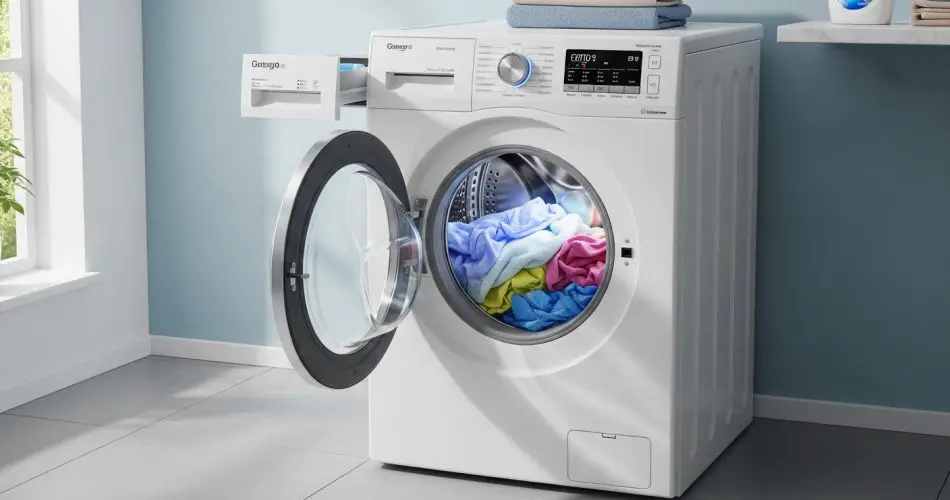
To use it, simply pour half a cup (about 120 ml) of white vinegar into the fabric softener compartment of your washing machine. It will be released automatically during the rinse cycle. Not only will your clothes come out soft, but they’ll also be free of static electricity and unpleasant odors.
And don’t worry about the smell—once your laundry dries, the vinegar scent disappears completely, leaving only a clean, fresh aroma.
2. Baking Soda: The All-Purpose Laundry Enhancer
Baking soda is another natural powerhouse with multiple uses around the house—and laundry is no exception. It neutralizes odors, balances the pH level of the water, and helps loosen dirt and detergent residue trapped in the fibers.
To use baking soda as a natural softener, add two tablespoons (about 30 grams) directly into the drum before starting the wash. For an extra boost, you can combine it with a few drops of essential oil—like lavender or lemon—for a light natural fragrance.
You can also mix baking soda with white vinegar for a two-step treatment: add the vinegar during the rinse cycle after the washing phase with baking soda. Together, they create a mild natural reaction that cleans, softens, and deodorizes fabrics without any synthetic chemicals.
3. Citric Acid: The Eco-Friendly Modern Alternative
Citric acid is another excellent replacement for chemical softeners. It’s a natural compound found in citrus fruits and works as an effective fabric conditioner. It not only softens clothes but also leaves them with a delicate, fresh scent of natural cleanliness.
To prepare your own homemade softener, simply mix:
-
100 grams of citric acid powder
-
1 liter of distilled water
Stir the solution until the citric acid is fully dissolved, then pour it into the softener compartment of your washing machine—just as you would with a commercial product. Your clothes will come out incredibly soft, without any residue or overpowering perfume.
This simple mixture can be stored in a bottle and used regularly. It’s gentle on fabrics, biodegradable, and completely safe for both humans and the environment.
Extra Tips for Naturally Soft and Fresh Laundry
-
Use less detergent: Too much soap can leave residue on clothes, making them feel stiff. Using the correct amount helps maintain softness.
-
Don’t overload the washing machine: Clothes need space to move and rinse properly. Overloading prevents detergent and rinse water from working effectively.
-
Dry naturally when possible: Sunlight naturally disinfects and freshens fabrics, especially when paired with vinegar or citric acid during washing.
The Benefits of Going Natural
Switching to natural softeners brings a range of benefits beyond softness and fragrance. It reduces your household’s environmental impact, saves money, and helps keep fabrics in better condition over time. Your clothes will last longer, stay brighter, and remain free of chemical residue that can irritate sensitive skin.
Moreover, by using simple ingredients like vinegar, baking soda, and citric acid, you can control what goes into your laundry routine—no hidden additives or harsh chemicals.
Final Thoughts
You don’t need commercial fabric softeners to achieve soft, fresh-smelling laundry. Nature provides everything you need to care for your clothes safely and effectively. A splash of vinegar, a spoonful of baking soda, or a bit of citric acid can completely transform your laundry routine.
These natural solutions not only leave your fabrics smooth and pleasant to the touch but also protect your health and the environment. Once you try these simple tricks, you’ll never look at fabric softener the same way again—and your laundry will thank you for it.