The mattress is one of the most used items in the home. Even if it’s protected by sheets, pillowcases, and high-quality covers, it inevitably accumulates dust, stains, and microscopic organisms over time. Because we spend a significant portion of our lives in bed, maintaining a clean and hygienic mattress is essential not only for comfort but also for our health.
A dirty mattress can harbor bacteria, fungi, and millions of dust mites — studies suggest that an uncleaned mattress can contain up to 100 million of them. These invisible intruders can trigger allergies, skin irritations, and even respiratory problems. The good news? You don’t need to hire a professional cleaning service to restore freshness to your mattress. With a few natural and inexpensive ingredients, you can easily keep it clean, sanitized, and odor-free.
Why You Shouldn’t Make the Bed Right Away
Many people were taught to make their bed as soon as they wake up, but according to recent research, that’s not the best idea. When we sleep, our bodies release heat, moisture, and dead skin cells into the bedding. If you make your bed immediately, you trap this moisture and warmth inside, creating the perfect breeding ground for dust mites and mold.
Instead, it’s recommended to leave your bed unmade for about two hours after waking up. This allows the accumulated heat and humidity to dissipate. For even better results, open your bedroom windows for at least 30 minutes — or ideally, up to an hour — to let fresh air circulate. During this time, shake out your pillows and sheets to remove dust and debris.
To maintain good hygiene, change your sheets every one to two weeks. Frequent washing of bedding is one of the simplest ways to reduce allergens and extend the life of your mattress.
How to Remove Stains and Disinfect the Mattress
Over time, even the most careful sleepers may notice stains from sweat, blood, or humidity. Each type of stain requires a slightly different cleaning approach, but all of them can be treated effectively with simple, natural ingredients found at home.
1. Removing Blood Stains
Blood stains are among the most stubborn, but hydrogen peroxide (also known as peroxido di idrogeno or simply “oxygenated water”) is a powerful and safe solution. This compound breaks down blood proteins, making the stains easier to lift.
How to do it:
-
Dampen a clean cloth or a cotton pad with hydrogen peroxide (3% solution).
-
Gently dab the stained area—avoid soaking the mattress.
-
Let the solution sit for a few minutes and allow it to dry naturally.
-
There’s no need to rinse, but you can gently blot the area afterward with a dry cloth to speed up drying.
⚠️ Note: Hydrogen peroxide has a mild bleaching effect. If your mattress fabric is colored or patterned, test it on a small, inconspicuous area first to ensure it doesn’t cause discoloration.
2. Eliminating Sweat Stains and Odors
Sweat stains are common and often accompanied by unpleasant smells. Fortunately, white vinegar works wonders as a deodorizer and mild disinfectant.
How to do it:
-
Pour some white vinegar into a spray bottle.
-
Lightly mist the stained areas of the mattress.
-
Allow it to sit for about five minutes to break down residues and neutralize odors.
-
Sprinkle baking soda over the same areas while the vinegar is still slightly damp.
You’ll notice a gentle fizzing reaction — this is normal and helps lift dirt and neutralize smells. Once the mixture dries completely, vacuum the mattress thoroughly to remove any remaining powder.
If you find the vinegar smell too strong, you can substitute it with a solution of lemon juice and water. Lemon not only leaves a fresh scent but also adds extra antibacterial power.
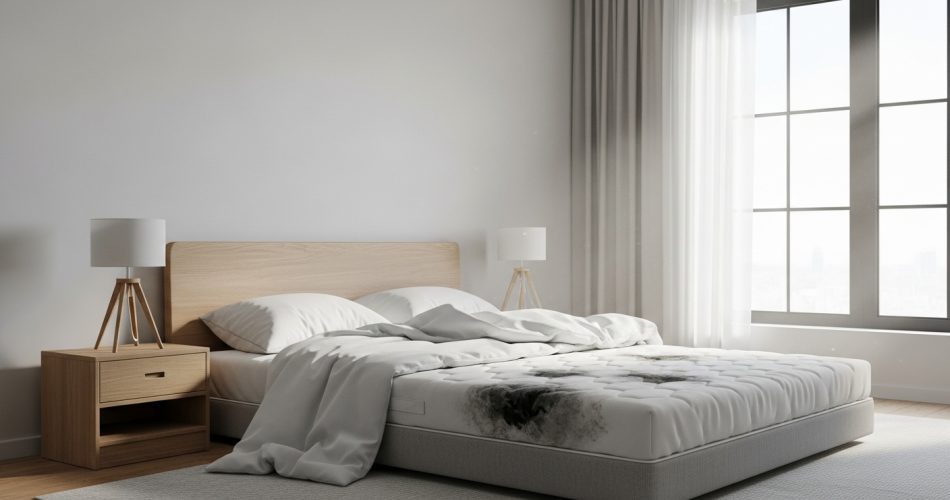
3. Dealing with Mold or Moisture Stains
Mold is one of the worst enemies of any mattress. It develops in damp, poorly ventilated environments and can cause both bad odors and allergic reactions. Baking soda is an excellent remedy thanks to its drying, antiseptic, and antibacterial properties.
How to do it:
-
In a plastic bowl, mix about 250 grams of baking soda with 5 drops of tea tree essential oil (also known as melaleuca oil). This natural disinfectant helps kill mold spores and leaves a clean scent.
-
Spread the mixture evenly over the entire mattress surface, focusing on problem areas.
-
Let it sit for at least one hour — the longer, the better.
-
Vacuum the entire mattress to remove any residue and trapped dust.
Repeat this treatment every few months or whenever the mattress feels damp or musty.
Additional Tips for a Fresh and Long-Lasting Mattress
-
Use a mattress protector. A washable, waterproof cover prevents sweat, oils, and spills from reaching the mattress fabric.
-
Vacuum regularly. Even without stains, dust and mites accumulate on the surface. A quick vacuum once a month helps maintain cleanliness.
-
Air out the mattress. Every few months, remove all bedding and let the mattress air out near an open window for several hours.
-
Flip and rotate periodically. Turning the mattress helps it wear evenly and prevents sagging.
-
Avoid excessive moisture. Always use minimal liquid when cleaning — too much can soak into the foam or padding, encouraging mold growth.
The Bottom Line
Keeping your mattress clean doesn’t require professional tools or expensive products — just consistency and a few household ingredients like vinegar, baking soda, and hydrogen peroxide. Regular airing, vacuuming, and stain removal not only extend the life of your mattress but also protect your health by reducing allergens, bacteria, and odors.
Your bed should be a place of rest and recovery, not a hiding spot for mites and mold. With these simple and natural methods, you’ll enjoy a fresher, cleaner, and healthier sleeping environment — every single night.