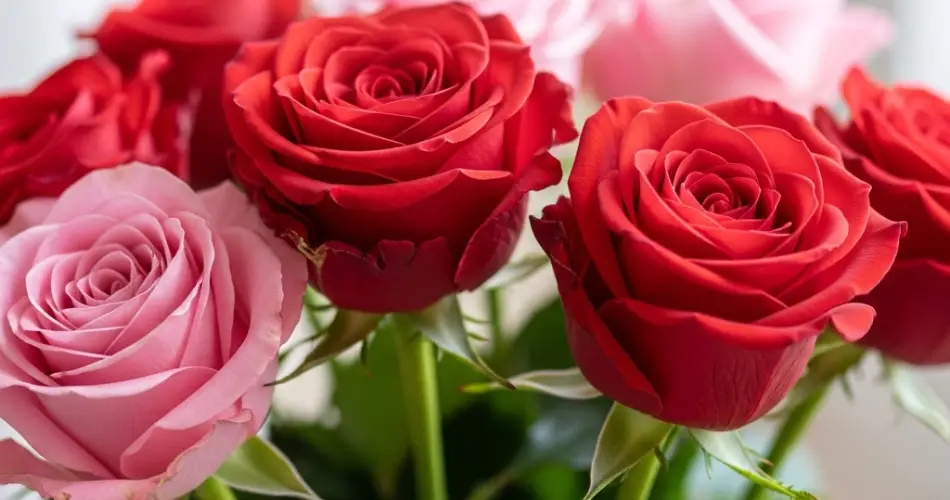
Gardening can be incredibly rewarding, but it’s also frustrating when your plants don’t thrive or fail to bloom. Many gardeners struggle with weak growth, sparse foliage, and few or no flowers. The key to solving these problems often lies beneath the surface—in the soil and nutrients your plants receive.
If you want to see lush, vibrant plants bursting with flowers in your garden or urban farm, making your own homemade fertilizer can be the game changer. This natural, nutrient-rich fertilizer encourages healthy growth and abundant flowering without the need for expensive commercial products.
Why Homemade Fertilizer Works Better
Homemade fertilizers offer several benefits compared to store-bought alternatives:
-
Cost-effective: You can make it from simple kitchen and garden scraps.
-
Eco-friendly: Reduces chemical runoff and waste.
-
Balanced nutrients: Provides essential macronutrients (nitrogen, phosphorus, potassium) plus trace elements.
-
Improves soil health: Boosts beneficial microbes and soil texture.
-
Safe for all plants: No harsh chemicals or synthetic additives.
Essential Nutrients for Flowering Plants
To encourage flowering, plants need a balance of nutrients:
-
Nitrogen (N) promotes leaf and stem growth.
-
Phosphorus (P) supports root development and flower production.
-
Potassium (K) enhances overall plant vigor and resistance to disease.
An ideal fertilizer for flowering plants is slightly higher in phosphorus and potassium relative to nitrogen, as too much nitrogen encourages leafy growth at the expense of flowers.
How to Make a Simple Homemade Fertilizer for Flowering
Here’s a basic recipe using easily available ingredients to create a powerful, natural fertilizer:
Ingredients:
-
1 part banana peel (rich in potassium and phosphorus)
-
1 part used coffee grounds (good source of nitrogen and organic matter)
-
1 part eggshells (provide calcium)
-
Water (enough to create a liquid fertilizer)
Instructions:
-
Chop the banana peels and eggshells into small pieces to speed up nutrient release.
-
Combine the banana peels, coffee grounds, and eggshells in a jar or bucket.
-
Fill the container with water until the materials are submerged.
-
Let the mixture steep for 5–7 days, stirring every day.
-
Strain the liquid into a watering can or spray bottle.
-
Use this liquid fertilizer to water your plants every 7–10 days.
Application Tips for Best Results
-
Use the fertilizer on flowering plants, including roses, geraniums, petunias, and vegetables like tomatoes and peppers.
-
Apply directly to the soil around the base of plants to feed the roots.
-
Avoid overwatering; let the soil dry slightly between applications.
-
For container plants, reduce the fertilizer dose to avoid salt buildup.
-
In addition to watering, sprinkle some finely crushed eggshells or banana peel powder into the soil for slow-release nutrients.
Additional Homemade Fertilizer Ideas
If you want to experiment, here are other effective homemade fertilizers for flowering plants:
-
Compost tea: Steep mature compost in water for several days to extract nutrients.
-
Fish emulsion: Dilute fish waste liquid (available at garden stores) to supply nitrogen and trace minerals.
-
Molasses solution: A tablespoon of molasses in a gallon of water feeds beneficial soil microbes, improving nutrient uptake.
Common Mistakes to Avoid
-
Over-fertilizing: Too much fertilizer can burn roots and damage plants.
-
Neglecting watering schedule: Fertilizer only works if plants get adequate water.
-
Ignoring soil health: Fertilizer can’t fix poor drainage or compacted soil.
-
Not adjusting for plant type: Some plants prefer less fertilizer or different nutrient ratios.
Beyond Fertilizer: Other Tips for Healthy, Flowering Plants
-
Sunlight: Most flowering plants need 6+ hours of direct sunlight.
-
Pruning: Regular deadheading and trimming encourage more blooms.
-
Pest control: Keep pests in check with natural methods to avoid stress on plants.
-
Soil preparation: Add organic matter like compost before planting to improve soil fertility.
Final Thoughts
If you’ve been struggling with plants that just don’t grow or flower as you expect, it’s time to rethink your approach. A homemade fertilizer made from natural ingredients can provide balanced nutrients in a gentle, effective way. Combined with good watering, sunlight, and pruning habits, this simple fertilizer can transform your garden or urban farm into a blooming paradise.
Start with the easy banana peel and coffee ground fertilizer recipe, and watch your plants come to life with lush foliage and vibrant flowers. Gardening success is within reach—and it starts with nourishing your plants naturally.


