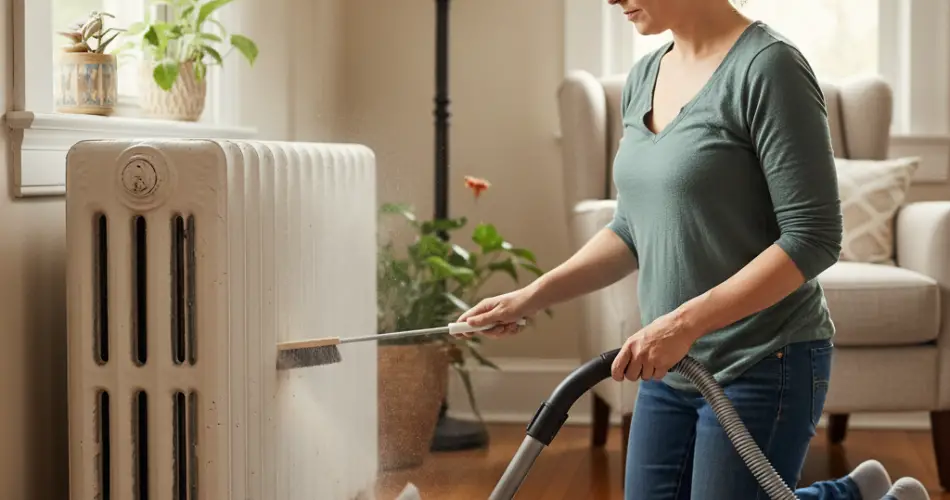
When the colder months arrive, heating becomes one of the biggest expenses for households. Turning on the radiator or central heating system may keep rooms cozy, but it also causes energy bills to skyrocket. Many families find themselves searching for practical ways to reduce consumption without sacrificing comfort. Surprisingly, there are simple tricks that can help you stay warm while giving your heating system a rest—even for an entire day. With the right strategy, it’s possible to save money and energy without feeling the chill.
Why Reducing Heating Use Matters
Heating accounts for a large percentage of household energy costs, especially during autumn and winter. According to energy experts, even lowering usage by a few hours per day can result in significant savings by the end of the season. Besides the financial benefit, consuming less energy also helps the environment, reducing carbon emissions and promoting sustainability.
By finding ways to stay warm naturally, you can make your home more energy-efficient and cut down on one of the most expensive utilities.
The Trick: Maximizing Heat Retention
The key to doing without heating for a whole day lies in maximizing the warmth that already exists in your home. Instead of constantly running the radiators, focus on retaining heat and generating warmth naturally. Here are some of the most effective methods:
1. Insulate with Curtains and Rugs
Thick curtains help trap warmth inside and prevent cold drafts from seeping through windows. Keep them open during sunny hours to let natural heat in, then close them tightly in the evening. Adding rugs or carpets to floors also helps insulate rooms, making them feel warmer underfoot.
2. Seal Drafts and Gaps
Small air leaks around doors and windows are often the biggest culprits of heat loss. Using draft stoppers or even rolled-up towels can prevent cold air from entering and warm air from escaping.
3. Layer Up
Wearing multiple thin layers is more effective than a single thick garment. Thermal underwear, socks, and cozy sweaters allow you to maintain body heat without turning on the heater. A warm blanket on the sofa or bed can make evenings much more comfortable.
4. Use the Kitchen to Your Advantage
Cooking can generate a surprising amount of warmth. Baking a dish in the oven or simmering soup on the stove spreads heat throughout the kitchen and nearby areas. Just remember to do so safely, never leaving appliances unattended.
5. Harness the Sun’s Energy
On clear days, sunlight is a free and natural heater. Keeping blinds and curtains open during daylight hours allows warmth to accumulate indoors. Once the sun sets, closing everything helps trap that heat inside.
6. Create Heat Zones
Instead of trying to warm the entire home, focus on the rooms you use the most. Close doors to unused areas and gather the family in a single heated space. This helps concentrate warmth and makes it easier to feel comfortable without running the central heating system.
Benefits of Going a Day Without Heating
You may wonder what difference skipping heating for just one day makes. In reality, the savings add up quickly. If you repeat this trick once or twice per week throughout the colder months, you could cut annual energy costs by a significant margin.
Additionally, adjusting your lifestyle to rely less on heating can make you more resilient and resourceful. Families often discover new routines—like cozy evenings under blankets or shared meals in the kitchen—that bring warmth and comfort without needing radiators.
A Step Toward Sustainable Living
Energy consumption is a growing global concern, and households play a key role in reducing demand. By lowering heating usage, even for a single day, you contribute to a larger movement toward sustainability. This practice not only benefits your wallet but also supports a more responsible approach to energy.
Final Thoughts
Living without heating for a full day may sound uncomfortable at first, but with the right adjustments, it’s entirely possible—and even enjoyable. By insulating your home, layering up, using sunlight, and taking advantage of natural heat sources, you can maintain a cozy environment without touching the thermostat.
This small habit can lead to meaningful savings and a lighter environmental footprint. The next time you’re tempted to reach for the heating switch, try this trick instead—you might be surprised at how warm and comfortable your home can feel without it.