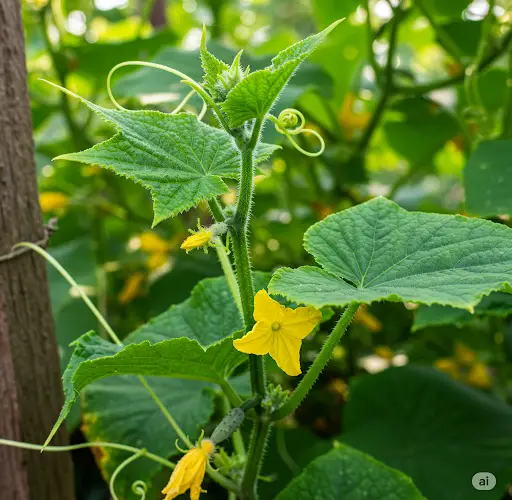
Cucumbers are a beloved vegetable for many gardeners, valued for their crisp texture, refreshing taste, and versatility in the kitchen. However, cucumber plants are not immune to challenges like pests, diseases, and environmental stress. One day, your cucumber plants might be flourishing, and the next, they could be wilting or showing signs of poor health. This can be incredibly frustrating, especially when you’re looking forward to a bountiful harvest.
If you’re struggling to get your cucumbers back on track, there is a surprisingly simple and effective solution: a “magical” pharmacy remedy that can rejuvenate your plants and help them thrive again. In this article, we’ll share how a pharmacy product can help rescue your cucumbers from common problems and keep them healthy throughout the growing season.
Common Issues Cucumbers Face
Cucumbers can fall victim to a range of issues that affect their growth and productivity. Some of the most common problems gardeners face include:
-
Powdery Mildew: This fungal disease appears as a white, powdery coating on the leaves, often stunting growth and reducing yields.
-
Yellowing Leaves: Cucumbers with yellowing leaves may be suffering from nutrient deficiencies, such as a lack of nitrogen, or root issues like overwatering or poor drainage.
-
Pest Infestations: Aphids, cucumber beetles, and spider mites are just a few of the pests that can damage cucumber plants, causing leaf damage, poor growth, and even the spread of diseases.
-
Wilting and Root Rot: Wilting cucumbers with soft, brown roots can indicate a root rot problem, often caused by excessive moisture or poorly-draining soil.
When these problems arise, they can quickly spread throughout your cucumber plants, threatening to ruin your entire crop. However, there is hope—thanks to a simple pharmacy remedy that works wonders in reviving struggling cucumbers.
The Magic Pharmacy Remedy for Cucumbers
The “magical” remedy we’re referring to is hydrogen peroxide (H2O2). While it’s typically associated with disinfecting wounds or cleaning surfaces, hydrogen peroxide is also an excellent tool for gardening, especially when it comes to cucumber care. It is an inexpensive, readily available solution that can tackle multiple cucumber problems with ease.
Hydrogen peroxide is a powerful yet gentle disinfectant that can help manage fungal diseases, improve oxygen levels in the soil, and combat pests. When used properly, it promotes healthy root growth, reduces the risk of disease, and revives stressed cucumber plants.
Here’s how hydrogen peroxide works and how you can use it to restore your cucumbers:
Benefits of Using Hydrogen Peroxide for Cucumbers
-
Fungal Disease Control: Hydrogen peroxide’s antifungal properties make it highly effective in treating powdery mildew, one of the most common cucumber diseases. It kills fungal spores on contact, preventing them from spreading further.
-
Improves Soil Oxygenation: Hydrogen peroxide breaks down into water and oxygen when it decomposes, adding extra oxygen to the soil. This is particularly helpful in preventing root rot and ensuring healthy root growth for your cucumbers.
-
Pest Control: Hydrogen peroxide can help control pests like aphids, spider mites, and whiteflies. It’s a gentle, non-toxic solution that won’t harm beneficial insects in your garden, such as bees and ladybugs.
-
Revives Weak Plants: If your cucumbers are suffering from stress, wilting, or poor growth, hydrogen peroxide can give them a much-needed boost. By oxygenating the soil and improving nutrient absorption, it helps revitalize plants quickly.
How to Use Hydrogen Peroxide for Cucumbers
There are several ways you can apply hydrogen peroxide to your cucumber plants, depending on the issue you’re facing. Here’s how to use it effectively:
1. For Powdery Mildew:
To combat powdery mildew, you can create a simple hydrogen peroxide solution:
-
Solution: Mix 1 part 3% hydrogen peroxide with 3 parts water.
-
Application: Pour the solution into a spray bottle and spray it directly onto the affected leaves, covering both the tops and bottoms. Be sure to apply it on a dry, sunny day so the solution can dry quickly and prevent further fungal growth. Repeat every few days until the mildew is gone.
2. To Improve Soil Oxygenation:
If your cucumbers are showing signs of root rot or poor soil conditions, hydrogen peroxide can help by improving oxygen flow to the roots.
-
Solution: Mix 1 cup of 3% hydrogen peroxide with 1 gallon of water.
-
Application: Pour the solution directly onto the soil around your cucumber plants. This will oxygenate the soil, promote root health, and help reduce the risk of root rot. You can apply this treatment once every couple of weeks throughout the growing season.
3. For Pest Control:
Hydrogen peroxide can be used to control pests like aphids, mites, and beetles.
-
Solution: Mix 1 tablespoon of 3% hydrogen peroxide with 1 quart of water.
-
Application: Spray the solution onto the leaves and stems of your cucumber plants, targeting the areas where pests are most active. Apply the spray in the early morning or late evening to avoid harming pollinators like bees.
4. To Revive Wilting or Weak Cucumbers:
If your cucumbers are wilting or showing signs of stress, hydrogen peroxide can help revive them by promoting better nutrient uptake and root health.
-
Solution: Mix 1 tablespoon of 3% hydrogen peroxide with 1 gallon of water.
-
Application: Water your cucumbers with this solution to help restore their health. The extra oxygen will stimulate the roots and improve overall plant vigor.
Important Tips When Using Hydrogen Peroxide
-
Always use 3% hydrogen peroxide, which is the safest concentration for garden use. Higher concentrations can be harmful to plants.
-
Apply hydrogen peroxide solutions during the early morning or late evening to avoid direct sun exposure, which can cause the solution to evaporate too quickly.
-
Test the solution on a small section of your plants before applying it to the entire garden to ensure it doesn’t cause any adverse effects.
Conclusion
If your cucumbers are struggling with fungal diseases, pests, or poor growth, hydrogen peroxide can be a game-changer. This simple pharmacy remedy can help rejuvenate your cucumber plants, promoting better health, stronger roots, and a more abundant harvest. By using hydrogen peroxide effectively, you can save your cucumbers and enjoy fresh, crisp vegetables throughout the growing season.
With this powerful and affordable remedy, your cucumbers will thrive, and you’ll be able to grow a healthier, more productive garden. Don’t let your cucumbers suffer—try hydrogen peroxide today and watch them bounce back to life!


