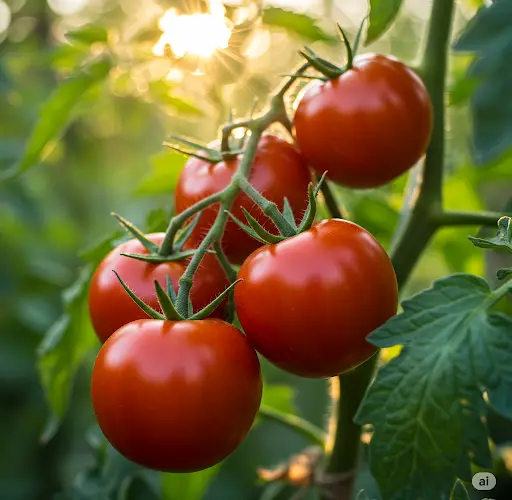
Tomatoes are a staple in many gardens, known for their vibrant flavor and culinary versatility. However, even experienced gardeners can struggle with one frustrating issue: the tomato plants are blooming, but fruits just won’t set. If you’ve ever seen your plants covered in flowers with barely any tomatoes developing, you’re not alone. The good news is there’s a simple, natural method to encourage fruit set—without the need for constant fertilizing, spraying, or chemical treatments.
This technique is based on optimizing plant conditions to help tomatoes pollinate effectively and convert their blooms into healthy, abundant fruit. Let’s explore the reasons why tomatoes might not be setting fruit and how this method solves the problem naturally.
Why Tomato Flowers Fall Without Fruiting
Tomato plants can bloom profusely but fail to develop fruit due to a few common reasons:
-
Poor Pollination: Tomatoes are self-pollinating, but they still require movement (from wind, insects, or human intervention) to help the pollen move from the male to female parts of the flower.
-
High Temperatures: When the air gets too hot (above 85–90°F or 29–32°C), tomato pollen can become sterile, reducing the chance of fertilization.
-
Lack of Nutrients: A deficiency in key nutrients like phosphorus, potassium, or calcium can cause flowers to drop without setting fruit.
-
Excess Nitrogen: Overfeeding with nitrogen-rich fertilizers leads to lush green foliage, but very few fruits.
Rather than using more fertilizer or turning to chemical solutions, this method focuses on creating the right conditions for natural fruit set.
The Secret Technique: Manual Pollination with a Boost
The key to setting fruit on tomato plants lies in improving pollination and supporting the plant’s internal processes. Here’s a method that has helped many gardeners achieve reliable fruit set without any additional feeding.
1. Manual Flower Shaking
Tomatoes need movement to release pollen. In the absence of wind or bees, you can do this manually.
-
Gently tap or shake each flower cluster once a day during the morning when humidity is higher and pollen is more viable.
-
You can also use an electric toothbrush, tuning fork, or even a soft paintbrush to vibrate or transfer pollen between flowers.
This simple mechanical movement simulates what bees naturally do and dramatically increases pollination success.
2. Apply a Calcium and Magnesium Solution
Calcium and magnesium are essential during flowering and fruit setting. A homemade solution using simple ingredients helps support this stage:
What You’ll Need:
-
1 liter of water (preferably room temperature rainwater or dechlorinated tap water)
-
1 tablespoon of crushed eggshells or 1 teaspoon of calcium lactate
-
1/2 teaspoon of Epsom salt (magnesium sulfate)
Preparation:
-
Soak the crushed eggshells in water overnight, or stir calcium lactate into the water.
-
Dissolve the Epsom salt in the same solution.
-
Strain and pour into a spray bottle or watering can.
Application:
-
Spray directly onto the leaves and flower clusters in the early morning or late afternoon.
-
Do this once every 5–7 days during the flowering stage to provide a bioavailable dose of calcium and magnesium.
This mineral boost helps reduce blossom drop and encourages the plant to retain flowers and convert them into fruit.
Environmental Adjustments That Enhance Results
In addition to the method above, a few simple environmental tweaks can further improve fruit set:
-
Mulch the Soil: Applying mulch helps retain soil moisture and regulate temperature, which are crucial for flower retention.
-
Water Consistently: Uneven watering leads to stress and blossom drop. Ensure the soil stays moist but not soggy.
-
Avoid Overfeeding Nitrogen: If your plant is all leaves and no flowers, it may be getting too much nitrogen. Cut back and switch to a fertilizer lower in nitrogen and higher in phosphorus and potassium if needed.
-
Provide Good Air Circulation: Space your tomato plants adequately and prune lower leaves to improve airflow, which reduces disease risk and aids pollination.
Why This Works — The Science Behind It
Manual pollination addresses the biggest barrier: poor natural pollination, especially in greenhouses or indoor gardens. Tomatoes are self-fertile, meaning each flower contains both male and female parts, but they still require vibration to move the pollen. This method provides that movement directly.
The calcium and magnesium supplement ensures the plant has what it needs to convert flowers into fruit. Calcium strengthens cell walls, reducing blossom-end rot, while magnesium boosts photosynthesis and overall flower health.
Together, these two simple practices solve one of the most common tomato-growing issues without chemical additives or constant fertilizing. It’s an efficient, natural strategy that works in all growing conditions.
Final Thoughts
If your tomato plants are flowering but not producing fruit, don’t reach for more fertilizer just yet. Instead, try this simple technique—manually shaking flowers daily and applying a natural calcium-magnesium solution. It’s low-effort, cost-effective, and highly reliable.
Many gardeners report seeing fruit development within just a few days of applying this approach. Whether you’re growing a few plants in pots or managing a large garden, this method helps ensure your tomato blossoms turn into juicy, ripe tomatoes—no extra feeding or chemicals required.
Give it a try this season, and enjoy a more fruitful harvest without the guesswork.


