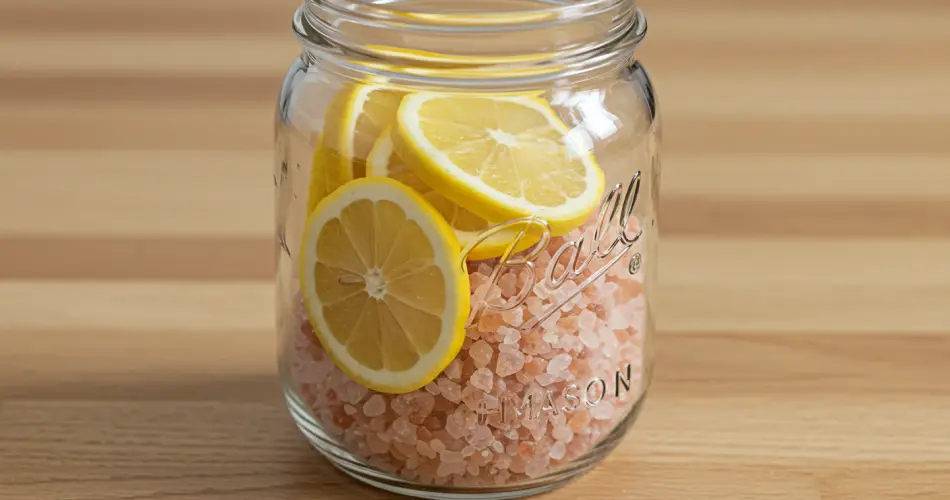
Every household faces small but frustrating problems, and one of the most common is dealing with stubborn stains on clothes. Among the toughest culprits are ink stains, which can appear on school uniforms, office wear, or even casual clothing. Traditional stain removers and commercial products often promise results but may leave your clothes damaged or partially stained, costing time, effort, and money. Surprisingly, a simple, natural solution exists right in your kitchen: a mixture of lemon and salt. This age-old remedy, long used by generations, is effective, inexpensive, and gentle on fabrics.
Why Lemon and Salt Are So Effective
Lemon and salt are two household ingredients with remarkable cleaning and stain-removal properties. Each ingredient brings unique benefits to the table, and when combined, they create a potent, natural stain-fighting duo.
Lemon is celebrated for its antibacterial, antiseptic, and antifungal properties. More importantly for laundry purposes, it has a natural bleaching effect. This means lemon can lighten stains and discolorations without the harsh chemicals found in many commercial products.
Salt, particularly fine salt, is an excellent abrasive and has descaling properties. It works to gently scrub surfaces and fabrics, breaking down stubborn substances like ink or grease. When used in combination with lemon, salt amplifies the stain-fighting effect while being gentle on fabric fibers.
This combination is particularly effective against ink stains, which are among the most challenging to remove. Parents and professionals alike know how ink can persist on clothing even after several washes. The result is often frustration, as repeated attempts with detergents or commercial stain removers may fail and sometimes damage the clothing. Lemon and salt, however, provide a natural, efficient, and fabric-safe alternative.
Why Ink Stains Are So Persistent
Ink stains are difficult to remove because the pigments in the ink bond strongly with fabric fibers. Regular washing often spreads the stain or pushes it deeper into the cloth, making it even harder to eliminate. Many people resort to aggressive scrubbing or multiple chemical products, which can weaken the fabric or fade its colors.
Children’s clothes are especially vulnerable, as ink pens and markers are commonly used and accidents are frequent. Office wear and professional garments are also at risk, particularly when ink leaks from pens or during meetings. In these cases, a quick and reliable home solution is invaluable.
How to Prepare the Lemon and Salt Paste
Creating a lemon and salt paste is straightforward and requires only two ingredients: fresh lemon juice and fine salt. Here’s the step-by-step process:
-
Squeeze fresh lemon juice: Start with about one teaspoon of lemon juice. Fresh lemon juice is preferred for its higher concentration of natural acids and bleaching power.
-
Add fine salt: Combine the lemon juice with a small amount of fine salt, enough to create a thick, spreadable paste. Stir thoroughly until the mixture is uniform.
This simple paste is now ready to tackle ink stains effectively.
How to Apply Lemon and Salt to Ink Stains
Applying the lemon and salt mixture correctly is key to achieving the best results without damaging the fabric. Follow these steps:
-
Place the stained area on a flat surface: This ensures that the paste stays on the stain and does not spread to other parts of the garment.
-
Apply the paste directly to the stain: Cover the entire ink spot generously with the lemon and salt mixture.
-
Gently scrub with a soft brush: Use a toothbrush with soft bristles or a small cleaning brush to rub the paste into the stain. The salt acts as a natural scrub, while the lemon works to bleach and lift the ink.
-
Let it sit: Allow the mixture to act on the stain for a few minutes. For particularly stubborn stains, leaving it for a longer period can enhance effectiveness.
-
Wash as usual: After treatment, wash the garment according to the fabric’s care instructions. Check the stain before drying, as heat can set any remaining ink.
Tips for Best Results
-
Repeat if necessary: For very intense ink stains, you can repeat the application multiple times. Each treatment gradually breaks down the ink without harming the fabric.
-
Test on a hidden area: Before applying the paste to a visible section, test it on an inconspicuous area to ensure it doesn’t alter the color or texture of the fabric.
-
Use fresh ingredients: Fresh lemon juice is more effective than bottled juice due to its higher acid content. Fine salt ensures even application and prevents scratching delicate fabrics.
Advantages of This Natural Remedy
-
Cost-effective: Lemon and salt are inexpensive and readily available in every household.
-
Safe for fabrics: Unlike some commercial stain removers, this paste doesn’t contain harsh chemicals that can weaken fibers.
-
Environmentally friendly: Using natural ingredients reduces chemical runoff and environmental impact.
-
Versatile: This paste can also be used for other stubborn stains, such as sweat marks, light rust stains, or mild discoloration on white fabrics.
Conclusion
Lemon and salt form a powerful yet simple solution for one of the most common household laundry problems: ink stains. This traditional method is not only effective but also gentle on clothes, cost-effective, and eco-friendly. By combining the bleaching power of lemon with the scrubbing effect of salt, you can restore garments to their original state without relying on harsh chemical products.
Whether you are a parent dealing with children’s school uniforms, a professional cleaning your work clothes, or simply someone who wants a natural laundry solution, this remedy offers a practical and reliable way to tackle stubborn ink stains. Next time you face an ink mishap, reach for the lemon and salt in your kitchen—you may be surprised at how well these simple ingredients work.
This method is a reminder that sometimes the best solutions are those we already have at home, waiting to make our daily chores easier, safer, and more effective.