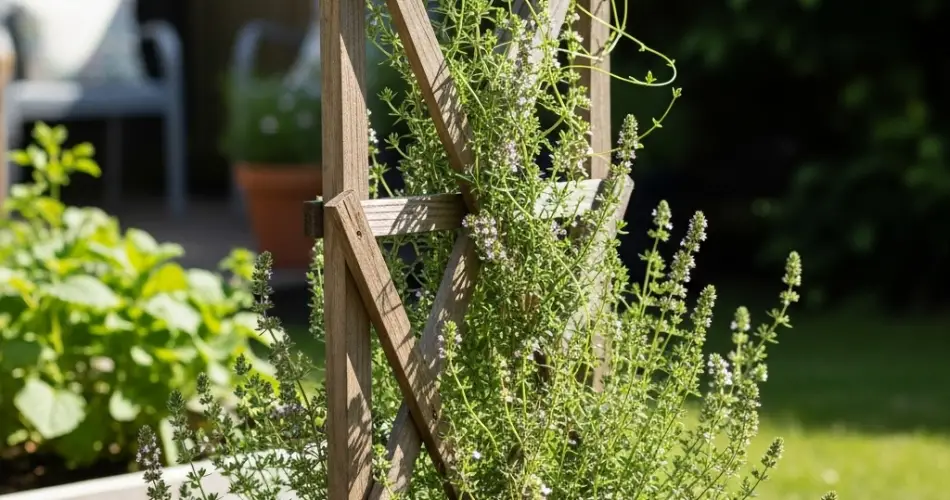
Balcony gardens are becoming increasingly popular as more people embrace urban living while still craving a touch of greenery. Among the most rewarding plants to grow in these compact spaces are herbs, which provide both beauty and practicality. Fresh basil, mint, thyme, and rosemary not only enhance recipes but also bring fragrance and charm to the home. One creative way to maximize balcony space is by using rustic wooden lattices, which combine functionality with aesthetic appeal. These structures turn plain walls into thriving vertical gardens, making balcony herb cultivation more efficient and enjoyable.
Why Choose Wooden Lattices for Herbs?
Wooden lattices offer both strength and natural style. Unlike metal or plastic supports, rustic wood blends seamlessly with the organic beauty of herbs. Lattices are also lightweight, easy to install, and versatile in design. Here are some key benefits:
-
Space-Saving Design: Vertical growing allows you to expand your herb collection without cluttering limited floor space.
-
Better Airflow: Elevating pots or trailing herbs ensures good circulation, reducing the risk of mildew or fungal problems.
-
Improved Sun Exposure: Herbs arranged on a lattice receive more even sunlight compared to crowded pots on the floor.
-
Rustic Aesthetic: The natural wood grain adds warmth and character to balcony spaces, turning them into inviting retreats.
Whether you prefer a country-inspired garden or a more minimalist setup, wooden lattices provide a timeless look that suits any style.
Setting Up a Wooden Lattice on Your Balcony
Creating a rustic herb garden on a lattice doesn’t require much effort. With the right setup, your balcony can be transformed into a fragrant wall of greenery.
-
Choose the Right Lattice: Opt for rot-resistant wood such as cedar or redwood, which withstands outdoor conditions. Prefabricated wooden lattice panels are widely available and can be cut to fit your balcony wall.
-
Secure the Structure: Anchor the lattice to a sturdy wall, balcony railing, or freestanding frame. Ensure it can hold the combined weight of pots, planters, and herbs.
-
Add Containers: Attach small planters, hanging pots, or fabric grow pockets directly onto the lattice using hooks or brackets. For trailing herbs like thyme or oregano, place containers higher up to let foliage cascade naturally.
-
Plan the Layout: Arrange herbs based on their light and water needs. Sun-loving herbs like basil and rosemary should be placed in the brightest spots, while shade-tolerant mint can be positioned lower.
This setup not only saves space but also creates a vertical herb display that’s both practical and decorative.
Best Herbs for Lattice Gardens
Almost any herb can be grown on a balcony lattice, but some thrive particularly well in this setup:
-
Basil: Loves sunshine and grows quickly in containers.
-
Mint: Spreads aggressively, making lattice planters ideal for containment.
-
Thyme: Compact and trailing, perfect for cascading down the structure.
-
Rosemary: Woody stems give structure while providing aromatic foliage.
-
Parsley: Easy to grow and adds lush greenery.
-
Chives: Upright growth habit fits neatly into small containers.
Mixing these herbs creates a dynamic vertical garden that’s both flavorful and visually appealing.
Care Tips for Balcony Herb Gardens
Balcony herb gardens require consistent care, especially when grown vertically. Follow these tips for success:
-
Sunlight: Most herbs need 6–8 hours of sunlight daily. Adjust the lattice position or rotate containers to ensure even exposure.
-
Watering: Containers dry out quickly, especially in warm weather. Check soil moisture often and water when the top inch feels dry.
-
Soil and Fertilizer: Use high-quality potting soil with good drainage. Fertilize lightly with an organic blend to keep herbs flavorful without overfeeding.
-
Pruning: Regularly pinch or harvest herbs to encourage new growth and prevent plants from becoming leggy.
-
Seasonal Adjustments: Move delicate herbs indoors during winter or cover them with protective fabric if temperatures drop significantly.
With attentive care, your herbs will thrive year-round and provide a continuous supply of fresh ingredients.
Enhancing the Rustic Look
One of the charms of using wooden lattices is the ability to personalize them. To highlight the rustic theme, you can:
-
Stain or Weather the Wood: Enhance the natural grain with eco-friendly wood stains or allow the lattice to age naturally for a weathered look.
-
Add Decorative Elements: Incorporate small lanterns, fairy lights, or hanging baskets to create a cozy atmosphere.
-
Combine with Flowers: Mix herbs with edible flowers like nasturtiums or calendula for added color and visual appeal.
These touches transform a practical growing structure into a charming focal point of your balcony.
Conclusion
Rustic wooden lattices offer a perfect solution for gardeners looking to maximize their balcony space while cultivating a variety of fresh herbs. They combine the natural beauty of wood with the practicality of vertical gardening, allowing herbs to thrive in compact environments. With careful planning, regular care, and a touch of creativity, a plain balcony can be turned into a lush, fragrant retreat filled with basil, mint, rosemary, and more.
Whether you’re an experienced gardener or just beginning, wooden lattices make herb gardening simple, space-efficient, and undeniably beautiful. With every harvest, you’ll not only enjoy fresh flavors in your cooking but also the satisfaction of tending a garden that’s as rustic as it is rewarding.


