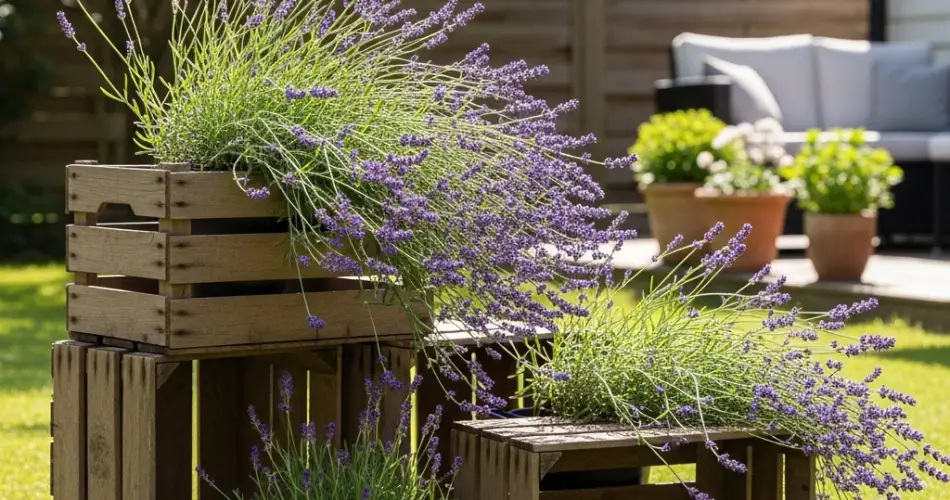
Lavender is celebrated for its fragrant aroma, beautiful purple blooms, and versatile uses in cooking, crafts, and home décor. Its calming scent and delicate flowers make it a favorite choice for home gardeners, whether in large beds or small container gardens. One of the most charming and practical ways to grow lavender is in rustic wooden crate planters. This method not only contains the plant and promotes healthy growth but also adds aesthetic appeal to your backyard, patio, or balcony.
Crate gardening allows gardeners to create organized, functional, and visually attractive herb and flower arrangements. Using decorative crates for lavender combines rustic charm with practicality, making it accessible for beginners and rewarding for seasoned gardeners.
Why Grow Lavender in Crates
Lavender thrives in well-draining soil and requires full sun to flourish, which makes it ideal for container gardening. Crates offer several advantages:
-
Portability: Move the crates to maximize sun exposure or protect plants during extreme weather.
-
Soil Control: You can create a soil mix tailored for lavender’s needs.
-
Drainage Management: Crates make it easy to ensure excess water drains properly, preventing root rot.
-
Visual Appeal: Wooden crates add rustic charm, creating an attractive feature in your garden.
By growing lavender in crates, you can maintain healthy plants, manage spacing, and add decorative appeal to your outdoor spaces.
Choosing the Right Crate
The selection of the crate is crucial for the health and aesthetics of your lavender garden.
Depth and Size
Lavender has a deep root system, so choose crates that are at least 12–15 inches deep. Wider crates allow multiple plants to grow side by side, giving each plant adequate space and airflow.
Material
Use untreated, food-safe wood to avoid chemical leaching into the soil. Reclaimed wine crates, fruit boxes, or handcrafted wooden planters work beautifully and contribute to a rustic look.
Drainage
Drill multiple holes in the bottom of each crate to prevent waterlogging. Line the interior with landscape fabric or burlap to retain soil while allowing proper drainage.
Preparing the Soil
Lavender prefers a light, sandy, and well-draining soil. An ideal blend for crate planting includes:
-
2 parts quality potting soil
-
1 part coarse sand or perlite for drainage
-
1 part compost for balanced nutrients
This mixture prevents root rot while providing the nutrients lavender needs for healthy foliage and abundant blooms.
Planting Lavender in Crates
Lavender can be started from seeds, cuttings, or nursery plants.
From Seeds
-
Sow seeds ¼ inch deep in the soil mix.
-
Keep the soil lightly moist until germination, which may take 2–4 weeks.
From Cuttings or Nursery Plants
-
Transplant seedlings or rooted cuttings carefully, spacing plants 12–18 inches apart for airflow.
-
Gently firm the soil around the roots to stabilize the plants.
Staggered Planting
For continuous blooms, plant new seedlings every few weeks during the growing season.
Sunlight, Watering, and Feeding
Sunlight
Lavender requires full sun, ideally 6–8 hours of direct light per day. Place your crates in a sunny location to encourage strong growth and fragrant blooms.
Watering
Water lavender moderately, allowing the soil to dry slightly between watering. Overwatering can lead to root rot, so ensure the crate has proper drainage.
Fertilizing
Lavender is not a heavy feeder. A light application of slow-release fertilizer or occasional compost tea will support healthy growth without reducing essential oil concentration.
Maintaining and Pruning Lavender
Pruning is essential for maintaining compact, healthy plants:
-
Trim back spent flowers to encourage new growth and prevent legginess.
-
Remove dead or damaged stems to improve airflow and plant appearance.
-
After flowering, lightly prune to shape the plant and maintain size.
Proper pruning helps maintain plant vigor and promotes a long-lasting, attractive lavender display.
Harvesting Lavender
Lavender can be harvested once the flower spikes fully open:
-
Cut stems in the morning for the strongest fragrance.
-
Use fresh for aromatherapy, crafts, or culinary purposes, or dry them for long-term use.
-
Dried lavender retains color and scent when stored in a cool, dark, and dry location.
Styling Your Lavender Crate Garden
Lavender’s silvery-green foliage and purple blooms make it a standout feature in any garden. Consider these styling tips:
-
Combine with other herbs like rosemary or thyme for a Mediterranean-themed crate garden.
-
Arrange crates at different heights to create a layered, visually appealing display.
-
Personalize crates with paint, stencils, or natural finishes to enhance rustic charm.
A decorative crate garden is both functional and aesthetically pleasing, providing easy access to lavender for harvesting while enhancing your outdoor space.
Final Thoughts
Growing lavender in decorative wooden crates is a simple, rewarding, and visually appealing gardening project. With proper soil, sunlight, water management, and pruning, you can enjoy abundant fragrant blooms and healthy foliage throughout the growing season.
Crate gardening is an excellent solution for gardeners with limited space, allowing even small backyards or patios to become productive, aromatic, and decorative herb gardens. Rustic crate planters transform lavender cultivation into a charming and practical feature, ensuring that fragrant flowers are always within reach.


