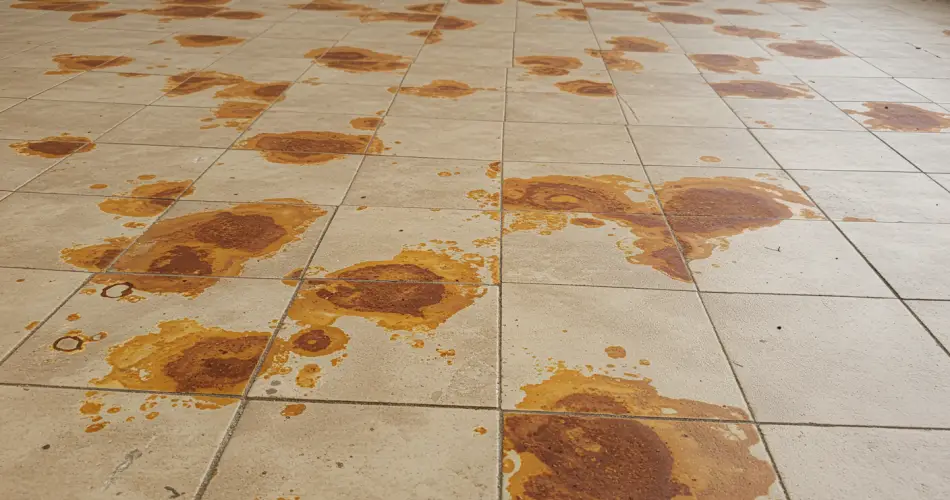
Rust stains are among the most stubborn and frustrating household problems. They can appear on floors, tiles, plastic surfaces, and various household items, often forming quickly after a metal object has been left in contact with moisture or other reactive surfaces. As soon as you notice a rust stain, it can feel like an overwhelming challenge to remove it. Many people resort to purchasing expensive commercial rust removers, scrubbing for hours, and often seeing little to no improvement. The good news is that natural, readily available ingredients can eliminate rust stains effectively, safely, and inexpensively.
Why Rust Forms and How to Prevent It
Rust is caused by the oxidation of iron when it comes into contact with water and oxygen. This reaction creates reddish-brown stains that adhere firmly to surfaces. Common causes of rust stains in households include:
-
Leaving metal cans, tools, or utensils on countertops, floors, or tiles for an extended period.
-
Spilled liquids containing iron or mineral deposits settling on surfaces.
-
Moist environments that accelerate corrosion on metal objects.
Prevention is always the first step. Avoid leaving metal objects in contact with surfaces for prolonged periods, promptly clean up spills, and ensure proper ventilation in damp areas to reduce the risk of rust formation.
Natural Remedies for Rust Stains
Instead of immediately reaching for chemical-based rust removers, several natural ingredients can be highly effective. Many of these are likely already in your kitchen and are safe for daily use.
1. Lemon and Salt Method
Lemon juice, combined with salt, is one of the most effective natural remedies for rust. The acid in the lemon reacts with the iron oxide in the rust, while the salt acts as a gentle abrasive to lift the stain from the surface.
How to use:
-
Cut a fresh lemon in half.
-
Sprinkle a generous amount of salt on the exposed flesh of the lemon.
-
Rub the lemon directly onto the rust stain, applying enough pressure to work the juice and salt into the stain.
-
After scrubbing, use a sponge to further loosen and remove the rust.
-
Rinse the area with water to remove any residue.
This method works well on a variety of surfaces, including floors, tiles, and even some plastics. For tougher stains, reapply lemon juice and salt and allow it to sit for a few minutes before scrubbing again.
2. White Vinegar
White vinegar is another excellent natural solution for rust removal. Its acetic acid content breaks down the iron oxide, making it easier to scrub away.
How to use:
-
Soak a cloth or sponge in pure white vinegar.
-
Apply the vinegar directly to the rust stain and gently scrub.
-
For more stubborn stains, allow the vinegar to sit for several hours or overnight before rinsing with warm water.
Vinegar works more gradually than lemon juice, so repeated applications may be necessary. However, it is particularly effective for older, more set-in rust stains.
3. Baking Soda Paste
Baking soda is a mild abrasive that can help remove rust stains without damaging most surfaces. It is especially useful when lemon or vinegar alone are not sufficient.
How to use:
-
Mix baking soda with a small amount of water to create a thick paste.
-
Apply the paste directly to the rust stain.
-
Scrub gently with a sponge or cloth, then let it sit for several minutes.
-
Rinse thoroughly with warm water and mild soap.
For delicate surfaces, such as marble or polished stone, avoid harsh scrubbing. Instead, create a gentle paste with fine table salt and water, apply it to the stain, and leave it to work for a few hours or overnight before rinsing.
Advantages of Natural Rust Removal
Natural remedies offer multiple benefits over chemical-based products:
-
Safe for household use: They are non-toxic and environmentally friendly, reducing exposure to harmful chemicals.
-
Economical: Ingredients like lemon, salt, vinegar, and baking soda are inexpensive and usually already in your kitchen.
-
Versatile: These natural solutions can be used on a wide range of surfaces, from tiles and floors to plastic and metal objects.
-
Effective: When applied correctly, they can remove most rust stains quickly and efficiently.
When to Use Chemical Rust Removers
While natural methods work for the majority of household rust stains, there are situations where commercial chemical rust removers may be necessary. Extremely stubborn, deep-set stains or those on surfaces that are particularly resistant may require specialized chemicals designed to dissolve rust.
However, whenever possible, using natural methods first is recommended. Not only are they safer and eco-friendly, but they also avoid exposing your household surfaces to harsh chemicals that could cause discoloration or damage over time.
Tips for Best Results
-
Always test any rust removal method on a small, inconspicuous area first, especially on delicate surfaces.
-
For repeated or widespread rust stains, consistency is key. Regular maintenance and immediate cleaning of spills can prevent rust from forming.
-
Combine scrubbing with soaking for more stubborn stains to maximize effectiveness.
-
Use protective gloves when scrubbing to protect your skin from prolonged contact with acidic solutions.
Conclusion
Rust stains are a common household nuisance, but they don’t have to be permanent or damaging. With simple ingredients like lemon, salt, white vinegar, and baking soda, you can effectively tackle rust stains on floors, tiles, plastics, and other surfaces. These natural solutions are not only effective but also safe, eco-friendly, and budget-conscious.
By understanding why rust forms and taking a proactive approach to its removal, you can maintain clean, pristine surfaces in your home without relying heavily on harsh chemical cleaners. For most rust problems, nature provides all the tools you need.