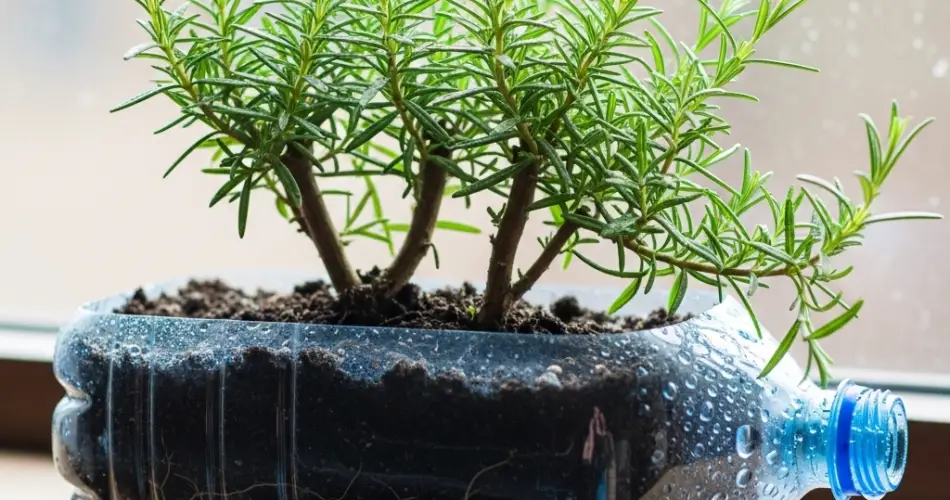
Rosemary is a fragrant, hardy herb prized for its culinary uses, medicinal properties, and ornamental appeal. Whether you are seasoning dishes or growing an aromatic garden, propagating rosemary is a practical way to expand your herb collection. One simple, eco-friendly method is to use recycled plastic bottles to root cuttings. This approach is sustainable, cost-effective, and perfect for small spaces, balconies, or urban gardens. This guide provides detailed tips for successfully propagating rosemary cuttings in plastic bottles.
Why Propagate Rosemary from Cuttings
Propagating rosemary from cuttings offers several advantages over starting from seeds:
-
Faster Growth: Cuttings root more quickly than seeds, allowing for faster plant development.
-
Genetic Consistency: Plants grown from cuttings maintain the same flavor, aroma, and growth characteristics as the parent plant.
-
Cost-Effective: Using cuttings eliminates the need to purchase new seedlings.
-
Eco-Friendly: Recycled plastic bottles reduce waste while providing a controlled rooting environment.
This method is ideal for gardeners with limited space or anyone looking to multiply their rosemary plants sustainably.
Selecting Healthy Rosemary Cuttings
The first step is to select healthy stems from an established rosemary plant. Look for semi-hardwood stems—partially mature but still flexible. Each cutting should be approximately 4–6 inches long, with several sets of leaves. Avoid woody or damaged stems, as these are less likely to root successfully.
Remove the lower leaves from the cutting, leaving 2–3 sets of leaves at the top. Exposing the nodes where leaves were removed allows roots to form more efficiently. Optionally, dipping the cut end in rooting hormone can improve the success rate, though rosemary often roots well without it.
Preparing Plastic Bottles for Propagation
Select a clear plastic bottle, ideally 500 ml to 1 liter, as it allows you to monitor root growth and water levels. Follow these steps to prepare the bottle:
-
Cut the bottle horizontally in half or create a flap to insert the cutting.
-
If using soil, poke small drainage holes in the bottom half. If rooting in water, leave it as a water propagation setup.
-
Fill the bottom half with either water or a small amount of well-draining soil.
Plastic bottles create a mini-greenhouse effect, retaining moisture while allowing light to reach the cutting. This environment encourages faster and healthier root development.
Water Propagation
Water propagation is a simple and effective method for rooting rosemary cuttings:
-
Place the cutting in the bottle so the bottom nodes are submerged in water, avoiding direct contact with leaves.
-
Position the bottle in bright, indirect sunlight to prevent overheating.
-
Change the water every few days to prevent stagnation and encourage healthy root growth.
Within 2–4 weeks, small white roots should appear. Once roots are around 2 inches long, the cutting is ready to be transplanted into soil.
Soil-Based Propagation
Rosemary can also be propagated directly in soil using a plastic bottle as a mini-greenhouse:
-
Fill the bottom half of the bottle with a well-draining potting mix or a mixture of sand and compost.
-
Insert the cutting into the soil, ensuring it is stable.
-
Cover the cutting with the top half of the bottle to maintain humidity.
-
Keep the soil lightly moist, avoiding overwatering.
Roots typically develop in 3–6 weeks. Once the cutting is well-established, transplant it into a larger pot or garden bed.
Caring for Newly Rooted Cuttings
Newly rooted rosemary cuttings require attention during the first few weeks:
-
Light: Place plants in bright, indirect sunlight, gradually introducing them to full sun as they strengthen.
-
Water: Maintain consistent moisture without waterlogging.
-
Temperature: Keep cuttings in moderate temperatures between 65–75°F (18–24°C).
-
Fertilizer: Use a diluted, balanced fertilizer after roots develop to promote healthy growth.
Benefits of Plastic Bottle Propagation
-
Reduces plastic waste by repurposing bottles
-
Provides a controlled, humid environment for rooting
-
Cost-effective and accessible for all gardeners
-
Ideal for small spaces and urban gardening
-
Easy to monitor root development and growth progress
Final Thoughts
Propagating rosemary in plastic bottles is a practical, sustainable, and rewarding method for growing new plants. By selecting healthy cuttings, preparing bottles properly, and maintaining consistent care, gardeners can expand their rosemary collection efficiently. This approach is ideal for small-space gardening, balconies, and eco-conscious growers. With patience and proper care, bottle-propagated rosemary cuttings will grow into healthy, flavorful plants ready to enhance both your kitchen and your garden.


