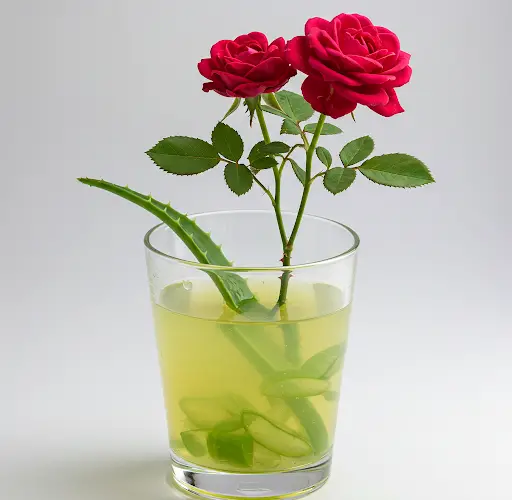
Growing roses from cuttings is a rewarding and cost-effective way to expand your garden, but sometimes getting the cuttings to root can be tricky. Many gardeners use commercial rooting hormones, but there’s a natural and surprisingly effective alternative that can help your roses thrive: aloe vera juice.
Aloe vera is widely known for its healing and moisturizing properties for skin, but it also works wonders for plant propagation. Aloe vera contains natural hormones, antioxidants, and enzymes that boost the rooting process, promote faster growth, and improve the overall health of your rose cuttings.
In this article, we’ll explore how aloe vera juice can transform your rose propagation efforts and how to use it to grow healthy, vibrant roses.
Why Aloe Vera Juice Works for Rose Cuttings
Aloe vera is packed with beneficial compounds that make it an excellent natural rooting agent for rose cuttings. Here are some reasons why aloe vera juice is so effective:
-
Auxins and Gibberellins: These are natural growth hormones found in aloe vera that promote the formation of roots in plant cuttings. They help stimulate cell division and elongation, encouraging the cutting to develop a robust root system.
-
Antioxidants: Aloe vera is rich in antioxidants, which help protect the cutting from damage and stress, keeping it healthy as it establishes roots.
-
Amino acids and enzymes: Aloe contains a variety of amino acids and enzymes that aid in the healing and growth of plant tissues, making it easier for cuttings to form strong roots.
-
Antimicrobial properties: Aloe vera also has natural antibacterial and antifungal properties, helping to protect the cutting from harmful pathogens that can lead to rot.
Using aloe vera juice on your rose cuttings provides a gentle, chemical-free way to boost rooting success and promote healthy growth.
What You’ll Need
-
Fresh aloe vera gel or juice (from a leaf or store-bought)
-
Healthy rose cutting (6-8 inches long)
-
A clean, sharp knife or pruning shears
-
A small container or bowl
-
Potting soil or a soil-sand mix for planting
-
A small pot or container with drainage
-
Clear plastic bag or dome (optional for humidity)
Step-by-Step Guide to Propagating Roses with Aloe Vera Juice
Step 1: Prepare the Aloe Vera Juice
If you have an aloe vera plant at home, cut a fresh leaf from the plant and carefully extract the gel inside. If you prefer, you can also use store-bought aloe vera juice, but make sure it’s 100% pure, with no added chemicals or preservatives.
Once you have the gel or juice, pour it into a clean container or bowl, ready for use.
Step 2: Prepare the Rose Cuttings
Choose a healthy, non-flowering rose stem and cut it into 6–8 inch pieces. Make the cut just below a leaf node (where leaves meet the stem). Remove all flowers and most leaves from the lower half of the cutting, leaving just 1-2 leaves at the top.
To increase the chances of rooting, make a small diagonal cut at the bottom of the stem. This will help expose more surface area to absorb the aloe vera juice.
Step 3: Soak the Cuttings in Aloe Vera Juice
Dip the base of the rose cutting into the aloe vera juice or gel, ensuring the cut end is completely submerged. You can also use a brush to apply the aloe vera gel directly to the cut area. Allow the cutting to soak in the aloe vera juice for around 1–2 hours. This gives the cutting enough time to absorb the natural rooting hormones and other nutrients from the aloe vera.
Step 4: Plant the Cuttings
After soaking, take the cutting and plant it into a small pot filled with a well-draining potting mix or a combination of soil and sand. Make a hole in the soil using a stick or pencil, and gently place the cutting into the hole. Firm the soil around the base to ensure the cutting is secure.
It’s important to plant the cutting deeply enough so that it remains upright but not so deep that the cutting’s upper leaves touch the soil.
Step 5: Create a Humid Environment
Rose cuttings need high humidity to root successfully. To create a greenhouse effect, cover the pot with a clear plastic bag or a plastic dome. This will help retain moisture and create the ideal humidity level for rooting. Make sure the cover doesn’t touch the cutting to avoid moisture buildup on the leaves.
Place the pot in a location with indirect sunlight, as direct sunlight can scorch the cutting or cause it to dry out too quickly.
Ongoing Care and Monitoring
Once your rose cutting is planted, regular care is important for its successful rooting and growth:
-
Check humidity levels: Ensure the plastic cover stays intact and the humidity remains high. Open the cover occasionally to allow fresh air circulation and avoid mold.
-
Watering: Keep the soil moist but not soggy. Overwatering can lead to rot, while underwatering can cause the cutting to dry out.
-
Temperature: Rose cuttings generally prefer temperatures between 65°F and 75°F (18°C–24°C) during the rooting process.
-
Rooting time: Most rose cuttings will begin to root within 2–3 weeks. You can test by gently tugging on the cutting. If it resists, it means roots have formed.
Transplanting and Growth
Once your rose cuttings have developed a healthy root system (usually after 4–6 weeks), you can transplant them into a larger pot or into the garden. Be sure to harden off the plant gradually by exposing it to outdoor conditions for a few hours each day.
Continue to care for the new rose plant by providing it with proper sunlight, regular watering, and occasional fertilizing. Over time, your propagated roses will grow into strong, beautiful plants that bloom year after year.
Final Thoughts
Aloe vera juice is an incredible, natural tool for propagating rose cuttings. By utilizing its growth-promoting properties, you can enhance the rooting process and encourage your roses to thrive. This method is simple, chemical-free, and highly effective—perfect for gardeners looking for an eco-friendly way to propagate their roses.
Give it a try and watch your rose cuttings take root and flourish with the power of aloe vera!


